Tree work for Belle Chasse conditions
Belle Chasse properties combine suburban lots, commercial sites, rural edges and hurricane exposure. Narrow roads, drainage, soft ground and distance to debris destinations can affect the work plan just as much as tree size.
Belle Chasse gates, ditches and long-access properties
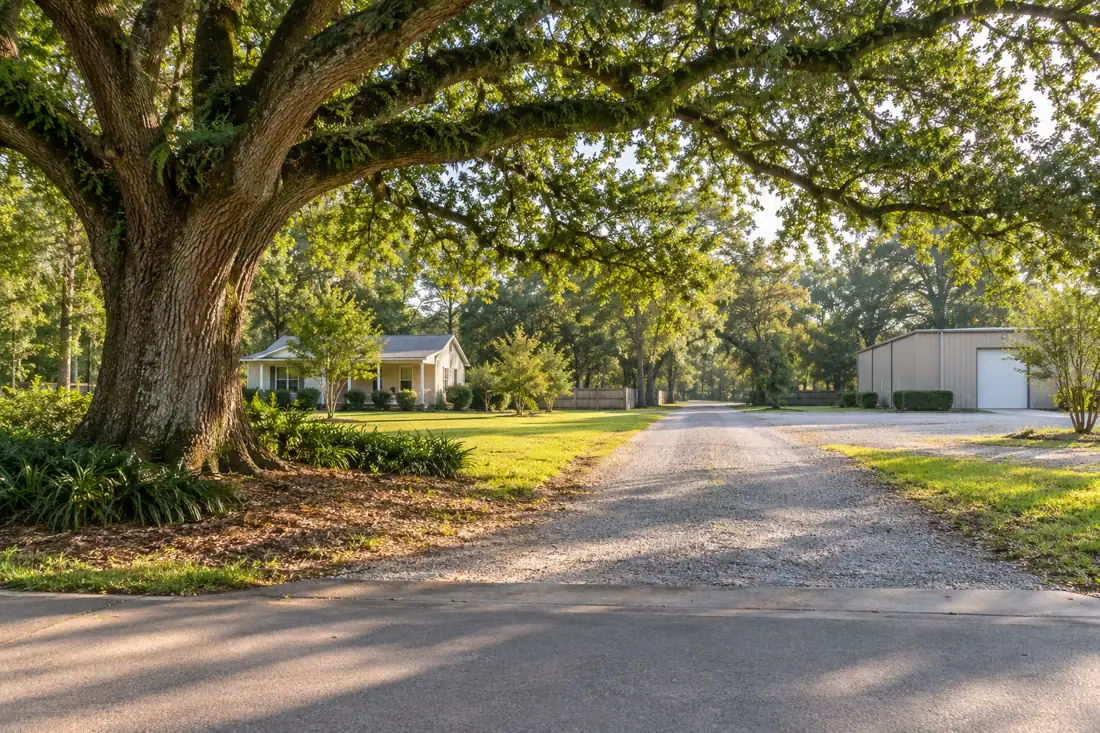
Belle Chasse properties can involve extended driveways, gated access and drainage crossings. A useful site description begins at the road and follows the actual path to the tree. Report gate openings, turns, bridges or culverts, slopes and locations that get soft after rain. Do not assume a machine can cross a ditch or travel over a buried pipe simply because a pickup truck can reach the property.
For trees near a home, barn, fence or overhead service line, send wide photographs showing how the tree relates to each structure. Keep the camera operator outside any area beneath compromised limbs. If a tree has leaned farther after a storm or its root plate has lifted, the request should lead with that change and keep people away until a competent inspection. No photograph can certify the tree’s stability.
Before approving work, separate the tree operation from the desired ground finish. Ask whether logs, brush and grindings remain, are stacked or are hauled away; identify where trucks can turn and whether a gate must stay usable. A good estimate makes those practical choices explicit, without relying on an unsupported fixed cost per foot of tree height.
Tree Huggers handles routine residential work as well as larger removals, storm scopes and equipment-heavy projects. Estimates consider access, targets, debris handling and stump work before the job is scheduled.
Give the work address and the usable entrance
Start with the full Belle Chasse work address and explain how the relevant part of the property is reached. If a site has a long drive, several gates or a separate service entrance, identify the one connected to the tree task. A mailing address may introduce the location without showing where equipment and material can practically enter. Provide a current contact who can answer access questions or arrange entry.
State the desired result in ordinary terms: clearance, tree-condition review, removal, stump work or storm cleanup. The services overview helps separate those requests. If several areas are involved, use consistent identifiers and safe photos for each. The company can then discuss the actual work without assuming that every tree along the approach is included merely because it appears in a broad property view.
Describe the ground as it is now
Tell the estimator about known soft areas, standing water, surface damage or changes after recent weather. Include the route beside those conditions, not just a distant image of the tree. Explain whether a photograph shows current conditions or an earlier dry period. A property can offer open space while still raising questions about support, movement and access that need appropriate review before a particular approach is accepted.
Do not test questionable ground with a vehicle to prove that it is usable or conceal a wet area behind a more favorable crop. Share observations and their limits. The equipment guide explains how the tree task, route and setup are considered together. The method should follow the actual review; an earlier contractor’s successful access or an existing track does not guarantee the same operation fits current conditions.

Account for the entire movement of wood
Show where material would travel from the tree to processing or loading. Include gates, turns, surface changes, overhead features and possible setup space. A broad rear area may still depend on a limited entrance or a long route beside retained landscape. Describe those connections rather than supplying only the final open area. The work plan needs a complete path, not several attractive views that do not join up.
If another owner, tenant or shared route is involved, explain the appropriate access arrangements before relying on that space. Do not move material into a public or neighboring area to improve presumed collection access. Ask what approach is being considered and which constraints remain open. A clear route discussion helps the customer understand handling and compare proposals based on the actual property, rather than assuming all open land supports the same machine or loading method.
Keep the trees to retain visible in the plan
Identify retained shade trees, wooded edges and landscape features that matter to the property. Show their relationship to the proposed work route and any future project. Preserving an area should be part of the access and staging conversation, not a note added after equipment positions have been assumed. Explain what you want left in place without claiming a condition assessment from a distant photograph.
The preservation hub provides related questions about retained trees and later site activity. If pruning is the immediate objective, use the trimming page to frame the desired clearance or deadwood work. Keeping a trunk does not resolve every issue associated with later excavation, storage or ground changes around it. Coordinate those decisions with the responsible providers so the tree-work scope and next-phase plan do not quietly contradict each other.
Plan Belle Chasse tree work around drainage and long access routes
Belle Chasse properties can have long entrance drives, low ground, drainage ditches and mature trees beyond the immediate view of the road. Tell the estimator which gate leads to the tree and whether the route changes after rain. A wide photo looking from the entrance toward the tree is often more useful for initial logistics than a tight view of the trunk alone. Include the location of culverts, soft spots, fences and trees that must remain untouched.

Check wet ground and service access before Belle Chasse tree work
Belle Chasse properties may have access and ground conditions that make a tree task less straightforward than it appears from the roadway. Before scheduling, show the proposed route for equipment, any drainage swale or low ground, the location of fences and where brush could be loaded. If ground is saturated, do not assume that a patch of grass can safely support heavy vehicles. The crew must determine suitable staging on the day of work.
Tree limbs that extend toward a neighboring property, utility service or driveway create distinct approval and exclusion-zone questions. Establish who controls access, how close vehicles or pedestrians might pass and whether tree work has to be coordinated around other site activities. If there is an immediate hanging-limb hazard, keep the affected space clear rather than attempting a close inspection or casual cleanup.
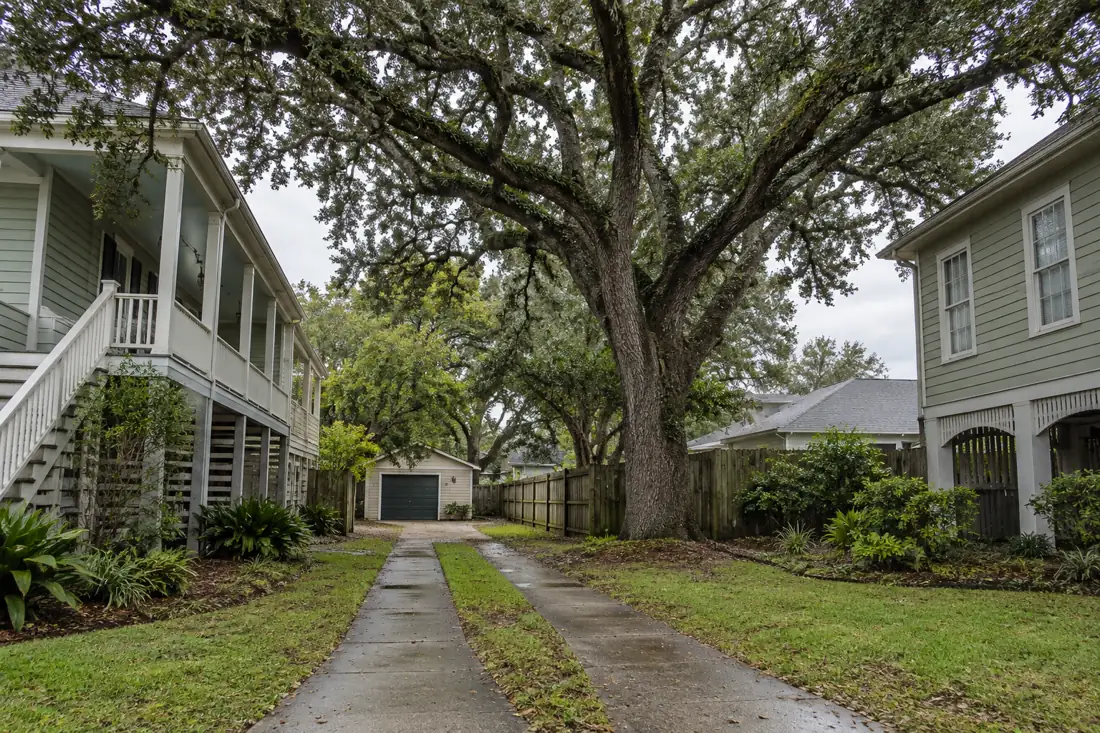
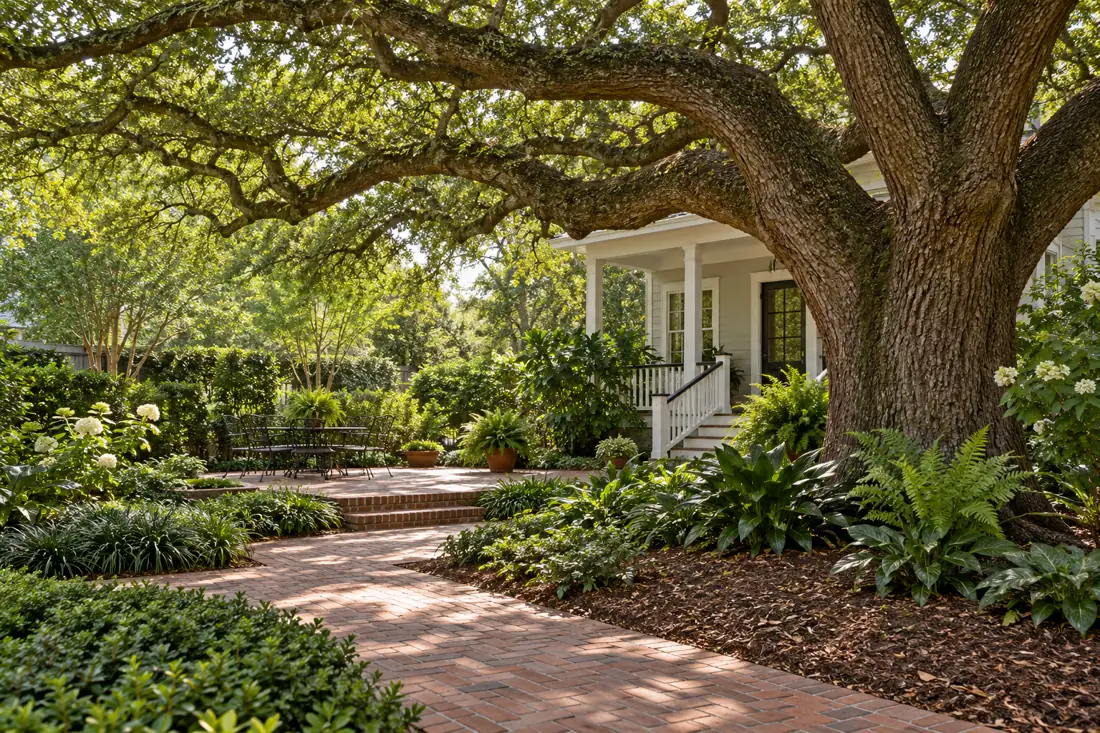
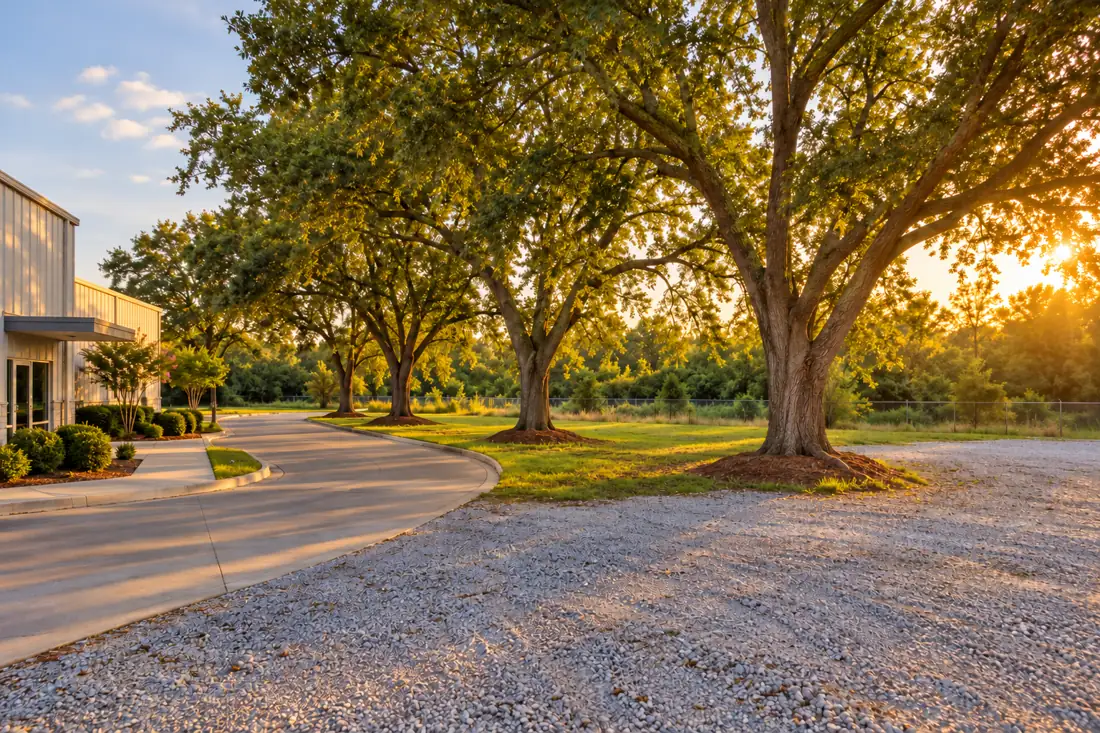
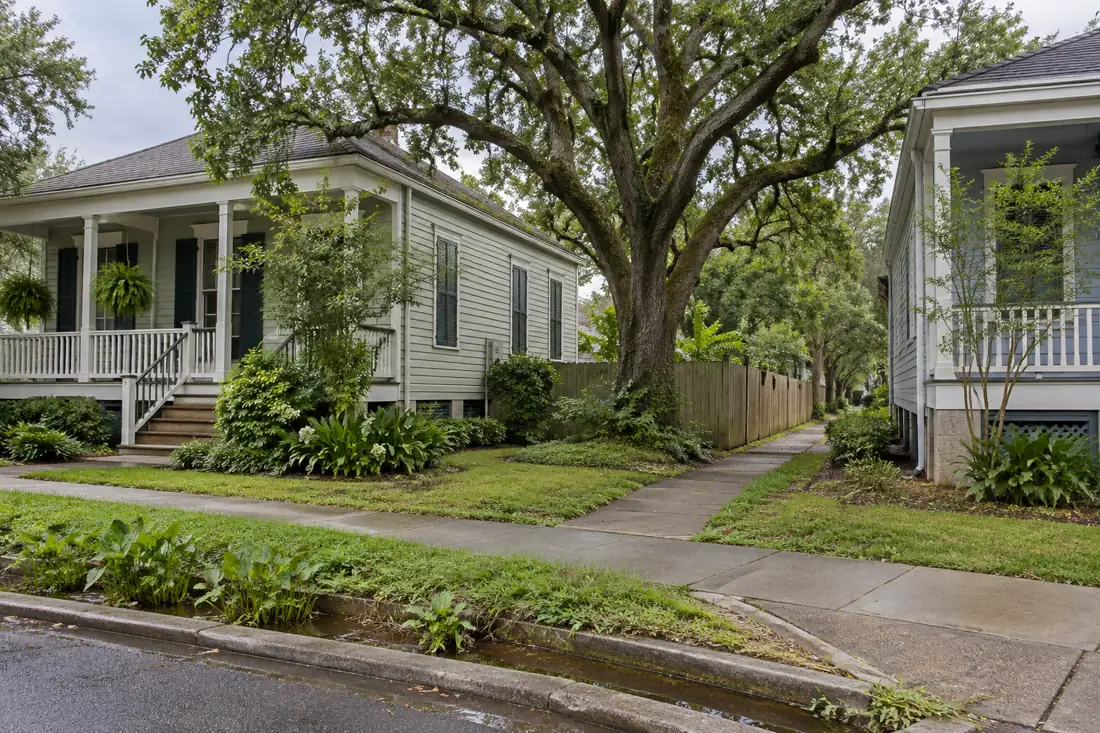
Ask the estimator to describe exactly what pruning, removal, debris handling and ground protection are included. For jobs near a ditch, specify where material can be staged without blocking drainage and whether restoration of affected surfaces is part of the scope. A regional educational photograph can help illustrate these planning issues, but it is not a verified record of tree work on a particular Belle Chasse property.
Ground that supports a passenger vehicle may not be suitable for a loaded tree truck or equipment outriggers. Saturated shoulders, filled ditches and hidden drainage structures create different considerations from a dry paved approach. Provide what you know about the property and let the contractor assess the route, working radius, support needs and alternatives. Do not assume that plywood or mats automatically make soft ground safe or that every piece of equipment can travel through a narrow gate.

Separate the tree decision from the ground-access decision
When deciding whether to prune or remove a tree, begin with its condition and the property targets. A low limb blocking a drive may be a clearance question; a cracked union, newly lifted root area or major storm break may call for a more urgent assessment. Pictures are helpful but cannot establish internal decay or load capacity. Keep clear of unstable trees and avoid entering a damaged area solely to document the problem.
A complete estimate should make clear how cut wood moves from the tree to its collection point, whether logs and brush leave the property and what happens to any stump. For a long property, the travel distance and debris staging area deserve their own discussion. If work is close to a boundary or shared route, identify permission and access issues early rather than treating them as a surprise after equipment arrives.
Make removal a defined tree task
For a tree under consideration for removal, explain the observed concern and intended use of the space. Send safe whole-tree views and surrounding features. The removal service gives broader scope information. A large-looking trunk alone does not establish the handling method or the work involved in moving the crown, logs and brush through the property. Ask which tree and specific tasks the proposal actually includes.
Compare hauling, retained wood, stump condition and the practical final area on the same basis. If a building, fence or landscape project follows, identify the other provider’s role. Do not assume the tree quote includes unrelated repairs or creates a construction-ready site. Explicit tree and stage boundaries are particularly useful when a request spans several areas, because they let the customer approve a coherent first scope without unintentionally authorizing every possible later task.
Decide how stumps connect to future use
Show each stump and the route to it. Explain whether the area is intended for lawn, planting, access or another project. Known buried features and information still needing verification should be raised early. The stump grinding page and planning hub help organize the difference between removing visible wood and agreeing on a usable final surface or handoff.
Ask what happens to grindings, remaining roots and later soil work. Grinding, excavation, backfill, compaction and grading are different operations, not interchangeable versions of one general promise. Where another provider has a specific requirement, obtain it from that responsible party before relying on the tree-work finish. A clear discussion prevents the next stage from assuming underground or surface work has been completed when the accepted task addressed a more limited objective.
Report storm damage separately from routine work
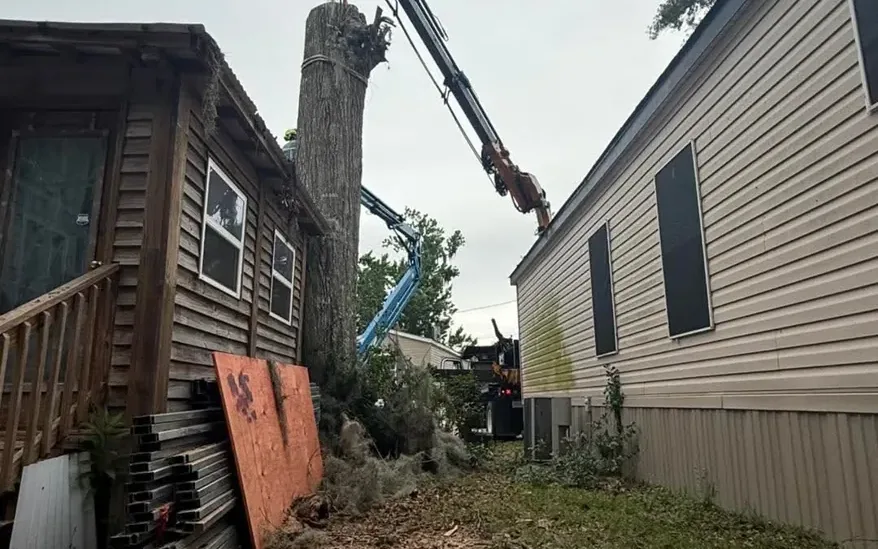
Describe any newly fallen tree, hanging limb, split or changed lean directly when contacting the company. Keep people and pets away from damaged areas. Do not cut, pull or reposition material to prepare the site. Call 504-458-8336 about current urgent tree-work availability; a website request is not confirmed dispatch. Immediate threats to people and electrical involvement require the appropriate emergency or utility service rather than a closer inspection by the customer.
The storm-damage page and fallen-tree service describe related tasks. Explain when images were taken and any later changes to the tree or approach. Storm concerns can affect access elsewhere on the property, so include those relationships. A pile of loose material does not establish the condition of the remaining canopy above it or mean all areas are ready for ordinary loading.
Define material handling before calling it cleanup
List logs, brush, chips, grindings and other tree material to be considered. Say what stays and where it belongs. Disclose mixed fence wire, roofing or non-tree items rather than assuming they are accepted with vegetative debris. The debris service explains that boundary. Processing, hauling and retained wood placement need to be agreed for the actual project; particular firewood lengths or splitting are not automatic.
Ask how the work route and accepted areas will be left. Soil repair, new planting, drainage work and property repairs are separate responsibilities unless expressly included. If several piles or areas have different destinations, keep those distinctions on the list. A recognizable finish lets the customer inspect the result and gives the next contractor an accurate starting point, rather than leaving a broad promise to clean everything to cover several unassigned operations.
Send a brief that reflects the whole property
Include the address, usable entrance, tree or stump identifiers, desired result, safe photos, current ground observations and access restrictions. Name the person who can approve scope and the person arranging entry. Keep private gate details in the agreed direct channel. Ask what information is still needed and what availability is confirmed. A complete request supports the next discussion without treating submission as a booking or a remote site clearance.
For example, a rear removal reached by a long drive may need a separate material plan from a front stump beside the entrance. That is a planning example, not a photographed local project. Review tasks and finish area by area, keeping retained trees and later work visible. The local planning hub offers further guidance after the immediate request has a usable location, scope and point of contact.
Tree Service Belle Chasse questions
What helps with a Belle Chasse tree estimate?
Send the full address, usable entrance, safe photos, task locations, desired result and current access or ground observations.
Is an old dry-weather photo enough to describe access?
Explain its timing and changes since it was taken. Current ground and route conditions need to be discussed honestly.
Does open space guarantee equipment can work there?
No. The complete route, setup, support, tree task and restrictions still require review.
Should I test soft ground with my vehicle?
Do not create a test operation to prove access. Share safe observations and let the appropriate review determine the approach.
Can retained trees be part of the access plan?
Yes. Identify valued trees and landscape areas before routes, staging and later site activities are assumed.
What should a removal scope identify?
Name the accepted tree, handling, material disposition, stump decision and practical completion boundary.
Does stump grinding include grading or construction preparation?
Not automatically. Clarify the task and obtain any next-phase requirements from the responsible provider.
What if wires or immediate threats are involved?
Keep clear and contact the appropriate utility or emergency service. Call Tree Huggers about current tree-work availability separately.
Can storm concerns affect an otherwise routine visit?
Yes. Report changed trees, suspended material and blocked routes directly so the actual condition is understood.
What if I want logs left on the property?
Discuss retained material, processing and placement before acceptance. Particular lengths or splitting are not implied.
Is mixed building debris accepted with tree material?
Disclose it separately and confirm handling boundaries; another arrangement or provider may be needed.
Does a complete form confirm a scheduled visit?
No. Confirm the next step and availability directly, with an authorized scope and access contact.
Let’s plan your tree work.
Send the property address, safe tree photos and the result you need. Include access restrictions and the person who can approve the work.