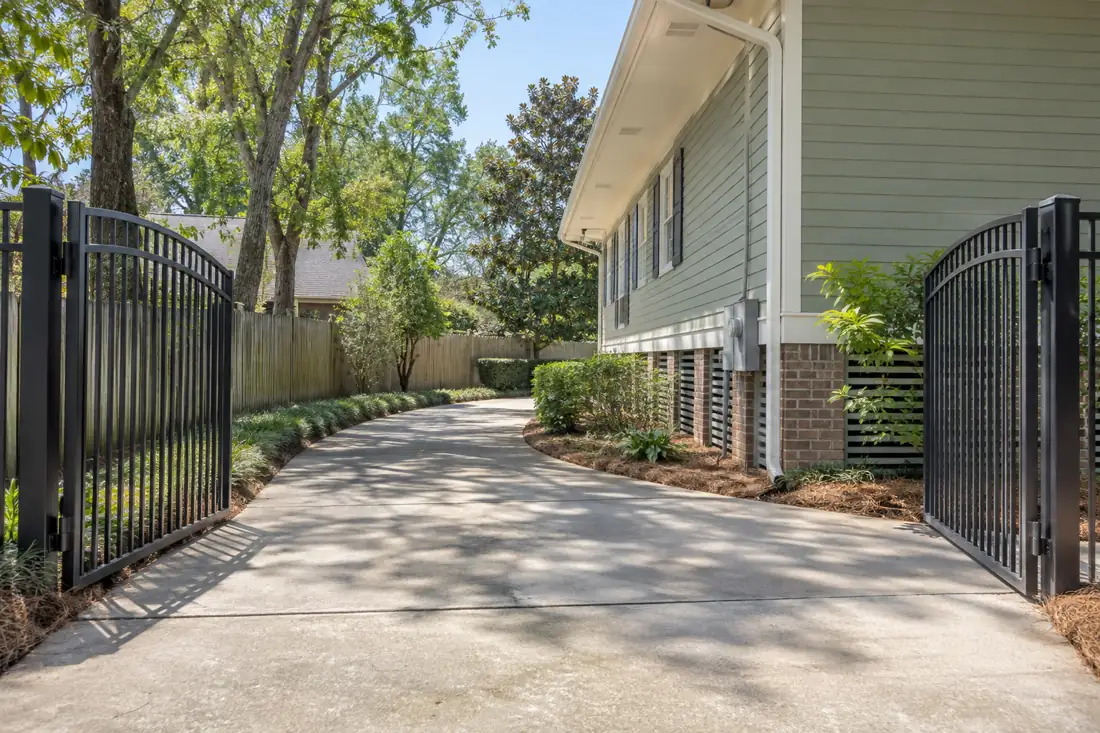
Low branches along the approach can restrict equipment access before the main tree is reached. Identify the complete route and any trees that must remain. The contractor should assess whether preliminary clearance is appropriate and include it in the scope. Avoid assuming the equipment can simply push through a narrow canopy.
Practical scope and safety guidance: Low canopy clearance is not simply a gate-width measurement. Follow the route from the street through every turn, dip and raised surface to the proposed setup point. Note hanging branches, roof eaves, service cables and signs at the height the machine would actually pass. Equipment that fits while traveling straight may not clear a low limb when turning or hauling sections out. Ask whether any access pruning would change a tree intended to remain; it must be evaluated and included in the authorized scope rather than treated as free clearance.
Smaller equipment or a different rigging method may reduce the approach footprint but could change time, exclusion areas or material handling. Document the final debris route and protection around irrigation and paving. If the first inspection is only photographic, mark vertical clearance as unverified until the contractor checks it onsite. Avoid promising a particular machine before that check.
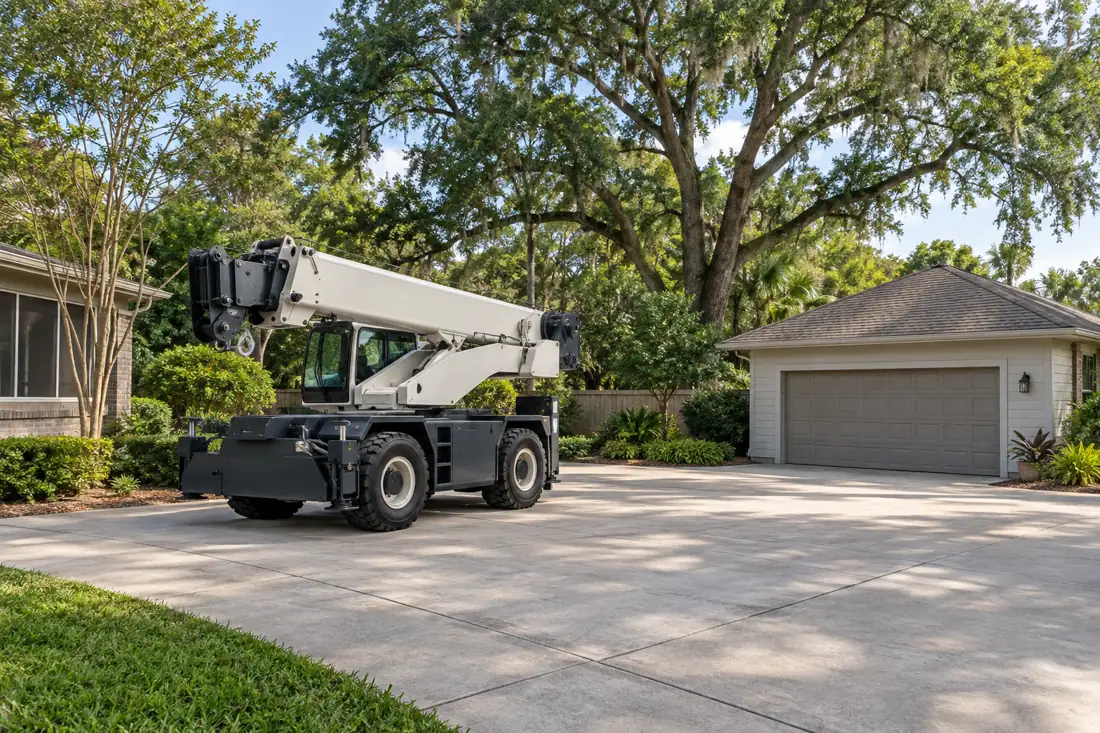
A machine can fit through a wide gate but still strike low branches, soffits, eaves or utility attachments on the approach. Walk the proposed path from street to work zone without entering unsafe areas, and record changes in height, lateral clearance, turning space and ground slope.
Distinguish branches belonging to the tree being removed from valuable limbs of trees meant to remain. Do not assume that access pruning is harmless: cutting a major retained limb may change tree health, appearance and the authorization needed from an owner or neighbor. Note wet spots, drains, roots and fresh pavement that might affect wheels or outriggers.
Ask whether the method relies on temporary pruning, smaller equipment, tracked access, a different staging point or manual rigging. Have the contractor state which retained limbs would be touched and whether the proposed cuts follow an appropriate arboricultural rationale rather than simply creating a machine tunnel.
Compare the time and cost of access preparation with the entire removal method. The scope should include any expected protection of gutters, pavement, lawn and fences, plus a contingency if the machine cannot reach the planned position. After the work, photograph the retained canopy and route to distinguish approved access work from accidental damage.
Walk the entire approach rather than measuring the gate alone
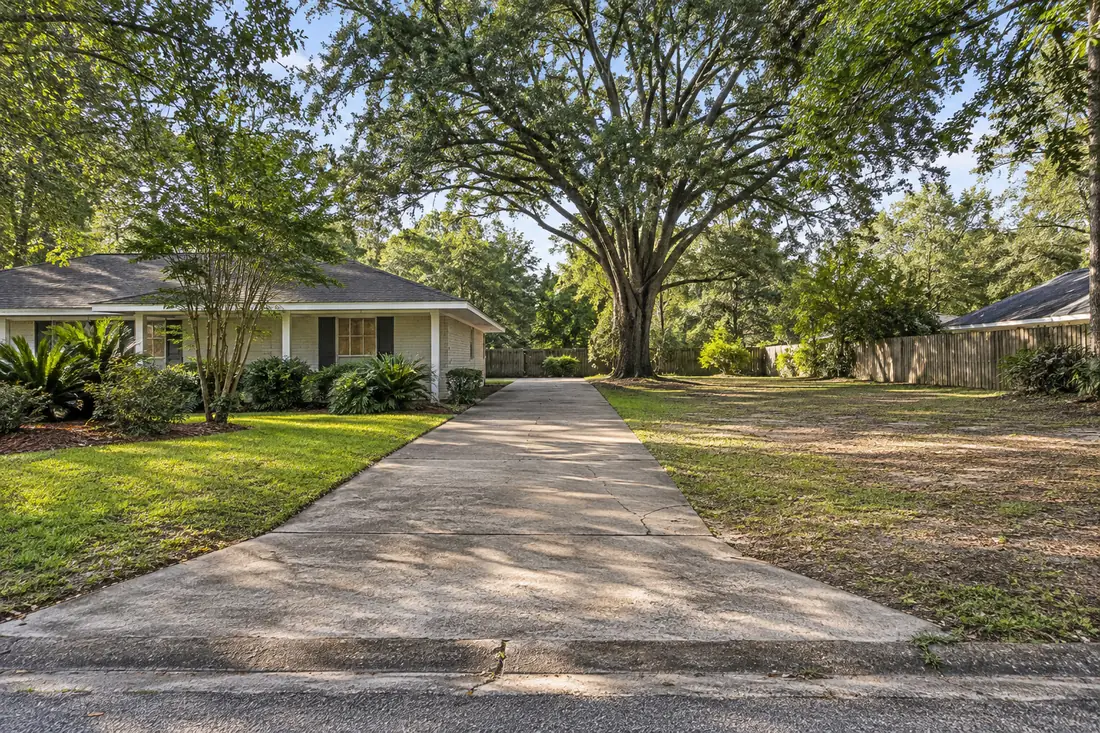
Equipment may clear the driveway opening yet become trapped at the first turn, beneath a low limb or at an abrupt change in grade. Walk the likely route from the legal parking or unloading position to the actual tree, recording widths, overhead space, cross slopes, soft patches and permanent features. Include a wide photograph of each turn so the contractor can evaluate how the machine's path changes through the property.
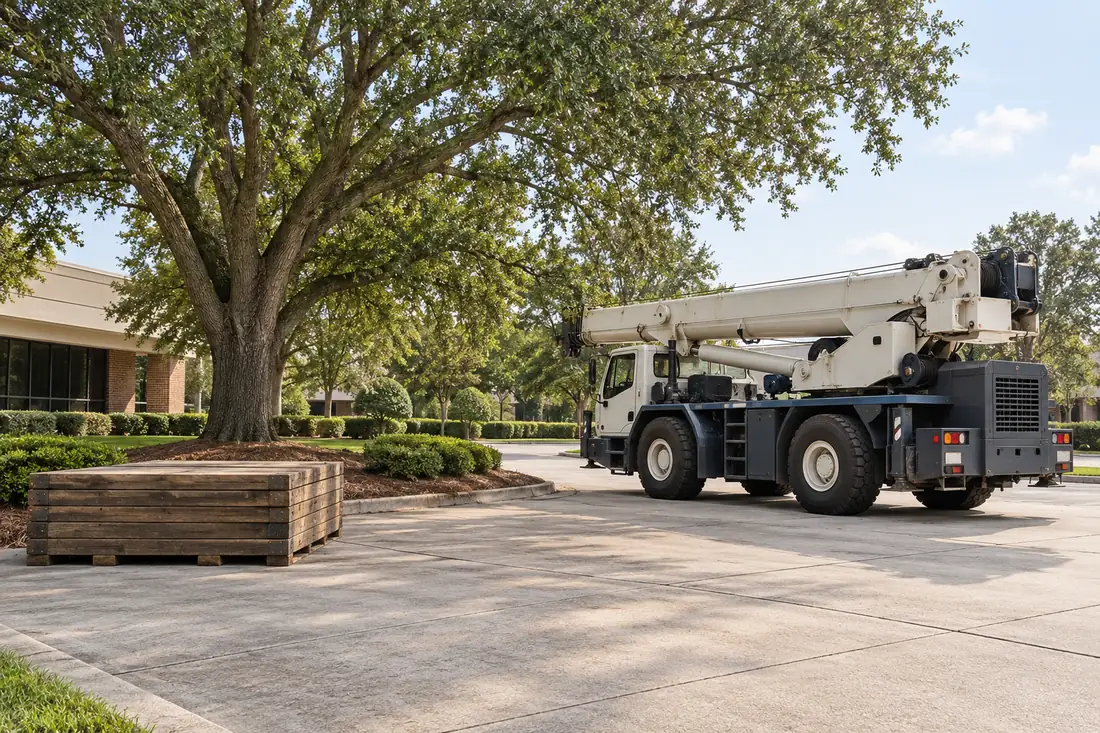
Do not treat an online equipment specification as a guarantee of access. Machine dimensions vary with attachments, transport configuration and maneuvering requirements, and the contractor must determine the safe practical envelope. A narrow corridor beside a house may offer no room to correct an approach. Identify retained hedges, ornaments, irrigation heads, drain covers and fragile paving before anyone commits to a machine-based method.
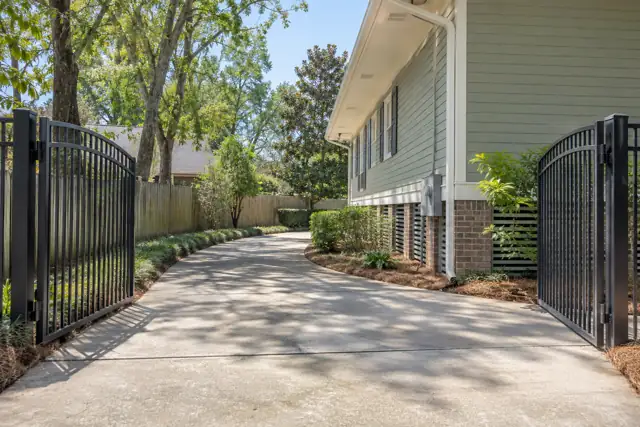
Separate target tree clearance from trees to retain
The removal target may stand deep in the lot, but smaller trees over the approach can be more important to the access decision. Photograph lower branches, trunk forks and canopy overhangs along the entire route. Specify which trees are intended to remain and whether any preliminary pruning would be acceptable in principle. Do not authorize unnecessary cutting simply to accommodate a preferred machine without a professional review.
Branches can spring, break or tear bark if equipment pushes through them. That can leave a retained tree with permanent damage for the sake of temporary access. Ask the contractor to compare a reduced-profile machine, alternate path, selective approved pruning or non-machine removal. The estimate should make any preparatory tree work visible as its own decision, not bury it within a vague equipment-access allowance.
Check low branches all the way to the work tree
Low branches along the approach can prevent machinery from reaching a target tree. Document the entire route from the street through turns and slopes, not only the space around the trunk. Identify which branches belong to trees that must remain and whether neighboring canopies cross the route.
Do not push aside or cut a retained limb simply to demonstrate access. Preliminary pruning can affect structure, appearance and property rights. A qualified tree professional should decide whether it is appropriate and whether permission or a revised scope is required. Avoid treating a shared overhang as an unclaimed obstacle.

Preserve the retained canopy when choosing access
Equipment that appears to fit on level ground may have different overhead clearance while crossing a curb or driveway transition. Its turning path can also bring a roof or fence into reach. Ask the contractor to compare alternatives and identify any access preparation in the proposal.
Provide safe views from the street, through the gate and toward the work tree. State known dimensions and conditions, but do not alter the route before assessment. If the proposed equipment cannot reach safely, the work method should change rather than compromising retained property features.
Look at height, width and turning geometry together
A low branch should be considered with the width of the route and the space needed to turn below it. A machine may need to swing, raise an attachment or change its orientation while passing through the constriction. Gates, roof eaves and nearby utility lines can further narrow the usable area. Provide measurements if safely obtainable from ground level, but let the operator verify them rather than relying solely on owner measurements.
Document changes in grade and cross slope because a nominal opening on level ground can function differently on a driveway ramp or uneven lawn. Do not move fences or cut branches until the selected method is confirmed. If a temporary opening is proposed, record who has permission to create it, how property will be protected and who restores the opening when the job is finished.

Check soil, drainage and surface capacity
Low-canopy routes often pass across turf, planting beds or areas not designed for heavy machinery. Discuss recent rain, persistently wet ground, underground drainage, irrigation and any known buried services. The contractor must decide whether the approach can support the proposed equipment and whether protective mats or another method are suitable. A clean-looking lawn is not evidence of adequate bearing strength.
Provide photographs of low spots and existing ruts before work starts. If the property needs watering restrictions, temporary irrigation shutdown or removal of movable items, agree on those steps with the crew. Keep surface protection and restoration distinct: mats can reduce some impacts but cannot honestly guarantee a lawn will be untouched. State what normal cleanup includes and how unforeseen damage or repairs would be handled.
Check overhead limb clearance throughout equipment travel
A loader may fit through a gate at ground level while its cab, boom or carried wood cannot pass beneath low branches farther inside. Curved driveways, air-conditioning lines, awnings and tree limbs can narrow the operating space without narrowing the pavement. Show the entire route, not just the gate opening, and include branches overhead as well as fences on the sides. Do not cut branches independently to clear a machine path, especially if they are near electrical conductors or visibly stressed.
Ask whether selected preliminary pruning is part of the contractor's work plan and whether it protects retained trees. The crew should assess both an empty machine arriving and the same route with material leaving. If a fence panel or gate alteration is necessary, record permission, security arrangements and reinstatement. Discuss smaller equipment or a changed access point if the corridor is too restrictive. A work quote based on the nominal machine width alone may miss the actual clearance problem.
Review preliminary pruning as a separate scope
Some access problems can be solved by selective clearance, but tree health and structure matter more than machine convenience. Ask which branches would be affected, why that work is recommended and whether it is consistent with the intended future condition of each retained tree. The contractor should assess cuts in context rather than simply remove everything below a chosen height. A client should not prescribe the cut locations from a photograph.
Clarify whether clearance pruning occurs before equipment is brought in, whether it changes the removal price and what happens if the route still proves unsuitable. If a branch extends over a neighboring parcel, additional permissions or constraints may apply. Preserve the distinction between the original removal objective and collateral work on other trees, so the owner can make a considered choice rather than a rushed one.

Compare smaller machines and manual alternatives
A compact machine may pass beneath the canopy where a larger unit cannot, but smaller dimensions can mean different lifting, handling and loading capabilities. Ask the contractor what function the proposed machine performs and which parts of the process still require workers, ropes or other equipment. Do not assume that selecting the smallest machine creates the safest or lowest-cost solution.
Some locations may call for climbing or sectional work instead of ground equipment, while others require a completely different access route. These are technical decisions for the qualified contractor after assessment of the tree, adjacent structures and landing areas. When comparing quotes, require the same definition of removal, debris handling and site restoration; two methods are not comparable if one leaves material behind or excludes difficult cleanup.
Account for overhead cables and building features
Low branches can conceal service drops, communication lines or building attachments that restrict maneuvering even further. Point out any known utilities, exterior lighting, signs, gutters, awnings and roof edges. Photograph them from a safe position but avoid touching or moving any line. Utility-related questions should be resolved through the responsible provider and qualified personnel before tree work is planned near an electrical hazard.
Temporary equipment access might also affect roof runoff, security cameras or exterior fixtures. Make a simple list of features that must remain operational. If access requires disconnecting or removing something, identify who is authorized to arrange it and whether restoration is part of the estimate. A contractor should never discover an unmentioned service line after the machine has entered a corridor with no easy exit.

Plan a route for wood and brush removal
Getting equipment to the tree is only half of the access question. Branches and logs need a path to a chipper, trailer or approved staging area. A narrow canopy corridor may force material to be moved in smaller pieces or carried around landscaping that cannot be disturbed. Ask where wood will be stacked temporarily and whether the loading vehicle can remain positioned without obstructing a driveway.
Define the handling destination for chips, logs and remaining stump material in the scope. If the crew must make repeat trips through the same restricted path, soil and planting protection may be needed for longer than the cutting operation. Avoid scheduling another trade to use the access corridor until cleanup is complete and the responsible supervisor has confirmed the area is ready.
Make access responsibilities visible in the estimate
List the preparation steps by responsible party: moving furniture or vehicles, opening gates, securing pets, verifying property-line permissions and making agreed temporary changes. If a neighbor's driveway is needed, obtain permission rather than assuming a shared fence makes it available. Describe any retained trees or landscaping that need additional care. A small omission in access planning can become a major delay when equipment arrives.
Ask the contractor to document what happens if the initial access assessment proves incorrect. A different machine, route or tree-work method can affect the scope and price, and changes should be discussed and authorized before proceeding. A clear description of assumptions is more useful than a promise that any equipment will fit. It allows the owner to compare realistic proposals rather than guessing from photographs of machinery.

Take useful photos without entering hazardous areas
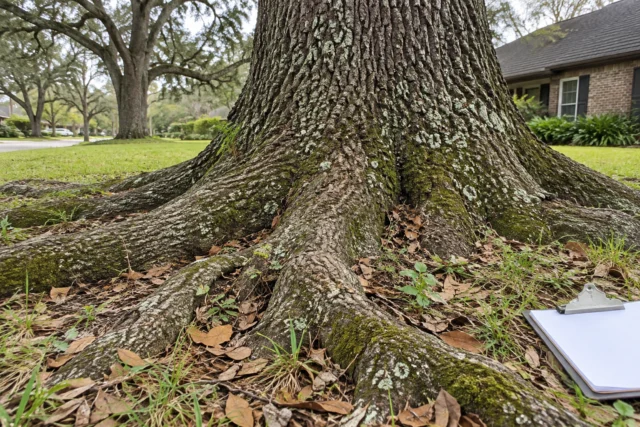
Start with an image from the street showing where equipment could legally arrive, then photograph the gate, the full access corridor, the low canopy and the tree to be worked on. Include a common object for rough scale only when it is already safely present; do not climb a ladder or stand beneath hanging damage to get a better angle. Note which nearby trees must remain untouched.
Send the address, preferred objective, access limitations and any past drainage or surface problems with the photos. Ask for a professional site review where uncertainty remains. The resulting plan should say which method is proposed, how the route and retained canopy will be protected, and what cleanup or restoration is included. An honest access description makes the estimate more useful and reduces the temptation to improvise once work begins.
Questions about this project
What access information helps an estimator?
Send the narrowest opening, overhead obstacles, turns and the distance between the tree and the loading area. Include photos of the entire route and identify steps, soft ground or features that must remain protected.
Should I remove a fence before the visit?
First ask the contractor to assess access and agree on any temporary opening. Identify who owns the fence, who can authorize the change and who will reinstall it. Do not assume the opening is necessary or included.
Does a machine's maximum reach prove it can do my job?
No. Loaded reach, configuration, section handling, obstacles and setup conditions all affect suitability. A contractor needs to evaluate the particular tree and property before confirming an equipment plan.
Can specialized equipment replace a site assessment?
It does not remove the need to assess tree condition, targets, access and support conditions. Ask how the contractor will confirm that the proposed machine and method fit the actual scope.
How should I describe the pruning I want?
Explain the objective: clearance for a route or building, deadwood, a damaged branch or structural development. Ask for suitable tree-specific work rather than requiring an arbitrary shape or amount of canopy to be removed.
Will pruning resolve every tree concern?
No. Root, trunk and major structural problems may need a different assessment or response. State the full concern so pruning is not used as a substitute for evaluating the condition that prompted the call.
Is leaving the trunk untouched enough to protect a tree?
No. Roots, soil conditions and nearby work can matter even when the trunk is not cut. Identify retained trees before planning access, excavation and storage, and ask what site-specific protection is appropriate.
Can pruning undo construction-related root damage?
Do not assume it can. Share the work history and ask for an assessment of the current tree and site. Pruning, monitoring or other recommendations should address an identified need rather than substitute for protection planning.
What should I compare besides the price?
Compare tree identification, work objectives, access assumptions, hauling, stump treatment, site finish and exclusions. Ask whether permits or other coordination are part of the scope and who can approve changes if conditions differ.
Does an online request book the crew?
No. A request starts the estimate conversation. The company still needs to discuss scope, availability and any site assessment. For a dangerous or urgent condition, call 504-458-8336 rather than relying on a form response.
What should I tell Tree Huggers about tree removal equipment under low branches?
Explain the property address, the work you want and the specific concerns: approach clearance, retained trees, preliminary work. Send safe photos of the tree, surroundings and access route. The contractor can then discuss the assessment and scope needed for this situation.
How do I request an estimate for this work?
Call 504-458-8336, text photos or use the estimate form on this page. Include the address, desired outcome and any timing constraints. The company will need to review scope and availability; an online request does not confirm a price, appointment or emergency dispatch.
Get a scope for your property
Low branches over a side yard or driveway may block a machine even when the gate itself is wide. Measure obvious openings only from a safe location and photograph the route looking in both directions, including eaves, wires, fences and existing landscaping. Do not cut branches simply to make equipment fit before an assessment.
The contractor should specify the machine's practical travel clearance and identify whether selective access pruning is necessary, permitted and compatible with tree health. Confirm any hand-moving or alternative rigging route, yard protection, debris loading and restoration in the written estimate.