When a Baton Rouge project is a good fit
Large removals, multi-tree scopes, commercial sites, storm response and equipment-heavy work are the types of projects where travel and mobilization can make sense. The estimate should define access, disposal, crew logistics, schedule and equipment before work is committed.
Capabilities
Tree removal, high-risk removal, crane-assisted work, trimming, clearing, vegetative debris and contractor support can all be reviewed. Send the address, photos, quantities and requested schedule for an initial evaluation.
Define the project before discussing regional resources
Tree Huggers is based in Marrero and evaluates larger Baton Rouge inquiries according to the task, travel, access, resources and schedule. Large removals, multi-tree scopes, commercial work, storm response and specialized-equipment inquiries can be submitted for review. This page does not represent a Baton Rouge office or an automatic commitment to every request in the area. Explain why the project needs review and what work the buyer actually wants priced.
The capability overview brings service categories together for purchasers and site contacts. A general description is separate from a project proposal, current vendor documentation and a confirmed operating arrangement. Provide locations, quantities and the decision-maker before treating a preferred machine or date as an accepted resource commitment. The first useful result is a clear project question, with enough information for the company to discuss fit and what review is needed next.
Use the current work list and plan revision
Identify individual trees or defined work areas with references that the site team can recognize. Attach safe photographs to those entries and distinguish selected removals, pruning, stumps and existing material piles. If a drawing or specification governs the request, state its current revision or date. A preliminary sketch and a later construction plan may describe different tasks even when they refer to the same property address.
For a project involving another trade, the construction service page provides related coordination detail. Mark retained trees and unresolved decisions separately from accepted removal limits. A purchaser should be able to explain which document governs the estimate and who can resolve conflicts. Keep the same identifiers through proposal review, authorized changes and closeout so a superintendent, owner and tree company can discuss the actual work without guessing from inconsistent versions of the list.

State the next phase's actual handoff requirement
Explain what tree work must produce before another contractor, grounds team or facility operation can proceed. An access route, a removed standing tree, a processed material pile and prepared ground are different results. Give the next provider’s stated requirement rather than requesting a particular method without explaining the intended finish. A date alone does not establish which of those results the buyer expects from the tree scope.
The contractor support page helps frame dependencies and approval contacts. Keep the broader project sequence with the buyer while identifying the tree company’s actual accepted tasks and completion point. If another trade changes access or occupies the proposed loading area, provide that update before deployment relies on an earlier plan. Regional coordination works best when the accepted scope and operating assumptions remain connected to the current site instead of a schedule that has already changed.
Review the complete route and operating area
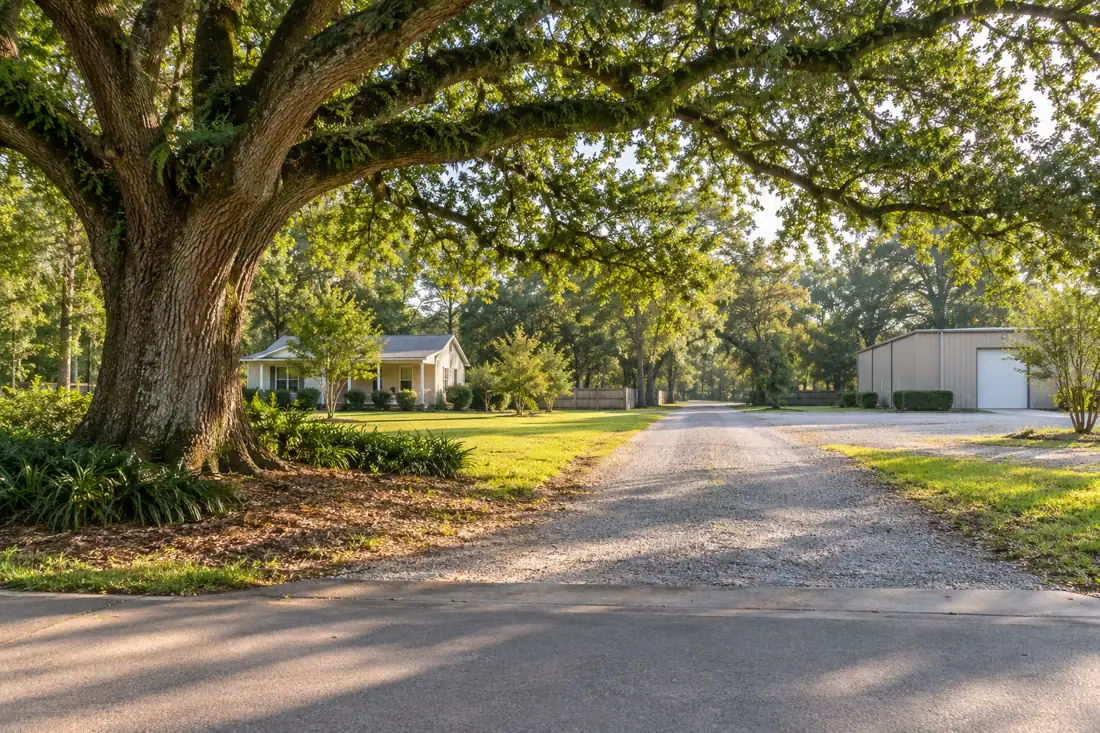
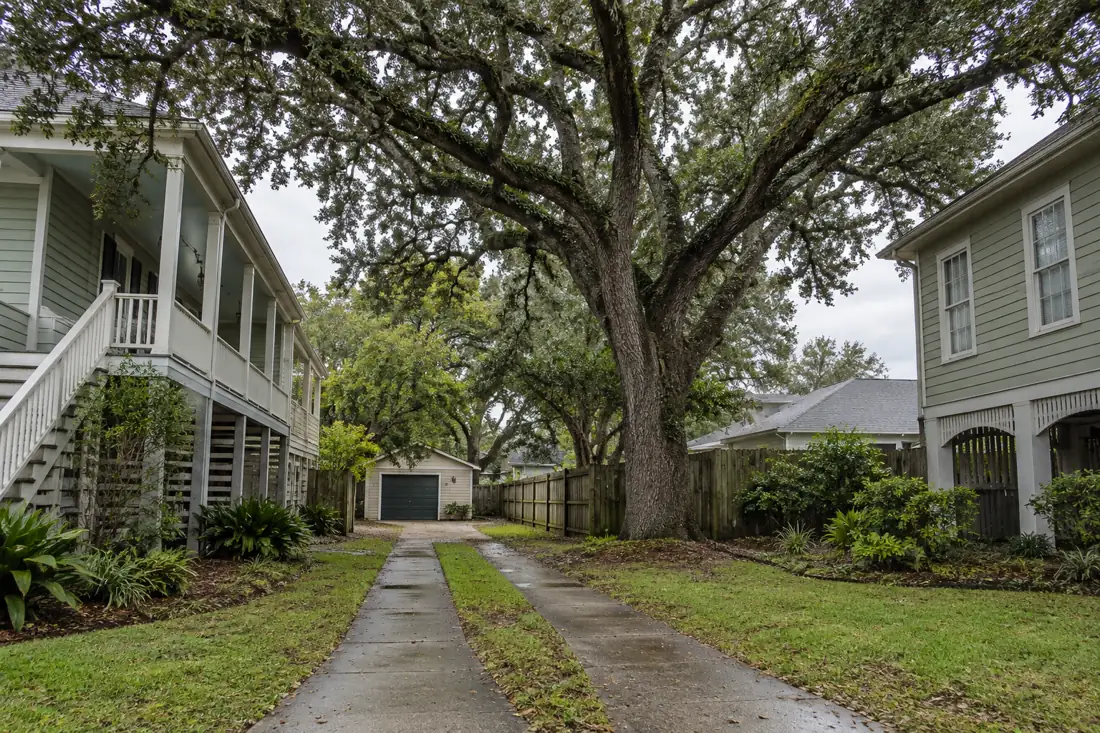
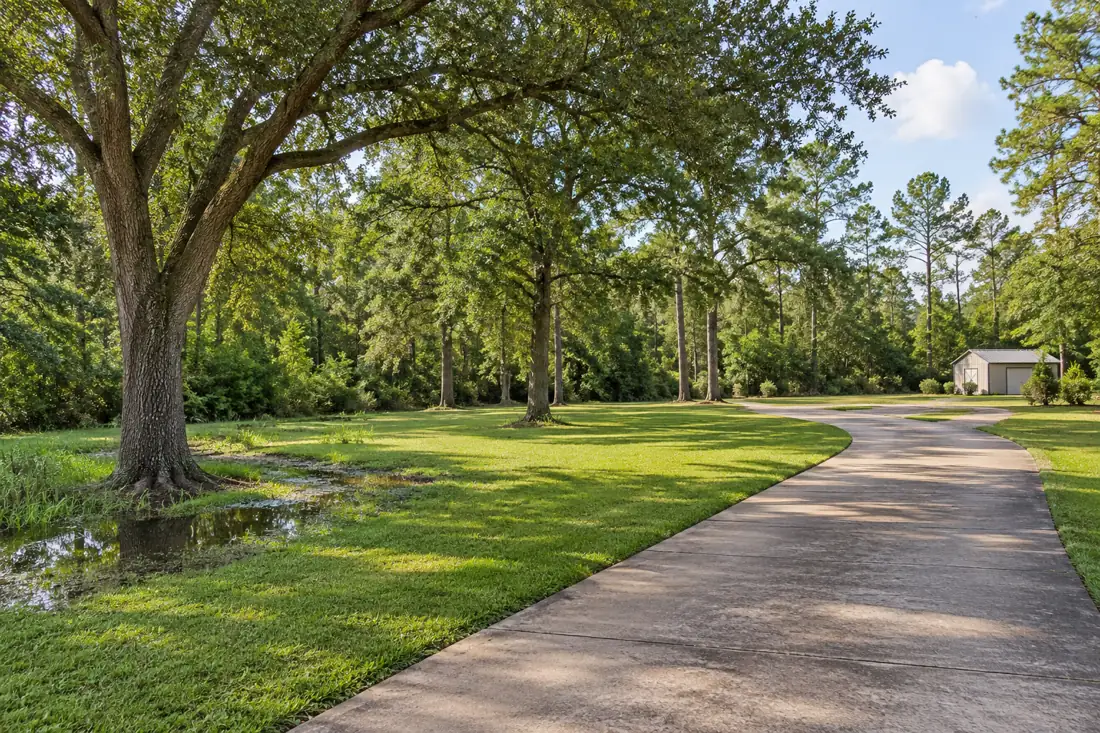
Show the public approach, property entry, gates, turns, surfaces, ground and available setup or loading space. Include the route between each tree group and the material destination. A wide paved loop or open grounds area does not prove every proposed setup is appropriate. Share known relevant overhead, utility, drainage and buried-feature information with its limits and the responsible person for any required confirmation.
The equipment planning hub explains how task, access and support inform the approach. Describe occupied buildings, deliveries, staff routes and other contractors using the area. Identify who can make the accepted work zone available. A quiet image is not an operating-window agreement. Confirm site requirements before a proposed resource or travel plan depends on them, and report material changes in ground or route conditions before relying on the original estimate assumptions.
Keep retained trees and project boundaries explicit
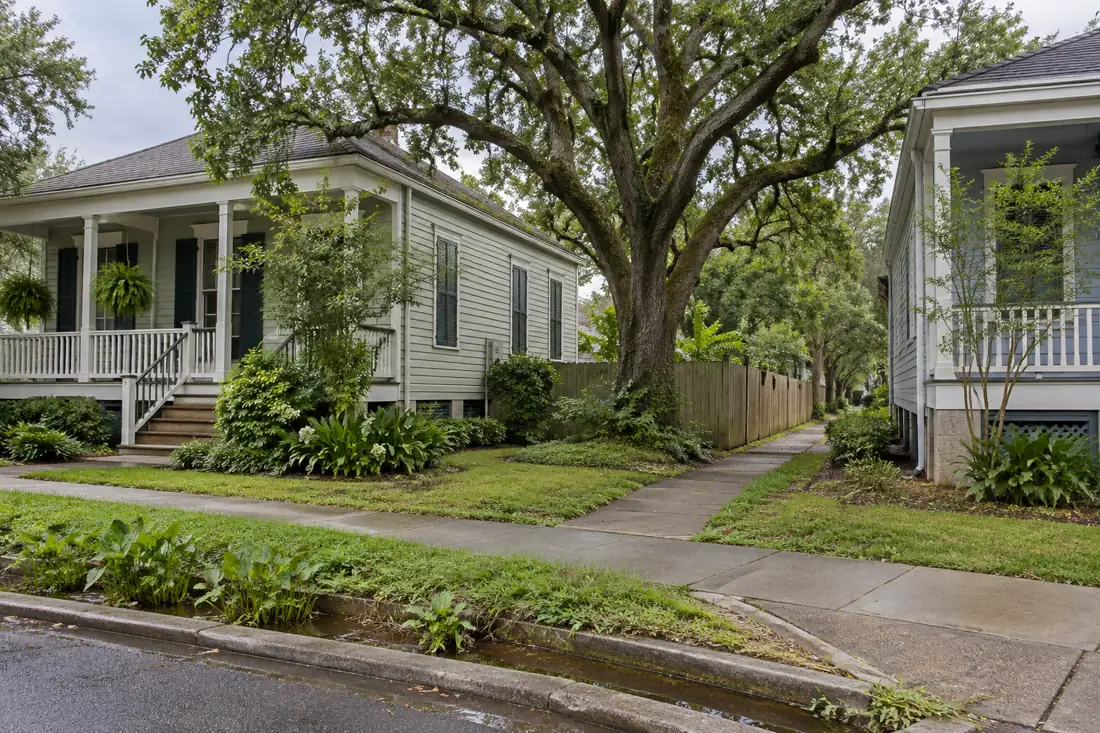
Identify what remains before clearing, staging and access choices are made. Share the current retention plan and any ground work near retained trees. The preservation guide gives related context for discussing traffic, storage and other site changes around valued canopy. Keeping a trunk standing should not be treated as a complete protection plan for a tree whose surroundings may change during the wider project.

Baton Rouge: prepare a practical commercial brief
A regional commercial request should name the decision-maker and usable work window alongside the trees. Supply the exact address, approximate number of trees, current condition concern, photographs and whether customers or deliveries must be accommodated.
Separate urgent hazards from routine pruning or landscape work. If gated entries, limited turning space or protected pedestrian routes affect the site, mark them on a simple diagram and name who controls access. The information helps evaluate a possible crew and equipment before availability is promised.
For work in phases, describe what must be completed first and how debris, staging and inspection will be coordinated. Confirm project-specific credentials and contract eligibility directly rather than inferring them from a general service-area page.
The clearing service addresses a related but distinct scope. Define the boundary and the vegetation or material included rather than relying on an approximate photo to authorize broad clearing. If responsibility or ownership is uncertain, resolve it through the appropriate project contacts before the plan depends on that area. An estimate does not decide boundaries, approve another trade’s design or establish permission to use adjoining property for access, setup or material placement.
Price the material flow and stump finish clearly
State what should happen to branches, logs, chips, grindings and other agreed material. Explain whether it leaves, remains on site or moves to a proposed receiving location. The material-handling hub helps connect processing, loading, route and destination. A regional proposal should make those assumptions visible so the buyer can compare the actual scope rather than totals that describe different disposal or retained-material responsibilities.
For below-ground work, the stump guide distinguishes grinding, excavation, backfill and later surface preparation. Share the next provider’s required condition before the accepted tree work is assumed to produce construction-ready ground. If material processing, grading, repairs or restoration are assigned elsewhere, name the responsible party. A useful handoff identifies completed tasks and remaining work instead of allowing a broad cleanup label to absorb every later obligation on a large site.
Submit purchaser requirements through the right contact
Provide the actual document list, response format and deadline when a buyer needs a formal project review. Request current insurance, qualifications, references or other evidence directly from Tree Huggers. Do not infer a particular registration, policy limit, bond or purchasing eligibility from this area page. The procurement guide helps organize the information exchange without treating a general website statement as acceptance of a solicitation or contract package.
Name the person who can authorize the original scope, approve changes and accept completion. Where several site contacts are involved, establish a clear path for decisions so an informal field request does not silently become an additional task. Keep the accepted travel, resource, work-window and material assumptions together with the proposal. If a requirement changes after review, send the update before the company or buyer relies on a commitment made for a different version of the project.
When comparing a base scope with an optional phase, label the alternatives clearly and explain which decision is pending. An estimator should not have to infer whether a second tree group, later stump operation or changed destination is part of the required work. Keep optional tasks separate from the accepted commitment until the authorized buyer makes that choice. This helps the project team compare like-for-like proposals and prevents an unselected alternative from becoming an assumed field instruction.
Keep response priorities and closeout traceable
For storm-related inquiries, report current conditions from safe positions and keep people clear of unstable material. Call 504-458-8336 about availability; a form does not confirm regional deployment or dispatch. Immediate threats to people or electrical involvement need the appropriate emergency or utility response. The mobilization overview provides related context for location lists, priorities and operating arrangements that still require direct confirmation.
At closeout, compare tasks with the accepted tree identifiers, work limits, approved changes and required finish. A planning example is a mapped group of removals supporting a construction sequence, a defined haul destination and later ground preparation by another contractor. Send the locations, current plans, safe photos, quantities and required handoff so Tree Huggers can begin a focused review of the actual scope and regional arrangements.
Tree Service Baton Rouge questions
Does this page establish a Baton Rouge office?
No. Tree Huggers is based in Marrero and reviews larger regional project inquiries.
What should be defined before discussing deployment?
Provide the task, locations, quantities, current plans, access and authorized contact.
Which drawing revision should be supplied?
Use the current version and identify the document governing the estimate and work limits.
Does a removal date define the next-trade finish?
No. State the actual condition the following provider needs and assign the relevant tasks.
Does a paved loop prove a machine can be used?
No. Review the complete approach, ground, setup, operating area and task.
How should retained trees be identified?
Keep them distinct from removals and clearing limits before access, storage or ground changes are planned.
Does an estimate settle ownership or access authority?
No. Resolve relevant boundaries, permissions and coordination through the responsible contacts.
What should a material plan describe?
The material, processing, loading, route, destination and any accepted on-site placement.
Is construction-ready ground included with tree removal?
Do not assume it. Clarify stumps, grindings, excavation, backfill and later preparation separately.
How should purchaser documents be requested?
Submit the actual requirements for direct review and ask for current project-specific evidence.
Does a storm inquiry reserve regional resources?
No. Call about availability and confirm scope and deployment arrangements directly.
What should closeout compare?
Actual work with the accepted identifiers, limits, approved changes, material decisions and required handoff.
Let’s plan your tree work.
Send the property address, safe tree photos and the result you need. Include access restrictions and the person who can approve the work.