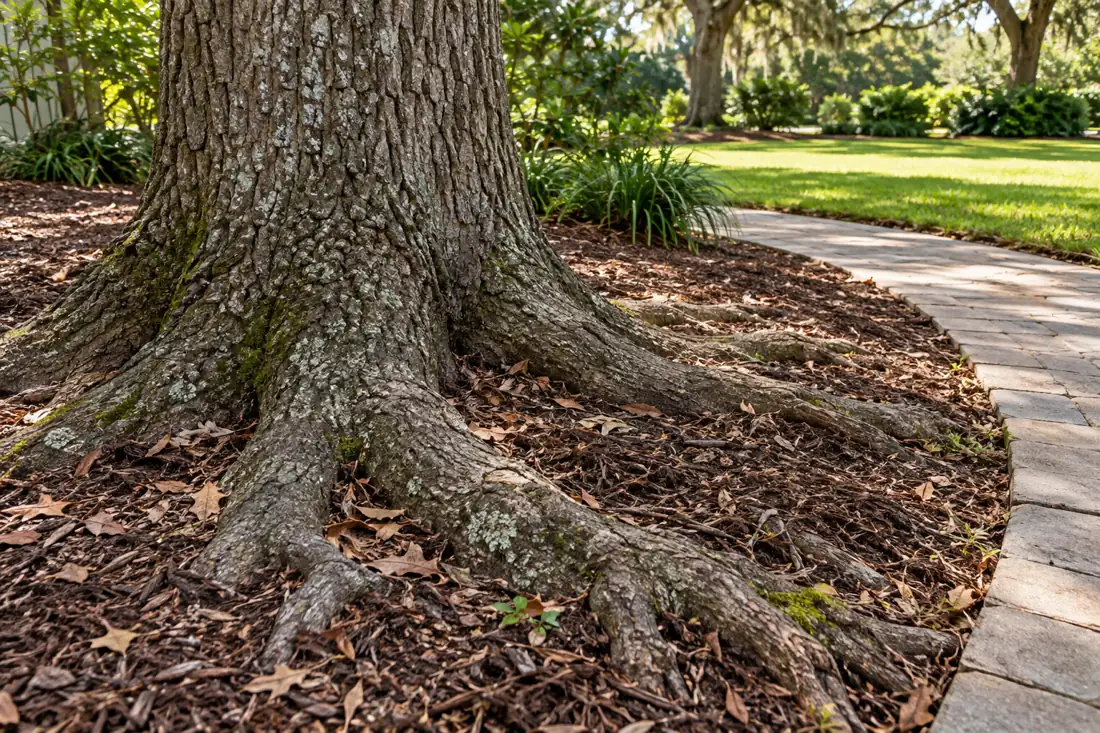
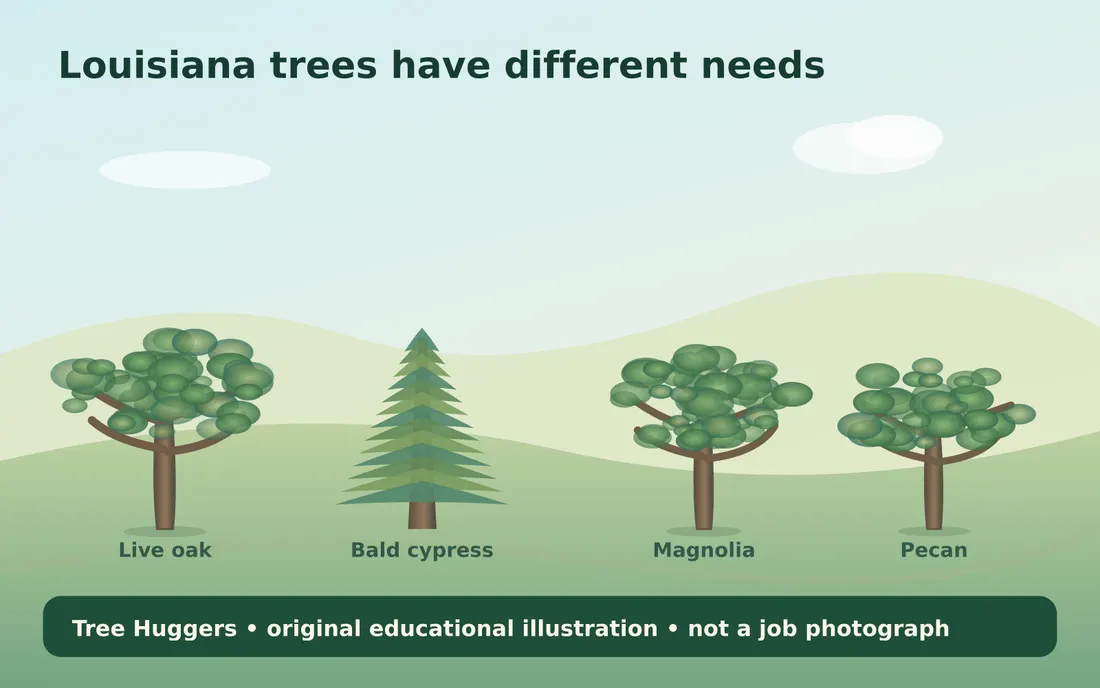
Off-season browning is a symptom to investigate, not a diagnosis by itself. Note whether the change affects one branch or the entire canopy and whether nearby trees are changing too. Photos, timing and site history help prepare for an assessment. Branch condition and nearby targets may matter more urgently than the leaf color alone.
Use the pattern of browning to narrow the next question
Brown foliage outside the expected seasonal pattern can result from water stress, heat, salt exposure, root disturbance, pests, disease or a combination of factors. Observe whether damage starts at leaf tips, leaf edges, isolated branches or the entire canopy, and compare newly emerged leaves with older ones. Note irrigation changes, nearby excavation and recent herbicide use. These details can guide an inspection, but browning alone cannot identify a cause or justify a specific chemical treatment.
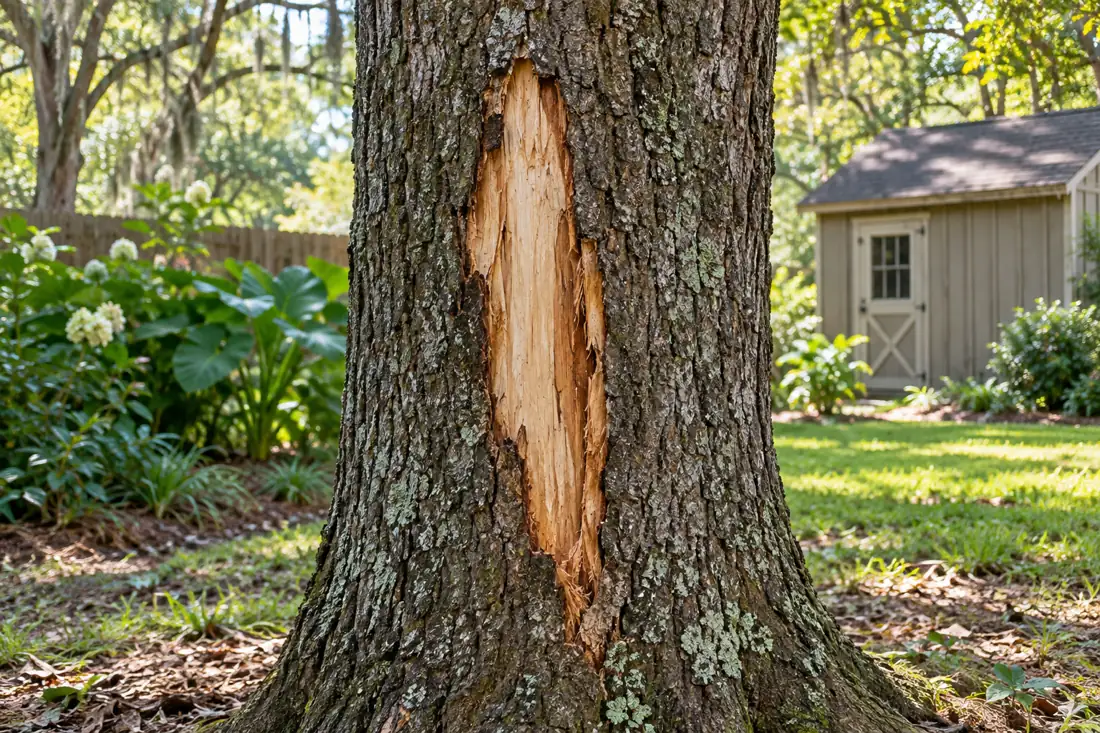
Before changing watering or fertilizer routines, examine soil moisture and drainage conditions at the root zone rather than judging only the dry-looking surface. Overwatering in poorly drained soil can create a different stress than drought. Photograph the tree periodically from consistent positions to distinguish continued decline from a temporary leaf-drop cycle. If branches are also cracking, a tree is suddenly leaning or large limbs are dead above a use area, address that safety concern separately and promptly.
Brown leaves outside the expected seasonal cycle deserve context. Note whether the change began abruptly or progressed over weeks and whether it affects leaf edges, whole leaves, one branch or many portions of the crown. Include recent spraying, construction, altered drainage, lawn treatments, heat exposure and nearby utilities in the history you give an assessor.
Photograph healthy and damaged foliage while keeping the full tree visible in another image. A close-up of one leaf alone cannot distinguish insects, drought, chemical injury, root problems and normal shedding.
The useful outcome is a prioritized assessment, not a predetermined treatment. If browned foliage accompanies fresh cracks, hanging limbs or sudden movement, describe the separate structural concern promptly and keep people away from the affected area. For nonurgent canopy changes, ask what observations should be repeated, when follow-up is appropriate and which possible causes have sufficient evidence to justify intervention. Clarify whether pruning, irrigation review, a laboratory sample or simple monitoring is being recommended, and what would trigger a different decision.
Start with the timing and pattern of leaf discoloration
Leaves turning brown outside the expected seasonal pattern can reflect water stress, heat, root injury, pests, disease or a normal response in a particular species. The useful first step is describing what happened and when. Did the change appear within days, spread over several weeks or begin after a storm or landscape project? Does it affect the outer tips, whole leaves, one large limb or most of the crown? A tree professional can use those distinctions to decide what should be examined.
Include the species if known, the tree's approximate age or size and any earlier photos showing its typical canopy. A deciduous tree naturally sheds foliage at certain times, while an evergreen may replace older leaves throughout the year. A single brown leaf does not establish that the tree is dying. Avoid claiming a precise cause from a photo without a qualified assessment. The goal of the inquiry is to organize observations that make an on-site evaluation more useful.

Distinguish leaf scorch from general canopy thinning
Dry brown margins, curled tips and irregular patches may be associated with water and heat stress, but similar symptoms can arise from other conditions. General canopy thinning means that leaves or twigs are missing, which may tell a different story from a full crown of discolored leaves. Look from a safe distance at whether the symptoms are concentrated on the sun-facing side, near pavement or on branches that recently lost foliage. Do not climb to collect samples from a damaged or unstable tree.
Describe whether affected leaves remain attached, fall early or occur with wilting or new growth. A professional may need to inspect buds, branches and site conditions to determine whether the leaves reflect temporary stress or deeper problems. Do not make a tree-removal decision based only on the leaf color. Where large dead limbs, cracks or a changed lean are present, those structural observations need separate attention because leaf symptoms alone do not establish the risk to people or structures.
Track the leaf pattern before naming the cause
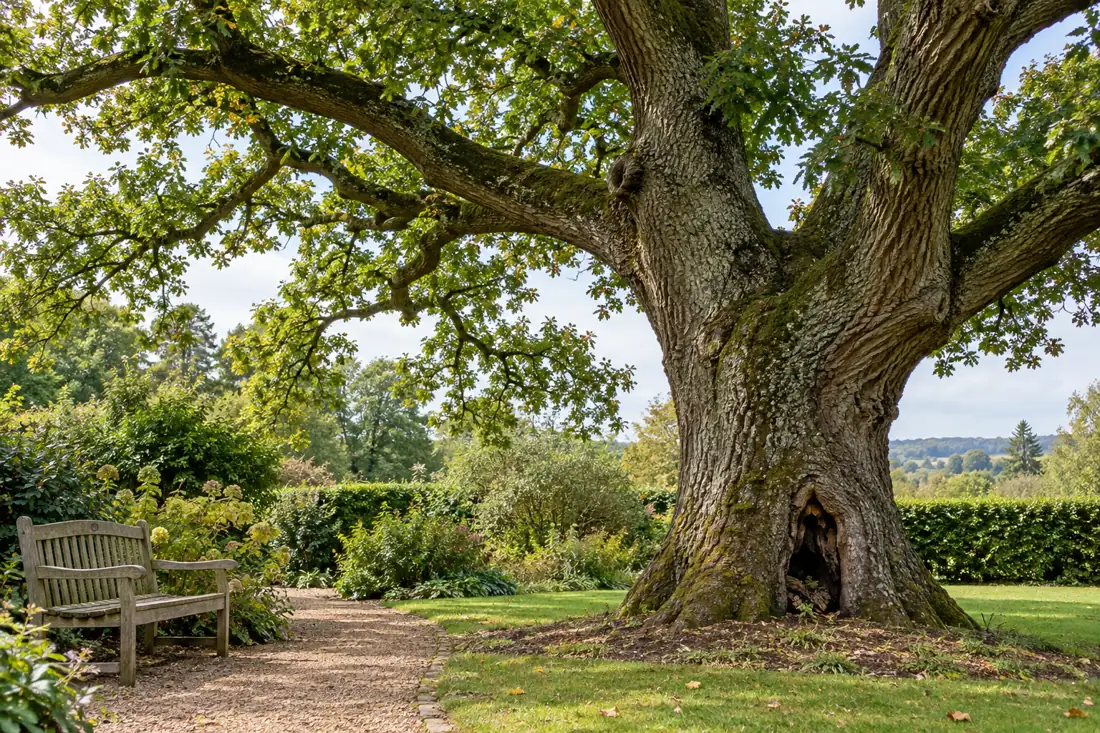
Brown leaves outside an expected seasonal pattern can reflect heat, drought, inundation, salt exposure, insects, disease or recent disturbance. Photograph leaves on several sides of the crown and note whether browning starts at edges, tips or whole branches. Compare new and older foliage where possible without climbing. Species and seasonal habits matter, especially where live oak leaf turnover may be mistaken for a new decline problem.
Look beyond the foliage for clues in the landscape: recent paving, irrigation changes, a downspout aimed at the trunk, soil piled over roots or a trench across the yard. Record when symptoms started and how the weather changed beforehand. Avoid spraying, fertilizing or removing major branches merely because a photograph resembles an online example. Different causes can produce similar leaf colors.
Review soil moisture and irrigation without overcorrecting
A dry lawn does not necessarily indicate the moisture condition at all tree roots, and a wet surface does not prove that deeper roots are receiving suitable oxygen or water. Ask where irrigation reaches, whether the controller changed recently and how runoff behaves after rainfall. Pavement, gutters, raised beds and slopes can create uneven soil moisture across a root zone. The tree may receive more or less water than nearby shrubs even when the same sprinkler operates.
Avoid responding to brown leaves by flooding the trunk or running shallow sprinklers continuously. Excess water can be harmful in poorly drained soils, while inadequate moisture can persist under pavement. A qualified local professional can recommend how to evaluate moisture and adjust care for the species and site. Keep a simple record of watering changes rather than applying several treatments at once. That record can help determine whether symptoms progress, stabilize or recur.

Map where the leaves changed before naming a disease
Photograph the distribution before collecting a diagnosis from the internet. A scattered margin of brown leaves, an entire upper canopy turning color, and one declining scaffold branch are different patterns. Take a broad image including the whole tree, then one of symptomatic foliage and another of a nearby healthy branch. Record the species if known, the approximate week of onset and whether leaves fell or remained attached. Include adjacent trees only as context; they may have different root zones or exposure.
Consider timing alongside site events. Saltwater intrusion, road salt in other regions, windburn, insect feeding, herbicide drift, roof runoff and root-zone construction can produce overlapping symptoms. A brown margin is not enough to identify any of them. Record whether a new landscape application, pavement job, irrigation change or unusually hot dry period came first. If chemicals are suspected, save the product label and application date, not a guess about who caused it. An assessor can then ask better questions.
Do not respond to a partial canopy problem by removing large healthy limbs for visual symmetry. Tree structure, clearance needs and the affected branch's actual condition should guide pruning. Homeowners should not climb, strip bark or cut branches to test whether the wood is alive, especially near utilities. If branches are broken or hanging above a walkway, restrict that area and request appropriate service. Leaf diagnosis and immediate branch safety are related, but they are not the same decision.
Develop a photo log using roughly the same angle and lighting when practical, and mark the areas that changed rather than relying on memory. A professional may suggest soil review, visual inspection, laboratory testing where relevant or simply monitoring, depending on the pattern. Ask what observation would change the recommendation and when to reassess. Promises of instant greening or generic treatment without a supported cause should not substitute for an explanation of findings and limits.
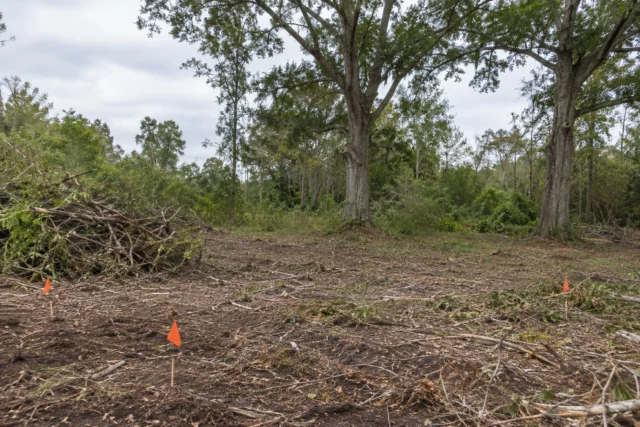
Look for recent construction and root disturbance
A tree can respond to trenching, driveway replacement, grading or soil compaction after the visible work has finished. Ask whether machinery crossed the root area, whether soil was added around the trunk or whether large roots were cut. Root systems often extend beyond the dripline and are not confined to the small mulched circle around a trunk. A new patio that seems distant from the stem may still affect important roots, depending on the tree and site.
If leaf browning began after a property project, include the construction timeline and any available plans in the inquiry. Do not immediately accuse one trade of causing damage; the observation establishes timing, not causation. A professional can assess whether root disturbance is a plausible contributor and what site corrections may be appropriate. Future work should consider protection zones for retained trees before excavation or material storage begins.
Early browning: compare the distribution before naming a cause
One brown branch near a construction trench is a different observation from uniform discoloration across several species after a weather event. Note whether browning began at leaf edges, one side of the crown, the entire canopy or only young leaves. Also record recent paving, road-salt exposure, chemical use and irrigation changes when actually known.
A leaf photo alone is not enough to diagnose fungus, insects, drought or root injury. An inquiry should connect the visible pattern with the timing and any safety concerns. Avoid clipping branches high in the tree or climbing to obtain a closer picture.
Provide context that supports an informed follow-up
A useful inquiry includes one full-tree view, several leaf close-ups, trunk and root-area images, and a short timeline. Note whether nearby trees show a similar pattern and whether only one section of the crown is affected. If leaves are brown but attached, or limbs have become brittle, state what can be observed rather than labeling the tree dead. A professional assessment may require closer inspection or testing.
Follow-up depends on the condition, not a one-size-fits-all treatment date. Record new growth, continued browning and changes after irrigation or rain. If declining branches hang over an occupied area, discuss access restrictions and hazard evaluation separately from a plant-health diagnosis. Keep the same photographic viewpoints across several weeks when practical; this helps distinguish progression from an isolated symptom.
A useful record for unexpected leaf discoloration
Photograph the whole crown as well as affected leaves and note when browning first appeared, whether one side is worse, and whether similar trees show the same pattern. Include recent construction, irrigation changes, chemical applications, flooding or prolonged dry weather if known. Avoid guessing at a disease or buying a treatment based on leaf color alone.
A qualified evaluation should consider tree species, season, site conditions and other symptoms before recommending action. If discoloration accompanies a new lean, large crack or hanging limb, separately report that immediate structural concern.
Examine weather, salt and chemical exposures carefully
Heat waves, strong winds, drought, flooding and occasional unusual cold can affect foliage. Wind-driven salt exposure in some coastal situations and certain chemical applications may also create patterns worth investigating. The relevant detail is what actually occurred at the property: recent flooding, overspray, new lawn products or an extended dry period. Do not assume every brown margin is salt damage or that a nearby application definitely caused the symptoms. Record dates and product information when known.
Tell the assessor about any spraying, fertilizing or pest treatment near the tree, including who applied it and when. Do not apply an additional pesticide or fertilizer as a precaution without a diagnosis or label-appropriate recommendation. Unnecessary treatment may complicate the condition or introduce new exposure. A useful plan tests the most plausible explanations against site evidence instead of cycling through multiple products based on a generic symptom chart.
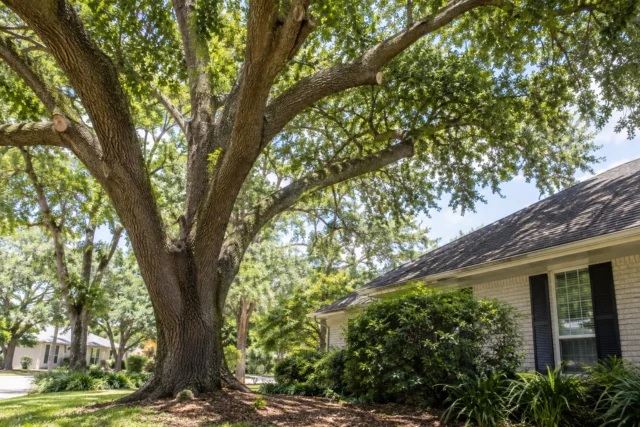
Consider insects and disease without self-diagnosing
Some insects or pathogens can cause spotting, early leaf drop, canopy thinning or dead twigs. Others may be present on an already stressed tree without being the main cause. Photos of actual leaves, twigs and any visible pests can support an evaluation, but online image comparisons rarely settle a diagnosis. A tree professional may recommend examining samples or involving a specialist when the cause is uncertain. Ask what findings distinguish the suspected issue from drought or root injury.
Avoid stripping bark, drilling into wood or cutting substantial branches to look for evidence. Do not treat every discolored leaf as proof of a serious disease. If a professional recommends treatment, ask about the objective, the expected evidence of benefit and limits of certainty. A good recommendation should also address underlying growing conditions, because correcting water or root stress may be important even when pests are present.
Identify safety concerns separately from leaf health
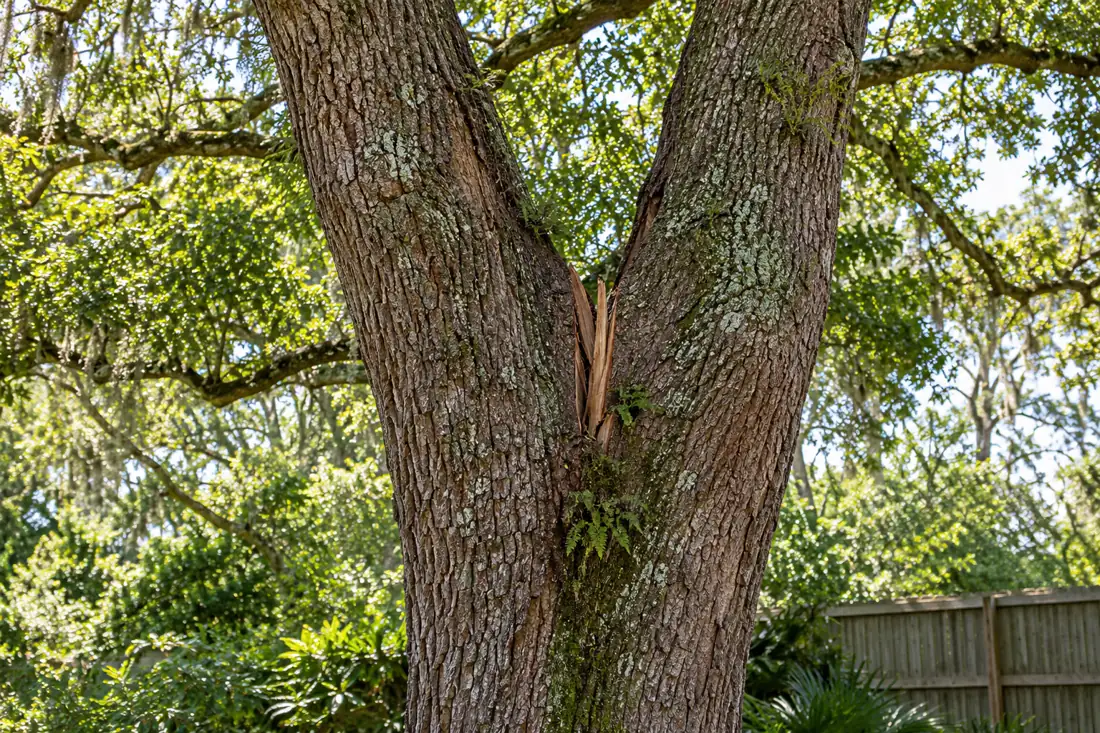
A tree with brown leaves is not necessarily a falling hazard, while a leafy tree can still have structural defects. If a large limb is broken, a split appears at a major union or the tree has changed lean, keep people away from the potential fall zone and arrange an appropriate assessment. Do not stand beneath damaged wood to inspect leaf color. Report immediate threats through the appropriate emergency or utility contacts rather than relying on a routine online estimate form.
For ordinary foliage concerns, ask whether the professional is providing a condition review, a formal risk assessment or an estimate for specific pruning. Those services answer different questions. If removal is proposed, ask which observable findings justify it. If monitoring is recommended, ask what structural or foliage changes should trigger follow-up. Distinguishing safety from leaf appearance helps the owner avoid both unwarranted removal and overlooked structural problems.

Set realistic expectations for recovery and follow-up
Some leaf damage is permanent for the affected leaves even when the tree survives and produces healthy new growth later. Other symptoms can progress as underlying root or branch problems develop. A professional may suggest observing the next growing cycle or revisiting after site conditions have changed. Do not promise that a particular watering schedule, fertilizer or treatment will restore every brown leaf. A tree's response depends on species, condition, season and the actual cause.
Take repeat photographs from the same safe viewpoint, noting date and recent weather. Record changes to irrigation or site management so later observations have context. Avoid making several interventions simultaneously unless directed by a qualified professional; otherwise it becomes difficult to know what mattered. If symptoms spread quickly or major branches die, request updated guidance. A follow-up plan should name specific observations and a reasonable review point rather than leaving the owner to guess when concern becomes urgent.
Prepare an estimate or assessment request with useful evidence
When contacting Tree Huggers, provide an overview of the entire tree, close photos taken safely of accessible foliage, the approximate onset date, irrigation history and recent construction or storms. Describe where people and buildings are positioned relative to the crown. Explain whether the goal is a diagnosis, targeted pruning or help deciding if removal is necessary. A routine form submission is not a guaranteed response time or immediate visit, and urgent hazards require the appropriate emergency channels.
Ask any professional to put important findings and recommendations in a form that can be understood later: what was observed, what is uncertain, what action is proposed and what would justify reevaluation. If the tree remains, keep a record of monitoring and site changes. If removal is chosen, request a separate defined work scope and debris plan. The point is not to label every brown leaf but to make an evidence-based decision about the specific tree and property.
Questions about this project
Is a free work estimate the same as a written risk assessment?
Not necessarily. Explain whether you need pricing, condition advice, a documented assessment or a combination. Ask what the visit includes, who provides it and what limitations apply to any findings or recommendations.
What history should I share?
Share known storm damage, prior failures, construction, root disturbance, flooding, pruning and recent changes. Include the timing and nearby property use. Useful history supports the evaluation without replacing inspection of the current tree and site.
Is leaving the trunk untouched enough to protect a tree?
No. Roots, soil conditions and nearby work can matter even when the trunk is not cut. Identify retained trees before planning access, excavation and storage, and ask what site-specific protection is appropriate.
Can pruning undo construction-related root damage?
Do not assume it can. Share the work history and ask for an assessment of the current tree and site. Pruning, monitoring or other recommendations should address an identified need rather than substitute for protection planning.
Should every declining tree receive an injection?
No general treatment fits every cause of decline. Ask what problem has been identified, why the treatment is appropriate and how results will be reviewed. Site or structural concerns may require a different response.
What information helps with a treatment discussion?
Provide symptom timing, the parts affected, watering or site history, recent construction and previous treatments. The provider should explain the basis, limits and follow-up for any recommended care.
Does healthy-looking foliage mean a tree is structurally safe?
No. Leaves do not establish the condition of roots, trunk or branch connections. Explain visible defects and recent changes, and ask for an assessment appropriate to the tree and nearby targets.
Should I test a cracked branch or trunk?
Do not pull, shake, climb or cut damaged material to test it. Keep clear of the affected area and describe the condition from a safe location. Qualified assessment and an appropriate work plan are needed.
Which photos should I text first?
Send a wide tree view, the base if safely visible, nearby targets and the equipment route. Add the address, desired work and any recent change. Identify each tree clearly if the request involves several.
Can photos confirm that a damaged tree is stable?
No. Photographs may omit defects, support conditions and other important details. Use them to prepare for the contractor's assessment, and avoid entering hazardous areas to obtain a better view.
What should I tell Tree Huggers about tree leaves turning brown out of season?
Explain the property address, the work you want and the specific concerns: pattern of symptoms, timing, branch condition. Send safe photos of the tree, surroundings and access route. The contractor can then discuss the assessment and scope needed for this situation.
How do I request an estimate for this work?
Call 504-458-8336, text photos or use the estimate form on this page. Include the address, desired outcome and any timing constraints. The company will need to review scope and availability; an online request does not confirm a price, appointment or emergency dispatch.
Get a scope for your property
Out-of-season browning may begin on one branch, the sunny side of the crown or the entire tree; that distribution helps frame the question. Record the first date you noticed it, recent heat or cold events, construction, lawn treatments and changes in irrigation. Provide one photograph of the whole tree and another showing the pattern from a safe location.
Note whether leaves are dry but attached, dropping, spotted or accompanied by twig dieback. Do not label it a particular disease or spray a treatment before the cause has been evaluated.
The assessment should compare the appearance and season with possible moisture, root, pest or injury causes, and identify what can be checked during a site visit. Ask for written next steps rather than a guarantee that the foliage will return. If part of the crown is dead or branches are hanging above a frequently used area, describe that as a separate risk-management issue. Keep the project scope tied to observed symptoms, any appropriate diagnostics and reasonable follow-up indicators, without promising a universal cure.