Lightning protection is a preservation decision
A protection system is most relevant when a tree has substantial value, exposure and consequences if lightning causes major damage. The tree should also be structurally worth preserving before investment is made in a protection system.
Practical scope and safety guidance: Tree lightning protection is a specialized system-design question, not simply a cable attached to a trunk. The initial inquiry should identify the tree’s species and approximate size, why it is considered high value, nearby structures or public areas, and whether there is existing lightning-protection or electrical equipment. A qualified inspection should consider the tree’s health and suitability before recommending a system and should distinguish lightning conductors from structural support cabling.
Ask what standards will govern design, how the system will be installed without unnecessary tree injury, how grounding conditions will be assessed and who maintains or periodically inspects the components. Lightning protection does not make a tree or nearby person immune to lightning, nor does it eliminate ordinary tree risk. Provide photographs and a site plan from safe ground rather than attempting to inspect elevated wires or hardware yourself.
Condition, size, value, targets and existing structural concerns.
Height, site position and the consequences of lightning-related damage.
Protection systems should be considered along with pruning, health and structural management.
Protection does not replace risk management
A lightning system does not correct decay, weak unions, root problems or poor structure. Those issues should be evaluated separately so a valuable tree receives a complete preservation plan rather than a single isolated treatment.
Identify the tree and the reason it matters
Explain what makes the tree important to the property: shade, a landscape focal point, sentimental value or another owner-defined reason for retaining it. Show the full tree and its surroundings from safe positions. Include nearby buildings, routes and open areas so the first discussion has more context than a photograph of the crown alone. If several trees are involved, use clear identifiers and state which ones you want reviewed.
The preservation planning hub connects related retention decisions. A valued tree can justify a careful discussion without establishing that every proposed protection investment is appropriate. Ask what condition information is needed first and whether the tree has other unresolved concerns. The aim is to connect an actual preservation objective with a suitable review, rather than buying a system because the tree is large or visually impressive.
Understand the purpose of tree lightning protection
The Tree Care Industry Association’s lightning-protection guidance explains that these systems seek to reduce lightning damage to a tree by providing a preferred route for electrical charge to reach ground. A protected tree is not a safe place for people to shelter during lightning. Tree protection should not be represented as protection of nearby buildings, other property or people.
Tell the reviewing professional what you expect the proposal to accomplish. If the owner’s concern includes a building or another electrical-protection objective, identify it explicitly so it can be directed to the appropriate specialist scope. This page does not provide a system design or declare an existing installation compliant. It helps organize a tree-preservation inquiry while keeping the intended result clear enough for a specialist to evaluate.

Review condition before focusing on hardware
Share known cracks, cavities, previous failures, decay concerns, root disturbance and recent site changes. Ask whether a separate condition or structural evaluation is needed for the tree being considered. The assessment service page explains how to distinguish an estimate from a defined evaluation. Lightning protection does not resolve unrelated structural defects, and a retained-tree decision should not depend on an assumed benefit outside the proposed system’s purpose.
Explain earlier care and any plans to change the surrounding site. A new structure, paving or excavation may create a coordination question even if the owner originally asked only about the tree crown. Keep the available history together so the professional can identify what is known and what remains to be reviewed. A visually attractive canopy is not a substitute for discussing the condition and remaining care needs of the actual tree.
Submit the setting without trying to measure a system
Include full-tree views and the relationship to nearby structures or other relevant features. Use available property information and identify its limits. Do not climb to trace hardware, expose buried parts or pull on attached components to improve the inquiry. A photograph can help a provider prepare for a visit but cannot confirm continuity, suitability or the condition of all parts of an installation.
Treat lightning protection as an engineered tree-care decision
A lightning protection system is intended to provide a preferred route for electrical discharge; it does not make a tree or the surrounding property lightning-proof. First establish which tree is being considered, why preserving it matters, and whether its structure and condition warrant separate assessment. A valuable landmark tree close to occupied space raises different questions from a recently declining tree in an isolated area.
System design, conductors, connections and grounding require appropriately qualified specialists and applicable standards. Do not infer system completeness from a photograph of a cable on bark, and do not encourage property owners to attach improvised wire or hardware. Ask the specialist how installation, inspection and future tree growth will be accommodated, including potential conflicts with pruning and other maintenance.
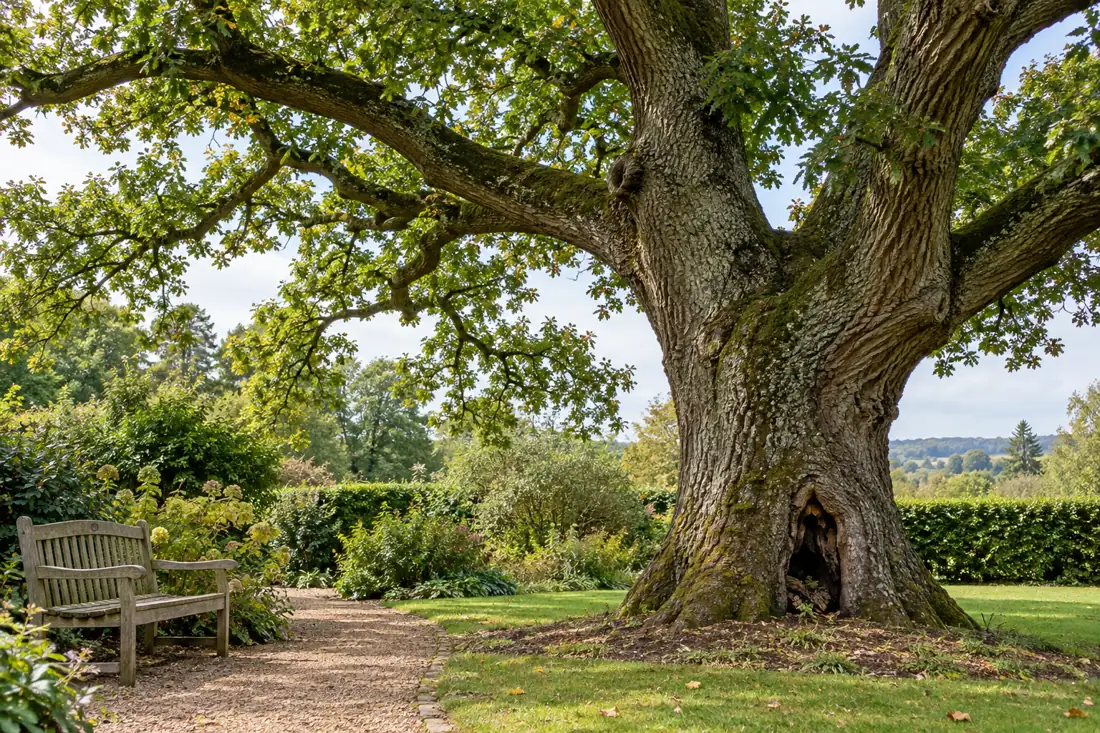
Keep the tree-care and electrical scopes separate in the approval record. Document who evaluates the tree, who specifies the protection system, and what future inspections are planned. If lightning damage is later suspected, reassess the actual tree and system rather than assuming the presence of equipment guarantees no injury. The illustrative scene is not evidence of a certified installation.

Describe access to the property and any restrictions on reaching the tree or working nearby. If another specialist or property manager holds records, name the contact so the documentation can be connected to the correct tree. The first conversation should establish what professional review is required, not ask the customer to perform electrical testing or to diagnose a system from photographs. Keep ordinary grounds maintenance and any proposed tree work coordinated with the review.
Ask who provides the specialist scope
Confirm directly whether Tree Huggers can provide or coordinate the specific review requested, who performs it and what relevant current qualifications apply. This service page does not assert a specialist credential, a particular installation method or guaranteed resource availability. If you need an installation proposal, inspection record or other formal output, state that before arranging a visit so the company can discuss the appropriate scope and expected documentation.
Ask what specifications and current applicable requirements the proposal will follow, who is responsible for each part and how completion will be recorded. Installation, inspection, repair and maintenance are different requests. A broad statement that a tree has protection should not replace a clear description of the work commissioned. Keep the tree identifier, objective and output connected so later owners or grounds teams can understand exactly what was reviewed or installed.
Treat suspected strike damage as a new condition
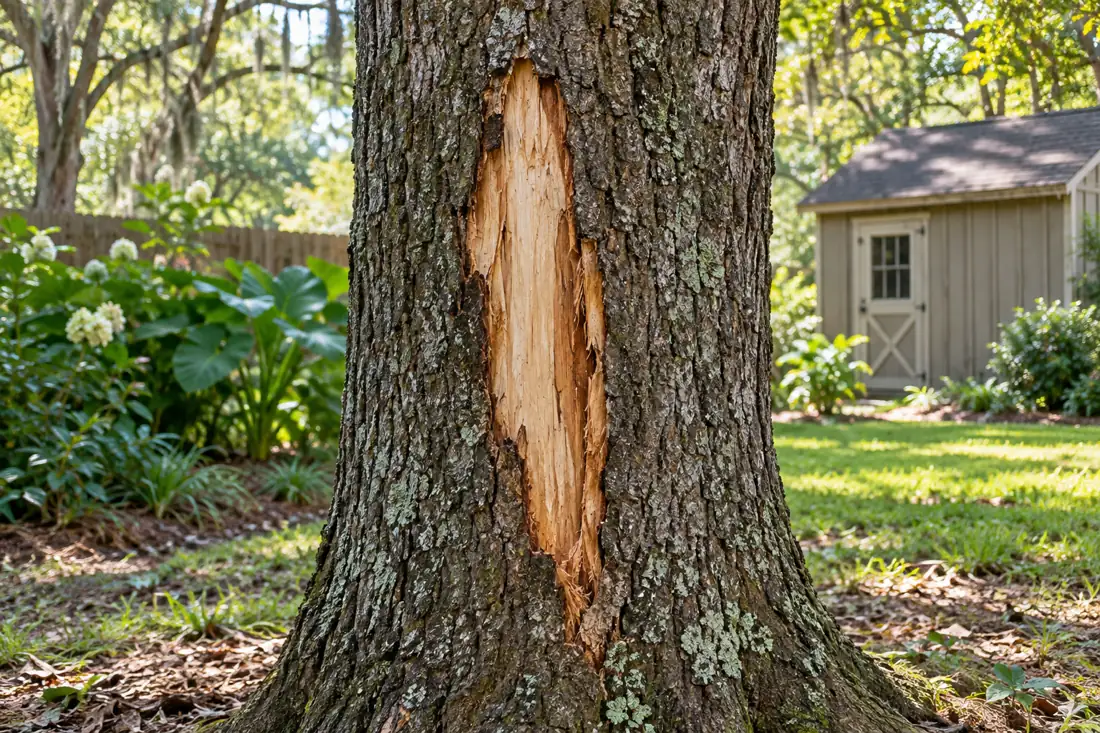
If lightning may have damaged a tree, report when it happened and what was actually observed. Do not assume every bark injury has the same cause. University of California IPM guidance notes that internal or root damage can be significant even when exterior signs appear limited. A tree can need professional review after a suspected strike rather than being judged only by whether leaves remain or a small area of bark is missing.
Keep people away from damaged or unstable material and do not approach for closer photos. Call 504-458-8336 about current tree-work availability. Immediate threats to people or electrical involvement require the appropriate emergency or utility response. The storm overview provides related service context; an online request does not confirm dispatch, arrival time or the safety of returning to the affected area.
Connect protection with the rest of the care plan
Discuss other accepted care tasks and how they relate to the existing or proposed system. The pruning page and cabling and bracing page describe separate service categories. Tree support hardware and lightning-protection components have different purposes. Ask the responsible professionals to coordinate the actual work rather than assuming one kind of hardware supplies the function of the other.
Where an existing installation is present, provide its records before another tree operation is planned around it. Ask what review is needed after relevant changes or damage and who handles that work. A sensible handoff keeps all providers informed without turning every routine tree visit into an implied system inspection. The owner should know which tasks were accepted, what was outside the visit and which follow-up remains with a specialist.
Keep a durable record for the next owner or manager
Save tree identifiers, the accepted scope, relevant drawings or system records, work dates, completion documents and follow-up instructions. Ask the provider how continuing review will be arranged and what changes should prompt contact. Do not infer an unlimited service life or a permanent maintenance-free guarantee from a completed visit. Records are especially useful when responsibility moves between a homeowner, property manager and different grounds contractors over time.
A planning example is an owner considering protection for a valued landscape tree while separately arranging review of an existing trunk concern. Those questions belong in one preservation conversation but may require distinct scopes and specialists. Send the location, safe full-tree photos, known condition history and the output you need so the next step can be discussed clearly.
Protection before a strike is not a damage assessment afterward
Lightning protection is a preventive decision about whether a particular high-value tree justifies a properly designed system and how that system will be inspected. A system does not make a tree invulnerable and it should not be proposed as a substitute for evaluating existing decline, structural weaknesses or nearby utilities. Ask who designs the installation and what ongoing inspection it requires.
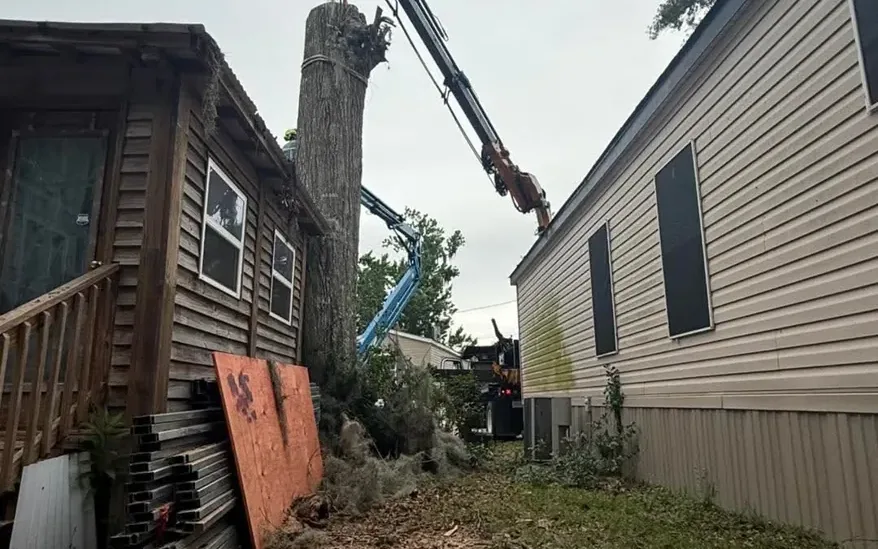
After a suspected strike, the question changes to immediate safety and tree condition. Read the lightning-damaged-tree assessment guide for symptoms and next steps. If the damaged tree threatens a roof or another structure, the structure-adjacent removal guide addresses exclusion areas and controlled handling. Preventive protection, diagnosis and removal are three distinct service scopes.
Evaluate tree lightning protection as a long-term management decision
A lightning-protection conversation begins with why a particular tree merits the expense and long-term responsibility. Height and exposure are only part of that judgment; the tree’s cultural or landscape value, its health, the people and structures nearby, and how it can be inspected all matter. A system should not be offered as a substitute for assessing a decayed trunk, unstable root system or weak primary union. The owner needs a preservation objective and a realistic understanding of what the system can and cannot do.
Ask who is qualified to design and install the components, how the conductor and grounding route will avoid unnecessary tree injury, and how the work interacts with nearby utilities and structures. The plan should describe the installation route, any work-area access restrictions and who will inspect the system later. Improvised wire or hardware attached by an unqualified person can harm the tree and is not a safe alternative to an appropriately designed system.

Match potential benefit to realistic maintenance
Maintenance belongs in the original decision. Tree growth, pruning, other landscape work and weather can change access or affect a protection system over time. Find out whether a formal inspection schedule is recommended and what observations should trigger an earlier review. Keep original design documents and subsequent checks with the property records so a future owner or maintenance team can understand what was installed rather than assuming visible cable means permanent protection.
After a suspected lightning strike, approach the situation differently. Burned bark, newly broken limbs or changed tree condition may warrant a fresh safety assessment before routine maintenance or any system repair. A lightning-protection device does not guarantee that a tree will survive a direct strike, nor does it certify that a struck tree is stable. Describe observed changes and nearby targets from safe ground and ask for assessment appropriate to the actual damage.
Tree Lightning Protection questions
What is the intended purpose of a tree lightning-protection system?
It aims to reduce lightning damage to the tree by providing a preferred path for charge to reach ground.
Can people shelter beneath a protected tree during lightning?
No. A protected tree is not a safe haven from lightning.
Does tree protection protect nearby buildings?
Do not assume that. Building and other protection objectives need the appropriate separate specialist scope.
Should tree condition be reviewed first?
Discuss current condition and unresolved structural concerns before relying on a preservation investment.
Does lightning protection fix decay or a weak union?
No. Those are separate tree-condition questions requiring appropriate review.
What photos help with an inquiry?
Safe full-tree views showing the surrounding site, nearby structures and relevant access are useful.
Should I climb or expose components to inspect them?
No. Do not climb, pull on hardware, uncover buried parts or attempt electrical testing for an inquiry.
How can I confirm who provides the work?
Ask Tree Huggers directly about the specific scope, responsible provider, relevant current qualifications and expected output.
Can a suspected strike be judged by exterior damage alone?
No. Significant internal or root damage can be less obvious; arrange appropriate professional review.
Does submitting a form confirm post-storm dispatch?
No. Call about availability and involve emergency or utility services for immediate threats or electrical involvement.
Is cabling the same as lightning protection?
No. Structural support and lightning-protection systems have different purposes and should be coordinated where relevant.
Which records should an owner keep?
Keep tree identifiers, accepted scope, system documentation, work dates, completion records and follow-up instructions together.
Let’s plan your tree work.
Send the property address, safe tree photos and the result you need. Include access restrictions and the person who can approve the work.