An outdoor condenser is both a physical obstacle and part of a working mechanical system. Identify refrigerant lines, power connections and the clearance needed for service. The tree contractor should not assume it can be moved. Ask how branches and chips will be kept away and whether the HVAC provider needs to be involved before the work window.
Protecting the condenser without creating a new service problem
Take a ground-level photograph that shows the condenser, disconnect, refrigerant lines, electrical conduit and the full gap between the unit and the trunk. That view helps distinguish a branch-clearance problem from a removal requiring controlled rigging above fragile mechanical equipment. A cover that blocks the condenser’s normal airflow is not an acceptable permanent protective measure.
Ask the tree-work estimator to identify the protected drop zone and the path for carrying wood away. If the tree cannot be worked without reaching over the equipment, the scope should state whether temporary shielding or an HVAC contractor is needed. Do not disconnect, move or lean against lines to create working room without the appropriate trade.
Before accepting the estimate, confirm who will photograph existing damage, who will remove temporary protection, and who will verify that the system remains accessible afterward. Ground cleanup should leave drain outlets, condensate lines and service panels unobstructed. This turns a vague promise to be careful into specific observable handoff checks.
Photograph the condenser, its mounting pad, the tree and the narrowest route between them. Keep the unit's electrical disconnect, refrigerant lines, condensate drain and service-clearance requirements visible in planning notes. Limbs near an air-conditioning unit may be addressed by controlled pruning or a different work sequence rather than assuming the entire tree must be taken down. The unit's proximity also affects where cut material may be lowered and stacked.
Do not disconnect, lift or shift an operating condenser to create access on your own. If a temporary move is proposed, coordinate with a qualified HVAC contractor and clarify who arranges isolation, reconnection and functional checks. Ask the tree contractor to identify exclusion space around the system and how debris, bark chips and branches will be kept out of the coil and fan area. Record existing damage and confirm that required service access will remain available after cleanup.
Measure the space between the trunk, condenser, refrigerant lines, electrical disconnect, drainage and service panels. A temporary sheet of plywood can shield against small debris but cannot make a condenser safe beneath an uncontrolled log. Determine whether an HVAC contractor must handle a disconnect, relocation or protection decision before tree removal. The tree crew should not alter refrigerant tubing or energised circuits. Keep the path to the disconnect open so an emergency shutdown remains available.

Measure the real approach and staging space
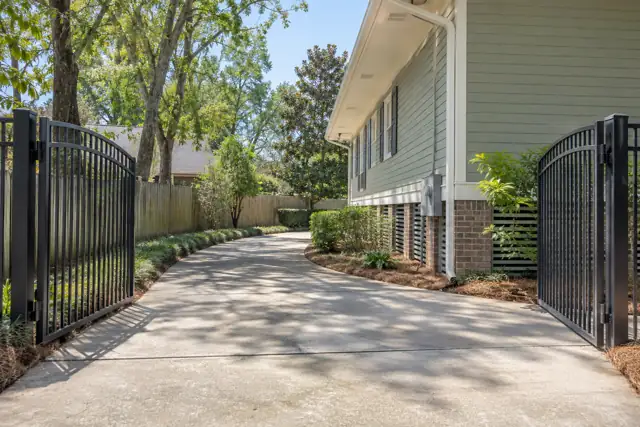
Measure the clear route from the street or driveway to the tree and condenser, including gates, corners, steps, low eaves and surfaces that cannot support equipment. A crew may be able to reach the trunk on foot while still lacking a practical path for moving cut sections away from the house. Photograph the narrowest opening with a recognizable reference for scale. Show where people must pass to reach doors and where the household normally stores trash bins, tools or bicycles.
The work area needs room for both cutting and controlled material handling. A condenser placed in a side yard may reduce the usable landing area to a strip beside a wall, making conventional ground-based handling impractical. Discuss whether material must be lowered in smaller pieces and carried out by hand rather than dragged across the unit or its lines. Do not assume the crew can use a neighbor's driveway, remove a fence panel or occupy the utility side of the property without separate approval.
Make HVAC coordination an explicit dependency. Identify the condenser, service disconnect, refrigerant lines, electrical conduit and required technician access before planning tree removal. A shield against small debris is not a guarantee against falling limbs or equipment contact. If a unit may need isolation, relocation or reconnection, those actions belong to a properly qualified HVAC or electrical professional and should be arranged outside the tree crew's assumptions. Ask who will photograph the prework cabinet and fins, protect open service areas where suitable, and inspect for chips or branches afterward. Explain any cooling interruption and tenant notification through the property manager without promising an exact restoration time that the tree contractor cannot control.
Ask exactly where sections will be lowered and how chips will be kept out of coils and drains. Do not cover a running outdoor unit in a way that restricts airflow. Photograph the equipment, mounting pad and visible line set before work. Include removal of debris around the unit in cleanup, and document whether any equipment testing or HVAC repair belongs to a separate contractor.
A condenser that still starts after the job may nevertheless have bent fins or obstructed airflow, so a careful visual handoff matters.

Coordinate electrical clearances and HVAC responsibilities separately
An outdoor condenser is only one part of a cooling system. Note the refrigerant line set, electrical disconnect, drain and service path near the tree. Do not assume a blanket or plywood cover makes the unit safe from falling material. Equipment requires working clearance and airflow that temporary protection cannot permanently obstruct. If a removal plan involves the unit or its connections, identify a qualified party authorized to isolate or reposition the equipment.
A useful estimate request includes a wide view of the tree and condenser, the approach from the gate, and any overhead lines or service drop. Keep people away from damaged conductors and refer electrical hazards to the utility or an appropriate licensed professional. Ask the tree specialist to distinguish wood-control methods from HVAC disconnection and restoration. Confirm who checks system operation afterward; removing a tree does not certify the cooling equipment’s condition.
Map the condenser and its connected equipment
The outside air-conditioning unit is not simply a metal box that can be pushed aside while a crew works. Its refrigeration lines, electrical feed, service disconnect, condensate arrangements and concrete or composite pad all affect the surrounding work space. Before the estimate, note the location of the condenser relative to the trunk, low limbs, fence and house.
Photograph the unit and lines from a safe standing position without reaching behind panels or touching any electrical connection. Explain whether the system is operating normally before tree work is proposed.
A tree can be several feet from the condenser yet still place heavy limbs directly above the fan housing or line set. A survey must consider the path a branch would take while being lowered, not just the direction in which it points while attached. The technician who services the HVAC system may have clearance requirements that are different from the tree crew's access needs. Keep those two sets of requirements explicit so neither contractor assumes the other has authorized an unsafe shortcut.

Separate falling-wood control from electrical safety
A limb moving toward an air-conditioning condenser creates a strike risk, but the nearby service disconnect and power feed also create an electrical exposure that cannot be solved with plywood alone. Ask the tree contractor to identify both hazards before describing how wood will be controlled. The homeowner should not touch electrical connections, refrigerant tubing or an energized service panel to make room for tree work.
If conductors, the utility service or other electrical equipment may be within the working envelope, the crew must determine which qualified people or utility representatives need to be involved. A tree-removal estimate is not a substitute for licensed electrical or HVAC work. Show the estimator the condenser from the driveway and the side of the house, without entering a hazardous drop zone.
Keep the air-conditioning service envelope clear throughout removal
An outdoor condenser needs both physical protection and continued room for ventilation and servicing. Photograph the cabinet, nearby tree base, line-set connections, disconnect box and the narrowest access gap from safe ground level. Tell the estimator about any service appointments or known equipment issues so routine maintenance is not mistaken for tree damage.
A heavy cover left on an operating unit can create a different hazard; protective materials and operating status should be coordinated with the appropriate HVAC professional. Do not disconnect refrigerant lines, move a cabinet or alter its electrical supply as a homeowner tree-work preparation step.
The tree crew needs to know that the unit is fixed equipment, not movable yard furniture.
The estimate should explain how branches and chips are prevented from contacting the cabinet, fan, pipes and connected lines during each stage. If the unit's location makes the tree route impossible, an HVAC professional should advise on any needed isolation or relocation; that is not automatically included in a tree quote.
Keep the work zone away from doors or walkways needed by residents, and ensure cleanup removes loose debris from around the cabinet without tampering with internal parts. Afterward, a homeowner can check visible external conditions and arrange qualified service if cooling, noise or electrical operation changes. A visibly undamaged shell does not guarantee that connected equipment is functioning normally.
Decide who is responsible for HVAC protection
Ask the tree estimator whether the proposed approach requires any change to the air-conditioning equipment itself. A tree contractor should not disconnect refrigerant piping, alter high-voltage wiring or relocate the system under an ordinary tree-removal scope. If the unit needs to be temporarily isolated, covered in a specific way or moved, arrange that through an appropriately qualified HVAC or electrical professional. Confirm who coordinates the sequence and who gives permission for equipment to be restarted when the surrounding area is clear.
An owner may be tempted to switch off the thermostat and assume the condenser is safe to work around. Turning the system off does not remove every electrical or physical risk. The work plan should distinguish ordinary occupant preparation from any technical isolation required by the relevant trades. Write these responsibilities into the estimate or accompanying project notes before the start date. That protects everyone from an appointment where the tree crew arrives but a necessary HVAC decision has not been made.
Choose protection that does not interfere with equipment operation
A temporary shield may reduce the chance of chips or small debris entering a cabinet, but covering the unit while it operates can restrict the airflow it needs. Ask who will decide whether the system should be turned off during the work, how that instruction will reach household occupants and who will inspect protection before the equipment is restarted. Do not rely on an unapproved tarp as a universal solution.
The crew should also distinguish shielding from physical relocation. Moving a connected condenser can affect refrigerant lines, electrical connections and the pad supporting the unit. If the proposed cutting plan requires displacement rather than simple shielding, obtain an independent qualified HVAC assessment before assuming that change is included in the tree quote or safe for the system.
A/C Condenser Protection and Service Access
The condenser's cabinet may look sturdy, but its coils, fan grille, electrical whip and refrigerant connections are vulnerable to small impacts and heavy brush. Moving the unit, bending a line or disconnecting power is not ordinary tree work. If a branch cannot be lowered without involving the equipment, coordinate a qualified HVAC technician before the tree crew begins, not after a near miss.
Measure from the tree to the condenser and from the condenser to the building; include the direction in which the low branches lean. The crew may need a different rope position or smaller pieces when a cabinet sits in the most convenient landing area. Keep the service clearance around the equipment visible during planning so a temporary protective barrier does not force workers or machinery into the wrong space.

A functional condenser still needs room to breathe
Fresh sawdust, bark chips and leaves should not be packed around the base or pushed into the coil fins. Heavy plywood or blankets placed directly over a running condenser can obstruct airflow, leading to performance problems. Agree on when the unit will be off, who controls the power, and whether any temporary shielding will be removed before normal operation resumes.
The final check should include cabinet alignment, unobstructed airflow, intact exposed lines and a clean pad. A tree crew can document visible condition but cannot certify refrigerant charge or electrical performance. If the system operates differently after the job, have a qualified technician evaluate it rather than relying solely on before-and-after appearance.
Separate power-line concerns from HVAC lines
Overhead electrical service and the power feeding a condenser are distinct hazards, even when they occupy the same side yard. Identify service drops, the meter location and any visible conduits from a safe vantage point, then share those observations with the estimator. Never approach or move a wire or a tree touching a wire. If a branch is interacting with electrical infrastructure, stop the ordinary estimate process and seek guidance from the utility or emergency services as appropriate.
Refrigerant lines and insulated electrical conduits can look like innocuous pipes in photographs. Mark their approximate location for the contractor without attempting to expose or manipulate them yourself. The crew should treat hidden connections as unknown until the appropriate professional verifies them. Any temporary shutdown, isolation or service coordination belongs in the project plan, with a clear person responsible for each step. This avoids confusing property access permission with authorization for unrelated mechanical or electrical work.
Choose a controlled sequence rather than a drop zone
The safest workable method depends on the tree's condition, limb structure and surrounding constraints, not on a homeowner's preferred equipment. When the condenser occupies the area beneath a limb, a qualified crew may need to manage that limb in controlled sections while keeping the load away from the equipment and building. Ask the contractor to explain the protection concept in plain language and what would trigger a change of method. Avoid requesting a particular cut or rigging configuration based on a video.
The estimator also needs to know whether the condenser cycles frequently, whether pets or children use the adjacent yard and whether service workers need access during the tree job. These details influence exclusion areas and timing. Clear a safe occupant route before the work begins and avoid opening the side gate while cutting or hauling is underway. A plan that controls movement and keeps the mechanical area protected matters more than a promise that nothing will ever touch the ground.
Map the narrow service zone around the cabinet
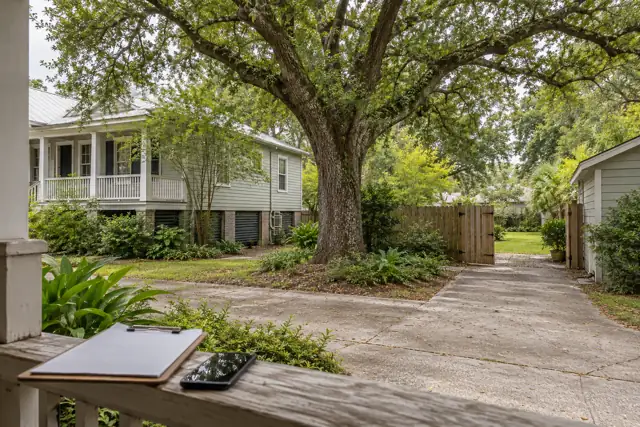
The cabinet's outer dimensions do not tell the whole story. There may be exposed refrigerant line insulation, a wall penetration, a condensate outlet, a disconnect, a drain, a low-voltage cable or a service clearance behind foliage. Record these features in a few broad photographs, then ask the estimator to walk around the actual equipment without stepping across an unsafe branch or root area.
Describe whether the tree is over the unit, beside it or leaning from an adjacent lot. Those situations change where material could move and where workers could stand. A good scope identifies which vegetation is being removed, which must remain and where debris will be lowered or carried, rather than promising that the condenser will be protected without an actual method review.
Limit chip, dust and impact exposure
Tree removal can produce leaves, bark, sawdust, chips and small fragments long before the heaviest sections are moved. An outdoor condenser relies on airflow and should not be treated as a convenient surface for logs, tarps or tools. Ask how debris will be directed away and which preparations are appropriate for the equipment. Any covering must follow the HVAC professional's guidance; operating a unit with an unsuitable covering can create its own problem. Confirm that no material will be piled against the cabinet.
The finish standard should address the air-conditioning area specifically. Branches and chips may gather behind the pad, beneath line covers or in the strip between condenser and fence even when the main yard appears clean. Agree on accessible cleanup without requiring a tree crew to open or service mechanical equipment. If you notice an unusual noise, vibration, damage to a line or loss of cooling afterward, report it to the appropriate service provider and document the observation rather than attempting an improvised repair.
Discuss the lowering route and the fall-zone boundary
Where branches extend above mechanical equipment, the critical question is not simply whether they can be cut. It is where each section may travel during the operation and what happens if its path changes. Ask the qualified tree crew to explain at a high level how the exclusion area, ground crew positioning and equipment access will be evaluated. Homeowners should stay outside the controlled area rather than directing sections from beneath the canopy.
Do not require a particular rigging method in advance of the site assessment. A method suitable for one tree may be wrong when trunk condition, attachment points, overhead wires or adjacent structures differ. The written proposal should identify any prerequisite specialist visit, service shutoff or protective work without claiming that a photograph alone proves a safe removal plan.

Request an estimate with the constraints visible
A useful request includes photographs of the full tree, the condenser from several angles, the connected lines, the side-yard entry and the route where material would leave the property. Mention known damage, recent HVAC service and any upcoming appointment that makes the area unavailable. Include the desired tree outcome, whether a stump remains, who keeps wood and what hauling or surface cleanup you expect. The more complete this description, the less likely the quotes are to conceal different assumptions about access.
When comparing contractors, ask where their proposed scope begins and ends. One quote may assume the unit remains in place and sections are carried out; another may exclude HVAC coordination or offer a different removal endpoint. Ask each contractor to confirm what happens if the site cannot support the assumed method. Do not choose based on price until the technical responsibilities, access permissions, debris handling and completion conditions can be compared on the same basis.
Control sawdust, chips and cleanup without damaging the system
Small fragments can end up in the condenser fins, cabinet openings, fan area, garden beds and service walkway even when no major limb strikes the unit. Ask whether the finish includes collecting obvious woody debris from accessible surfaces and leaving equipment clear enough for a later specialist inspection. Blowing chips into delicate coils or washing electrical components is not an appropriate homeowner cleanup substitute.
Keep a photograph of the cabinet and surrounding surfaces before work, then repeat the same angle afterward from a safe location. If a grille appears bent, a line seems displaced or new vibration is noticed, stop treating the problem as routine yard cleanup and ask a qualified service provider to evaluate it. The tree crew's completion review should distinguish observed condition from any mechanical diagnosis.

Inspect the finished area and keep records
Before the crew leaves, walk the accessible perimeter with the agreed scope in hand. Look for branches, loose chips or equipment left near the condenser, and confirm that the access route, gate and movable items are returned to the agreed state. Photograph any concern from a safe distance and note it on the completion record. Do not lean into a confined gap while machinery is active or attempt to verify hidden refrigerant and electrical connections by touch. A visual handover is not an HVAC performance certification.
Store the contractor's written scope, site photographs and any HVAC service notes together. If the system later develops a problem, accurate dates and pre-work observations help the proper specialists distinguish unrelated wear from a potentially affected component. Tree Huggers can discuss the tree-work portion of a project, but a submitted estimate request is not a confirmed appointment or a promise about work by another trade. Clear records and defined responsibilities create a much better homeowner outcome than an informal assurance.
Close the job with clear responsibility and a usable record
Before work starts, confirm who will communicate with the HVAC technician, who authorizes any system downtime and whether access to the side yard or service panel must be arranged. Record whether protective panels, temporary barriers or professional inspections are included in the tree contractor's written scope. A general cleanup line does not automatically cover testing, refrigerant repairs or restoration of a damaged mounting pad.
After the site is clear, compare the finished tree clearance with the agreed scope. Look at ground surfaces, the service walkway and the vegetation left near the unit, but do not handle equipment that appears damaged. Retain photos and a copy of any specialist report with the estimate and final invoice. That creates a useful history without assuming damage or guaranteeing a cooling outcome.
Questions about this project
Can I identify a safe wire by looking at it?
No. Do not approach or touch wires, a tree contacting them or connected objects to investigate. Keep clear and contact the utility or emergency services when there is an immediate electrical hazard.
Does a tree estimate include utility disconnection?
Only if the appropriate coordination and responsibilities are explicitly arranged. Utility work may require the service provider or another qualified party. Confirm those arrangements before assuming the tree crew can proceed near affected services.
Which property features should I point out?
Identify buildings, vehicles, fences, fixed fixtures, landscape features, utilities and occupied routes. Explain what can move and what must remain. Include existing damage and any buried features you know about along the access route.
Should people remain inside the work area?
The contractor and site contact should establish an exclusion area and access arrangements appropriate to the work. Keep children, pets, visitors and other workers outside the active zone until the responsible parties say it can reopen.
What access information helps an estimator?
Send the narrowest opening, overhead obstacles, turns and the distance between the tree and the loading area. Include photos of the entire route and identify steps, soft ground or features that must remain protected.
Should I remove a fence before the visit?
First ask the contractor to assess access and agree on any temporary opening. Identify who owns the fence, who can authorize the change and who will reinstall it. Do not assume the opening is necessary or included.
Does cleanup include every root and wood chip?
That depends on the written scope. Tree removal, stump grinding, chip hauling and root excavation are different tasks. Ask what material is removed, what remains and whether soil or landscape restoration is separately included.
What should a final walk-through check?
Compare the identified trees and tasks with the agreement. Check agreed debris handling, stump treatment, access openings and any listed restoration. Record unresolved items clearly instead of relying on a general impression that the property looks finished.
What should I compare besides the price?
Compare tree identification, work objectives, access assumptions, hauling, stump treatment, site finish and exclusions. Ask whether permits or other coordination are part of the scope and who can approve changes if conditions differ.
Does an online request book the crew?
No. A request starts the estimate conversation. The company still needs to discuss scope, availability and any site assessment. For a dangerous or urgent condition, call 504-458-8336 rather than relying on a form response.
What should I tell Tree Huggers about tree removal near an air conditioning unit?
Explain the property address, the work you want and the specific concerns: condenser location, connected lines, service clearance. Send safe photos of the tree, surroundings and access route. The contractor can then discuss the assessment and scope needed for this situation.
How do I request an estimate for this work?
Call 504-458-8336, text photos or use the estimate form on this page. Include the address, desired outcome and any timing constraints. The company will need to review scope and availability; an online request does not confirm a price, appointment or emergency dispatch.
Get a scope for your property
Photograph the condenser and its line connections from several safe angles. State whether cooling must stay on during the work and ask the crew to identify when an HVAC professional is needed.