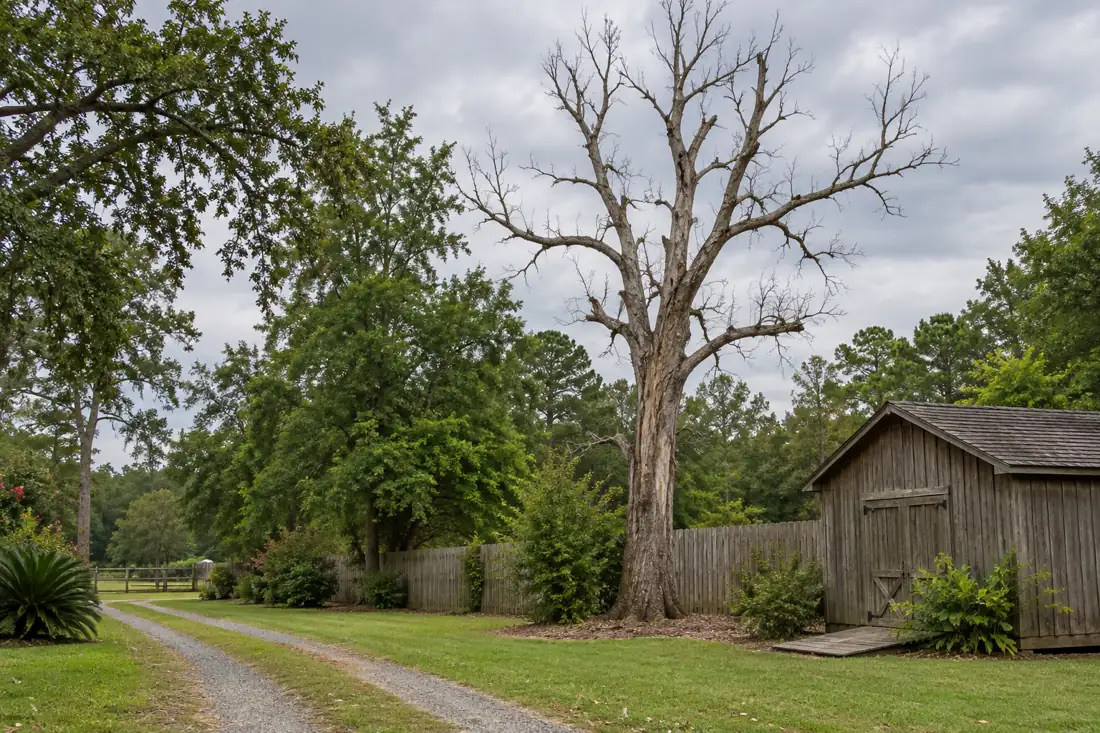
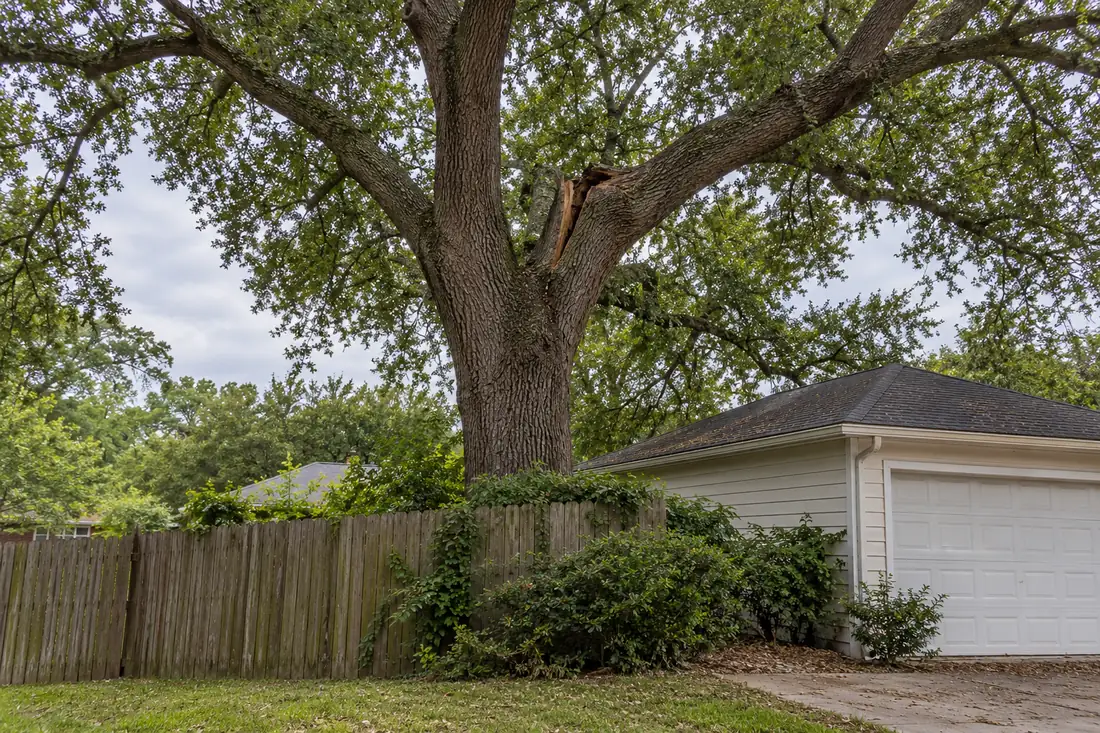
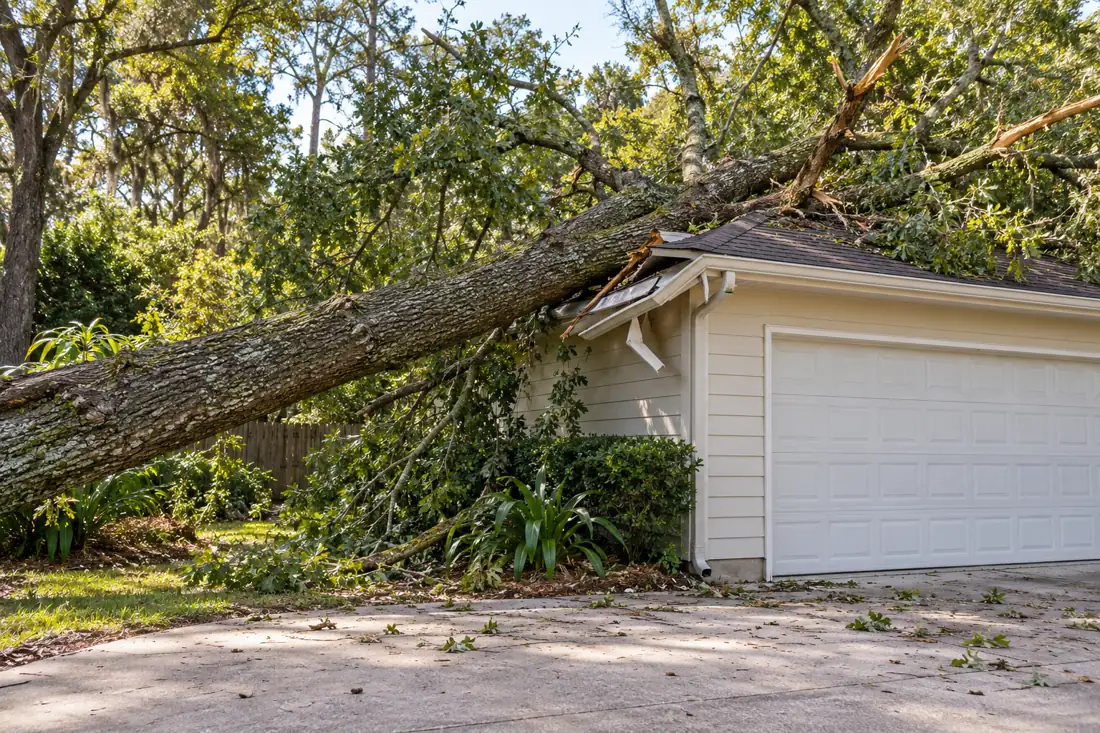
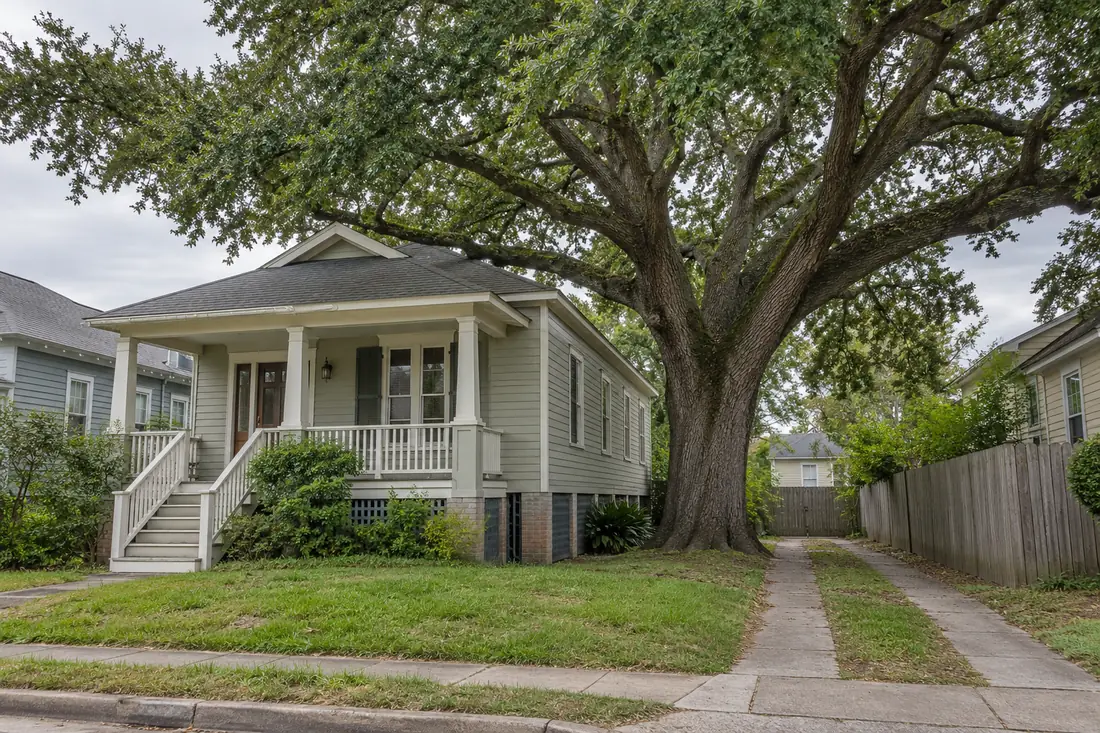
Outdoor living areas create a group of targets that can be difficult to move. Kitchens may have gas, electric, water and drainage connections; patios may cover roots or underground infrastructure. Show the complete area during the estimate so protection, access and cleanup can be priced with the removal rather than discovered after the equipment arrives.
For this project, separate fixed fixtures, utility connections and surface protection. These details help the contractor understand what must be protected, what information needs confirmation and what result you want from the work. A clear request is more useful than an assumed method or a price based only on tree size.
An outdoor kitchen can contain gas, electrical feeds, water lines, drains, built-in refrigeration and lighting under nearby paving. Identify each connection and any concealed conduit before deciding how wood or equipment can pass. Stone counters, tile corners, pergolas and grill enclosures can be chipped by a swinging section or dragging rope. Ask for a cutting and handling sequence that treats these features as fixed targets unless a qualified trade has made them safe or the owner has removed them.
Record furniture, screens, fire pits, planters and overhead shade structures in pre-work photographs. Confirm which items the owner will relocate and which must stay protected. If pavers need to be lifted or a kitchen component disconnected, name the responsible trade and the restoration standard; tree-service scope should not imply unapproved gas or electrical work. At cleanup, check small debris around drains and appliances, and note whether the work area can be returned to normal use without a separate inspection or repair.
Treat the patio as a collection of connected systems
An outdoor kitchen or patio is more than a slab of concrete beneath a tree. It may contain buried gas or electrical service, water pipes, drains, lighting, fixed grills, stone countertops, seating walls, overhead shade structures, and decorative finishes. A tree-removal plan should identify which parts are fixed, which can be moved, and which connections require a qualified trade to evaluate. The tree crew should not be asked to guess where private services run.
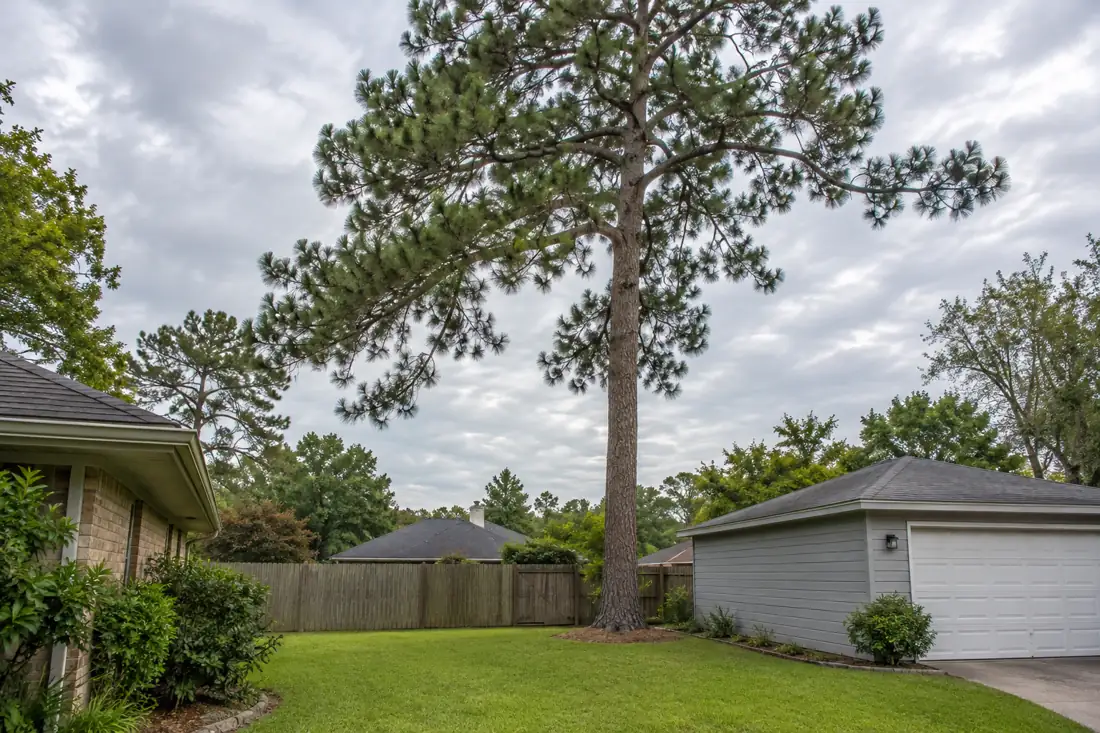
Take a wide photograph from the house showing the trunk, canopy, patio, and access gate. Add safe photographs of the kitchen base, visible utility entry points, pergola posts, and any pool or drainage features nearby. The goal is to show the relationship of targets, not to expose personal details or approach a damaged limb. Mark uncertain underground features as uncertain rather than asserting an exact location.

Inspect overhead and ground-level conflicts together
A low branch may hang above a pergola while the trunk stands beside a delicate paver surface. The overhead clearance and the ground conditions influence different parts of the operation. Material may need to be controlled in sections, and the crew may require a staging or equipment position outside the patio itself. A truck parked on a driveway could still affect landscaping, walkway corners, or private underground lines along the route to the tree.
List vulnerable items such as glass railings, awnings, fans, speakers, lighting strings, and mounted televisions. Move portable furniture and accessories when requested. Never assume a tarp or plywood sheet provides complete protection from tree material or equipment loading. The practical plan should describe which parts of the area can remain in place, what should be temporarily removed, and what work methods are feasible.
List patio fixtures and hidden services before choosing a removal method. An outdoor kitchen may have buried gas or water supplies, electrical circuits, drain lines, lighting, retractable shade and easily damaged stone surfaces. Show the estimator where appliances, countertops, seating, pergolas and pool barriers sit relative to the trunk and expected rigging path. Identify removable furniture and fragile items in advance; do not represent a decorative cover or patio roof as load-rated protection for tree sections. Request a written description of temporary surface protection, equipment access and final debris collection. Confirm whether repairs to grout, pavers, irrigation or utilities are expressly excluded or priced by an appropriate trade. This keeps expectations separate from the tree-removal scope.
Inventory the outdoor kitchen before defining the tree exclusion area
A built-in grill, gas line, countertop, low-voltage lighting, water connection and pergola can occupy the same small space beneath the tree. During the site visit, list each fixed feature and photograph it from outside the expected work zone. Make the estimator aware of underground connections if plans or reliable knowledge exist; a line hidden behind masonry should never be treated as absent.
Outdoor kitchens also create surfaces vulnerable to falling chips and hard-to-clean debris. Discuss where children and guests normally enter the patio and arrange an alternative route, because a familiar entertaining area cannot remain in ordinary use while overhead cutting is underway. The goal is a tree-work boundary that fits the real space.
Ask for two separate descriptions: how cut material will be handled above the patio and what will be cleaned afterward. Moving furniture is different from protecting fixed stone, glass, fixtures or plumbing. If a pergola, screen section or kitchen appliance must be disconnected or dismantled, identify the appropriate qualified trade and make that a separate authorization instead of an undocumented assumption.
Do not rely on tarps as a substitute for controlling suspended wood. Where the tree is being removed to accommodate a future patio redesign, explain the proposed construction footprint now so the stump and root decisions can be evaluated together. Final review should compare the agreed protected features and the specified cleanup with pre-work photographs.
Define the purpose before specifying the cutting method
A homeowner may request removal to address a damaged tree, reduce conflict with a planned outdoor remodel, recover sunlight, or resolve a branch over a roof. Each reason can lead to a different scope. A healthy tree near a patio is not automatically dangerous, and pruning may be considered where the objective is limited clearance. Conversely, a structural defect cannot always be solved by cutting a few visible tips. The decision depends on the assessed tree, the construction plans, and the targets.
Explain whether the kitchen is finished, under construction, or due for demolition. If contractors plan to pour new concrete or install utilities, their drawings may affect access and root-zone decisions. A tree company can discuss tree work, but it should not imply that its estimate replaces utility locating, structural engineering, or the contractor responsible for the outdoor kitchen.
Arrange safe utility coordination before the work starts
Outdoor kitchens may use both permanent and flexible service connections. Photograph accessible shutoff locations for the responsible trade and disclose known service routes, but do not disconnect gas or electrical equipment without appropriate qualifications. The contractor may need information from utility providers or the trades that installed the kitchen. If underground lines are poorly documented, the uncertainty should be resolved before a machine occupies the area.
Pay special attention to exterior outlets, pool bonding, landscape lighting, irrigation, drainage, and buried wiring feeding patio equipment. Some features are privately owned and may not be identified by a public utility marking service. Treat a new outlet or a recently installed grill as a reason to review the site plan, not proof that all services follow an obvious path. Ask how known and unknown features affect the proposed work zone.
Protect pavers, stone, and landscaping realistically
Decorative pavers and stone surfaces can shift, crack, stain, or settle if loads are concentrated or subgrade conditions are unsuitable. A rubber mat or ground board may help with some operations but does not guarantee that a delicate surface can carry equipment. Soil moisture and recent installation can matter. Ask the contractor where loads will be placed and whether a different route or smaller material handling method is preferable.
Plan for dust, chips, sawdust, and loose leaves that may enter outdoor drains and kitchen cabinets. Move cushions, cooking utensils, and removable décor before the job if practical. Discuss surface cleanup as a separate finish item instead of assuming that tree debris hauling includes pressure washing, grout repair, drain clearing, or landscape replacement. These distinctions make the quote easier to understand.
Map the outdoor-kitchen connections first
An outdoor kitchen may include gas, electricity, water, drainage, lighting, and anchored counters even when most of the visible space looks like ordinary patio paving. Before choosing a cutting or staging route, distinguish movable chairs and planters from built-in islands, grills, pergolas, and countertop overhangs.
Ask whether the work requires temporary access to shutoffs and whether protective barriers would interfere with safe equipment movement. A stone counter or patio slab should not be treated as a load-bearing support point without evidence. If branches pass above cooking equipment, lowering and debris handling should be planned around the fixed obstacles rather than assuming everything can be cleared afterward. Show the entire tree and each kitchen connection in separate safe, wide photographs.
Tree Removal Near a Patio or Outdoor Kitchen
Outdoor entertaining areas combine several types of exposure in one compact space. The visible patio may look open, but gas piping, outlets, buried drains, low-voltage lights, irrigation and thin-set pavers can restrict equipment routes. Before discussing a removal method, prepare an inventory of permanent features and movable chairs or planters; show both the tree and the kitchen in the same wide photograph.
Tree work should not be planned around an active grill or occupied patio. Ask which utilities need professional isolation and who is responsible for those arrangements. A crew should determine where material can be supported, lowered and staged without imposing loads on fragile stone edges or countertops. Never assume that a decorative wall or kitchen frame could support rigging.

Protect the built features and clarify what is movable
Clarify the distinction between protective preparation and repair work. Mats or other surface protection may reduce certain risks, but they do not guarantee that pavers will remain unchanged or that soft soil beneath them can support heavy equipment. If settlement, uneven joints or cracked tiles already exist, photograph them beforehand and keep that record with the written estimate.
After the work, the finish may involve leaf and wood cleanup around the built area, but appliance recommissioning, plumbing checks, pressure washing or paver reconstruction are different services. Ask the estimator to specify what is included and whether access restrictions change debris-handling choices. A good scope should keep tree removal, property protection and finish expectations distinct.
Set up a work zone that excludes ordinary patio activity
A patio may be the home's main route for pets, children, guests, or deliveries. Tree work can create overhead hazards well beyond the trunk footprint; people should not use the grill or walk beneath active operations. Agree on which doors and gates will be closed and how residents can reach the yard safely without crossing the work area. The crew must establish the actual exclusion zone based on the method and site conditions.
If the home is used for short-term rentals or events, do not schedule guests to occupy the patio during removal. Coordinate with cleaning staff, landscapers, and other contractors so their tasks do not overlap. If weather changes the operation, maintain the restriction until the responsible crew indicates the area may be used again. A planned timetable is not permission to enter early.
Make tree debris and kitchen cleanup separate line items
Removal produces branches, foliage, log sections, and potentially stump material. Ask whether wood will be chipped, hauled, or placed somewhere on the property, and how material will travel past the patio. A quote that says cleanup included may still exclude washing grease-prone countertops, clearing an outdoor sink, or repairing incidental damage. Specify the standard of finish that matters to the homeowner and what is outside the tree contractor's scope.
If the stump sits within or beside the patio foundation, grinding depth and machine access should be discussed before the owner commits. Grinding can disturb nearby soil or leave wood chips, and a shallow utility route may limit what can safely be done. Repairing a paver pattern or replacing a concrete section is a separate project unless expressly included. Coordinate that later phase rather than promising a seamless finish without inspection.
Handle redesign plans without creating a new tree problem
A future patio expansion can tempt homeowners to remove roots or excavate near a tree that they intend to keep. Root disturbance and changed drainage may affect long-term tree health. Before construction, explain which trees are staying and where heavy equipment, material stockpiles, trenches, and washout areas are proposed. If a tree is being removed, ask about adjacent retained trees whose roots may occupy the same ground.
A contractor responsible for the patio should coordinate with the tree professional when the design and tree-management decisions overlap. Avoid assuming that trimming the visible canopy resolves a root conflict or that root cutting has no structural consequence. A workable plan separates present tree removal, protection of neighboring trees, and the new construction scope so each trade can price its responsibilities.
Ask for a finished condition you can verify
At the end of the project, compare the agreed tree and stump work against the original scope. Walk the access route from a safe location and note any outstanding debris, temporary coverings, damaged fixtures, or parts requiring another trade. Photos of actual completed work can document the result, but they should not be labeled as proof that hidden services were unharmed or future settlement cannot occur.
When contacting Tree Huggers, send clear photographs showing the full tree, outdoor kitchen and intended access path. Mention known gas, electric, irrigation, and drainage systems, the patio materials, and whether a remodel is pending. Ask what must be inspected before a final quote and which exclusions belong in the agreement. That approach produces a useful tree-service conversation without inventing a price, a response guarantee, or a customer success story.
Protecting Outdoor-Kitchen Connections During Access
An outdoor kitchen is often built into the patio rather than standing on top of it. Gas feeders, low-voltage wiring, water supply, drains, lighting and appliance vents may cross the proposed equipment or hauling path. The owner can identify known equipment and share drawings, but should not disconnect live electrical or gas systems for a tree crew. When isolation, removal or testing is required, make the qualified trade's scope and the timing explicit before tree work begins.
Photographs should show the entire approach from the street, each tight turn, the counter and roofline, and the surfaces that cannot be moved. Clarify whether the crew will walk branches out by hand, stage wood elsewhere or use independently assessed lifting equipment. Record who removes loose chairs and planters, who protects fragile finishes and how permanent damage concerns will be documented. Cleaning ash, grease or a connected grill appliance is not implied by removing branches from the patio.
- List fixed utilities and appliances as separate protection points, not just 'patio items'.
- Identify movable objects the owner will relocate before the crew arrives.
- Agree on a route and a final surface inspection without promising hidden-utility integrity.
Questions about this project
Will a utility locate show every private line?
Do not assume it will identify all irrigation, pet-fence, drainage or other customer-owned systems. Provide available plans and ask what additional locating or coordination is needed for the actual work and access area.
Who should arrange utility-related preparation?
Set that responsibility before scheduling. The property contact, contractor and relevant providers need to identify who handles locating, disconnection, relocation or separate repair work. Uncertain utility information should be resolved rather than guessed.
Which property features should I point out?
Identify buildings, vehicles, fences, fixed fixtures, landscape features, utilities and occupied routes. Explain what can move and what must remain. Include existing damage and any buried features you know about along the access route.
Should people remain inside the work area?
The contractor and site contact should establish an exclusion area and access arrangements appropriate to the work. Keep children, pets, visitors and other workers outside the active zone until the responsible parties say it can reopen.
Can the removal method be selected from a photo?
Photos help prepare the discussion but may not show defects, ground conditions or usable access. The contractor may need an on-site assessment before confirming the method, equipment and final scope for the property.
What if the tree changes before the appointment?
Tell the contractor about a new split, failed branch, changed lean or other visible change. Keep clear of the affected area. Changed conditions may require a different assessment, priority or work plan before the crew proceeds.
Does cleanup include every root and wood chip?
That depends on the written scope. Tree removal, stump grinding, chip hauling and root excavation are different tasks. Ask what material is removed, what remains and whether soil or landscape restoration is separately included.
What should a final walk-through check?
Compare the identified trees and tasks with the agreement. Check agreed debris handling, stump treatment, access openings and any listed restoration. Record unresolved items clearly instead of relying on a general impression that the property looks finished.
What should I compare besides the price?
Compare tree identification, work objectives, access assumptions, hauling, stump treatment, site finish and exclusions. Ask whether permits or other coordination are part of the scope and who can approve changes if conditions differ.
Does an online request book the crew?
No. A request starts the estimate conversation. The company still needs to discuss scope, availability and any site assessment. For a dangerous or urgent condition, call 504-458-8336 rather than relying on a form response.
What should I tell Tree Huggers about tree removal near a patio or outdoor kitchen?
Explain the property address, the work you want and the specific concerns: fixed fixtures, utility connections, surface protection. Send safe photos of the tree, surroundings and access route. The contractor can then discuss the assessment and scope needed for this situation.
How do I request an estimate for this work?
Call 504-458-8336, text photos or use the estimate form on this page. Include the address, desired outcome and any timing constraints. The company will need to review scope and availability; an online request does not confirm a price, appointment or emergency dispatch.
Get a scope for your property
For tree work near an outdoor kitchen, include a wide canopy photo, the patio's available exits and ground-level views of the grill, countertop, gas supply, drains and fixed lighting. Note what can be moved and what must remain in place during the work.