Tree work around historic homes, campuses and busy streets
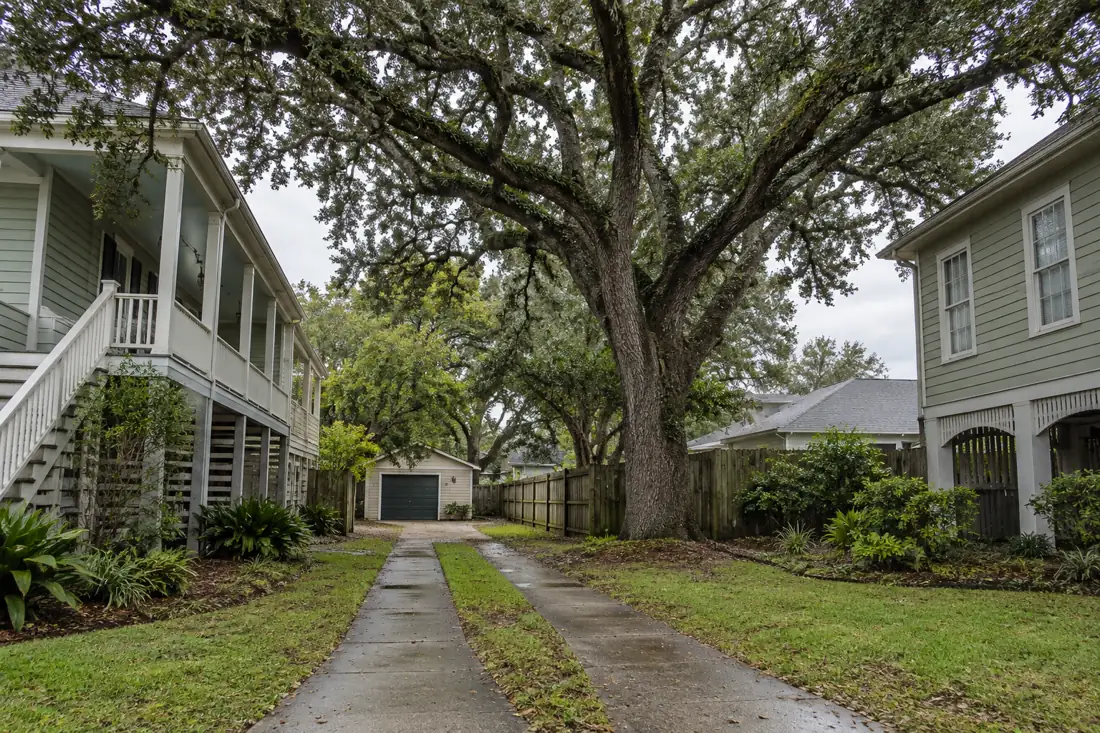
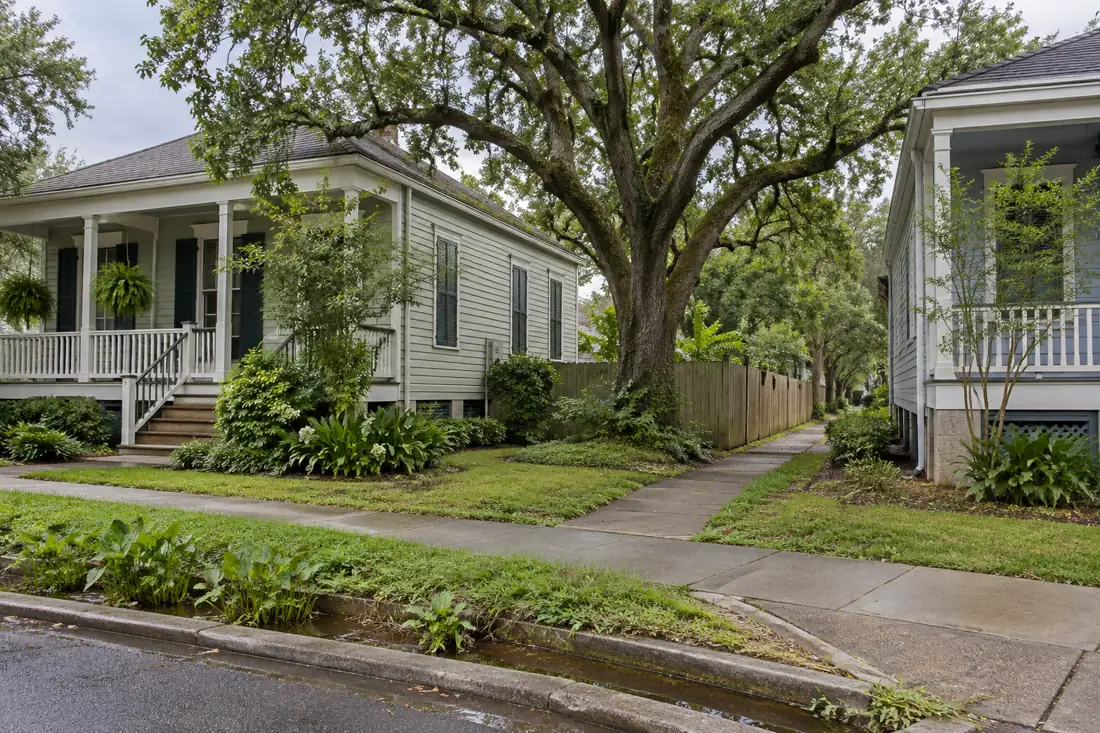
This part of Uptown combines mature canopy, older homes, pedestrian traffic, narrow streets and limited staging space. Tree work may require extra attention to traffic, neighboring property, utility drops and controlled lowering of limbs.
Tree Huggers provides pruning, removal, stump grinding and high-risk work with the method selected around the actual site rather than forcing one approach onto every tree.
Identify the actual property and authorized purchaser
Begin with the address and explain whether the request concerns a private house, rented building, managed property or institutional facility. This page describes area inquiries; it does not imply a university relationship, campus contract or authority to work on any particular institution’s trees. Give the owner or authorized facilities contact so the first conversation can establish who directs the work and what property the request actually covers.
A tenant or resident may provide helpful photos without controlling the tree or route. Distinguish gathering information from authorizing a task. The commercial planning hub provides related coordination context for shared or managed sites. If a purchaser has specific requirements, send them with the request instead of assuming a neighborhood service description accepts them. Keep the approval contact and actual work location attached to every tree identifier when several buildings or owners are involved.
Use the same project reference when messages pass between an owner, resident, manager and maintenance team. If the authorized contact changes during the inquiry, provide that update before the company relies on earlier directions. A familiar institution or street name should not become a substitute for the actual purchaser and approval path. This keeps a private-property request distinct from a facilities work order and makes later changes traceable to the person who can properly approve them.
Explain the tree objective in the property's own terms
State the selected pruning, removal, stump or condition question. A roof-clearance request at a house, a reported branch above a shared route and a facilities work list can require different outputs. Include full-tree views and recognizable surrounding features so the estimator can locate the intended task. Avoid relying on a campus-area label or a close photograph that could describe several similar trees along the same street.
The pruning overview and removal page address distinct results. Explain retained canopy goals as well as work that may be wanted. If the question is about structural condition or requires written findings, identify that separately and discuss the scope of a suitable review. An estimate for a selected task should not be treated as an inventory or assessment of every tree at the property or along a nearby route.

Connect the work area with pedestrian movement
Show entrances, sidewalks, internal paths and other routes used by residents, visitors, deliveries or facilities staff. Explain actual use and which arrangements the property can control. A photograph made during a quiet moment does not establish an available window for setup, cutting, material movement and loading. Identify who coordinates the area so the company can discuss the proposed task alongside the way the property will be used that day.
For an institutional inquiry, provide the current calendar or operating constraints through the authorized site contact. Do not assume a class break, weekend or neighborhood event makes a particular area available. The school and university service page gives related planning detail without promising access or endorsing work near an occupied route. Keep accepted arrangements and unresolved questions visible before a preferred work date is treated as a confirmed operational plan.
Describe the shared driveway and parking arrangement
Photograph the street approach, gate, turns, driveway and route to the tree. Include overhead restrictions, surfaces, present ground conditions and the place material would be loaded. Explain whether parking belongs to one property or is shared, and who can make the necessary area available. A convenient space shown in an older image should not be presumed empty or controlled by the customer on the proposed work date.
Tulane–Loyola: plan around pedestrians
A heavily used walking route requires attention to the time of day, not only the width of the work zone. Arrivals, deliveries, move-in periods and scheduled events may change where barriers or wood handling can take place. Ask the owner or manager about these constraints before choosing a work window.
Identify who controls shared entries and who can authorize a temporary detour. The plan should keep pedestrians outside lowering and loading areas; it should not rely on people simply stepping around active work.
Send one photograph showing the tree and entry together, another of the likely equipment approach and a short note about the desired work. On managed property, record the contact who can confirm barriers, staging and final reopening.

The equipment planning guide explains why the accepted task and full route inform the approach together. Describe any route needing a neighbor’s agreement or a separate public-space arrangement. Do not direct a crew to use a neighboring yard or sidewalk simply because it appears less restrictive than the property’s own gate. A realistic brief makes those interfaces explicit while the project can still be organized around the actual available access.
Keep retained trees visible during property changes
If tree work is part of a renovation, building repair or garden change, share the current plan and the person coordinating it. Identify trees the owner wants retained, planted areas, known relevant buried features and proposed ground disturbance. A tree can be affected by more than cutting at the trunk. The preservation guide provides related context for discussing access, storage and future use around valued canopy before another trade’s work is accepted.
Ask whether the proposed tree visit covers the condition or protection question raised by the project. A pricing conversation is not blanket approval for later excavation or traffic near retained trees. Keep design, building work and tree care responsibilities distinct, with a process for updated information when the plan changes. This is useful for an absent owner as well as a facilities purchaser because the record can show what conditions the accepted tree scope actually assumed.
Set the material and stump handoff in advance
For removal or cleanup, identify the branches, logs, chips and other material included. State whether it leaves the property or remains in a specifically agreed place. The material-handling guide helps connect the task to the route and destination. A shared courtyard or parking space should not become a storage area by default, and tree work should not be read as firewood processing unless that result is actually discussed and accepted.
Use the stump guide to explain what the next property task requires. Grinding, removing grindings, excavation, backfill and restoring lawn or another surface are separate operations. Give any next-trade requirement before comparing quotations. An agreed finish helps the manager explain which area can move to the next phase without assuming that removal of the standing tree has completed every below-ground or landscape task the property may need afterward.
Route urgent observations through the responsible contact
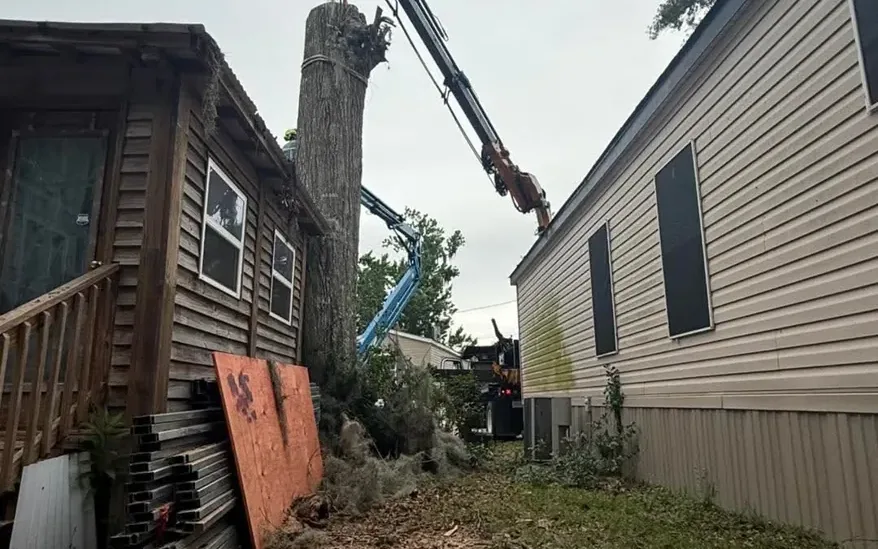
Report new hanging material, failure, movement or visible damage from a safe position. Keep people clear and call 504-458-8336 about current availability. Immediate threats to people or electrical involvement need the appropriate emergency or utility service. The storm overview connects related tree-work responses; a form does not establish dispatch, arrival time or the safety of continuing to use an affected route.
For a shared property, name the person coordinating current reports so different residents do not provide conflicting directions about the same tree. Explain the location and affected entrance or use area. A weather event can change a routine care request into a different work question, so update earlier information. Do not ask residents or staff to approach damaged material, test a branch or clear supported wood for a more complete photograph or an assumed access improvement.
Give the owner a closeout they can understand
Keep the accepted tree identifiers, tasks, access assumptions, changes and material decisions together. Agree on any labeled photographs or purchaser-specific output before work starts. Name the person who accepts completion and record remaining items with the responsible next contact. Documentation should describe actual work without inventing a university endorsement, a property-wide condition certification or findings that the company was never commissioned to provide.
A planning example is selected pruning at a privately managed rental property, a coordinated driveway window and later stump-area work by another provider. A nearby institutional building does not make that private request a campus job. Send the address, safe tree and route photos, desired result and authorized contact so Tree Huggers can discuss a useful next step for the actual site.
Uptown neighborhood access and pedestrian planning
Near Tulane and Loyola, a tree-work plan may involve a house fronting a narrow street, a shared rental entry or a managed institutional property. The practical question is not simply how large the tree is. Show where people normally walk, how parked vehicles and delivery traffic use the block, whether an access route crosses another property, and who can authorize temporary use of that route.
A photograph taken from the street and a separate safe view of the tree often explain more than a close canopy shot alone.
If the property has exams, move-in activity, scheduled events or a maintenance restriction, provide the actual dates to the site contact rather than assuming a quiet work window. Identify who will inform residents or other affected users and who handles any required permissions. Tree Huggers can discuss tree scope and equipment access, while the responsible property and authorities determine their own access and occupancy requirements.
Tree Service Tulane Loyola Area questions
Does this page mean Tree Huggers is affiliated with Tulane or Loyola?
No. It describes geographic inquiries without claiming university affiliation, endorsement or a campus contract.
What property information should be supplied?
Provide the actual address, type of property, intended tree and authorized owner or facilities contact.
Can a tenant authorize all tree work?
Do not assume that. Identify the actual authority and approval process for the tree and property.
What makes a tree identifier useful?
Tie it to a map or recognizable building and route, especially when several similar trees are nearby.
Does a quiet calendar period guarantee site availability?
No. Confirm actual operating requirements and the contact coordinating the work area.
What should be stated about shared parking?
Explain who controls it, the available window and what must be made available for the accepted work.
Can neighboring access be selected without agreement?
No. Relevant property and public-space arrangements need to be clarified before the plan depends on them.
Should renovation plans be shared?
Yes. Provide current retained-tree, ground-work and access information and the project contact.
Does a work estimate approve later excavation around a tree?
No. Clarify the separate review or preservation scope needed for proposed site changes.
Can a shared courtyard automatically store tree debris?
No. Material, processing, placement and destination require an agreed scope.
How should urgent damage reports be coordinated?
Use safe observations, current tree references and the responsible site contact; call about availability.
What should completion documents avoid implying?
They should not invent institutional endorsement, property-wide certification or an uncommissioned assessment.
Let’s plan your tree work.
Send the property address, safe tree photos and the result you need. Include access restrictions and the person who can approve the work.