Clear the site to match the construction plan
Construction tree work should begin with clear limits: what comes out, what stays, where equipment can travel and what finish condition is required. Trees to remain should be protected from unnecessary root-zone disturbance and accidental damage during removal work.
Practical scope and safety guidance: On a construction site, the sequence of tree work matters as much as the final appearance. The project team should compare the tree inventory with proposed grading, utility trenches, excavation limits, temporary roads and crane routes before mobilizing. A tree expected to remain may need a protected root zone, separate soil-storage area and clear restrictions on equipment traffic. A tree marked for removal still requires a safe access and lowering plan when neighboring structures, fences or overhead services are close.
Supply current drawings rather than relying on an old aerial image; identify the superintendent, responsible contracting party and any permit or municipal inspection conditions. For bidding, distinguish one-time clearing from phased removals, root-pruning consultation, stump grinding and final haul-off. If a change in grade or utility routing affects a retained tree, revisit the plan instead of assuming the original protection detail still works. Documentation should identify trees, areas, inclusions and exclusions so contractors are pricing the same work.
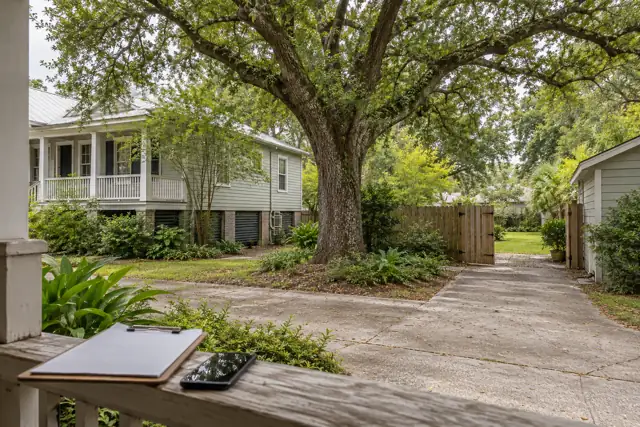
Identify trees to remove, trees to preserve, access routes and work boundaries.
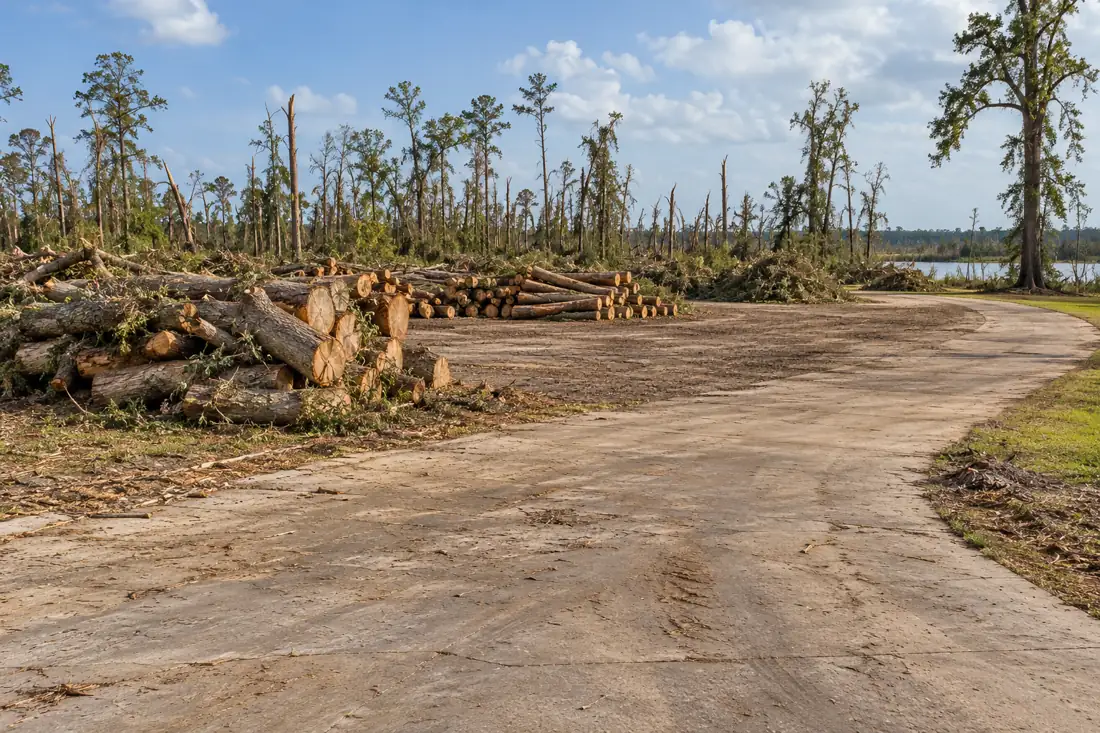
Open access and remove larger trees in the order that supports the project schedule.
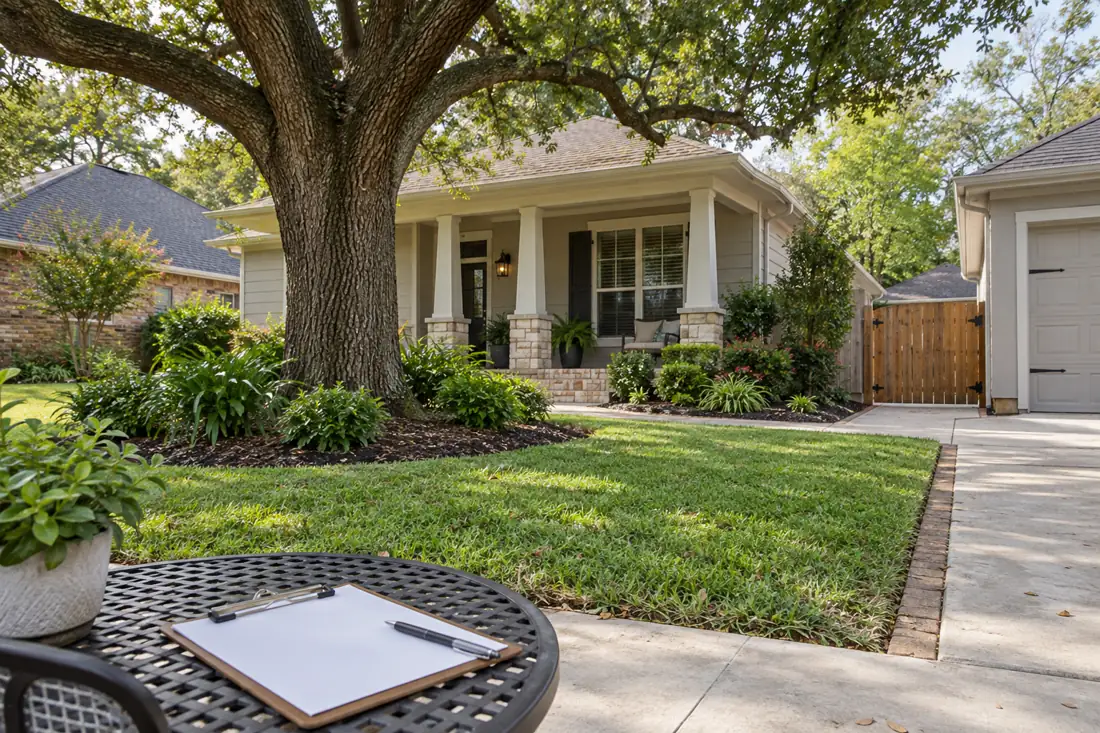
Complete the agreed stump, debris and site-cleanup work before the next phase.
Production matters on contractor-led work
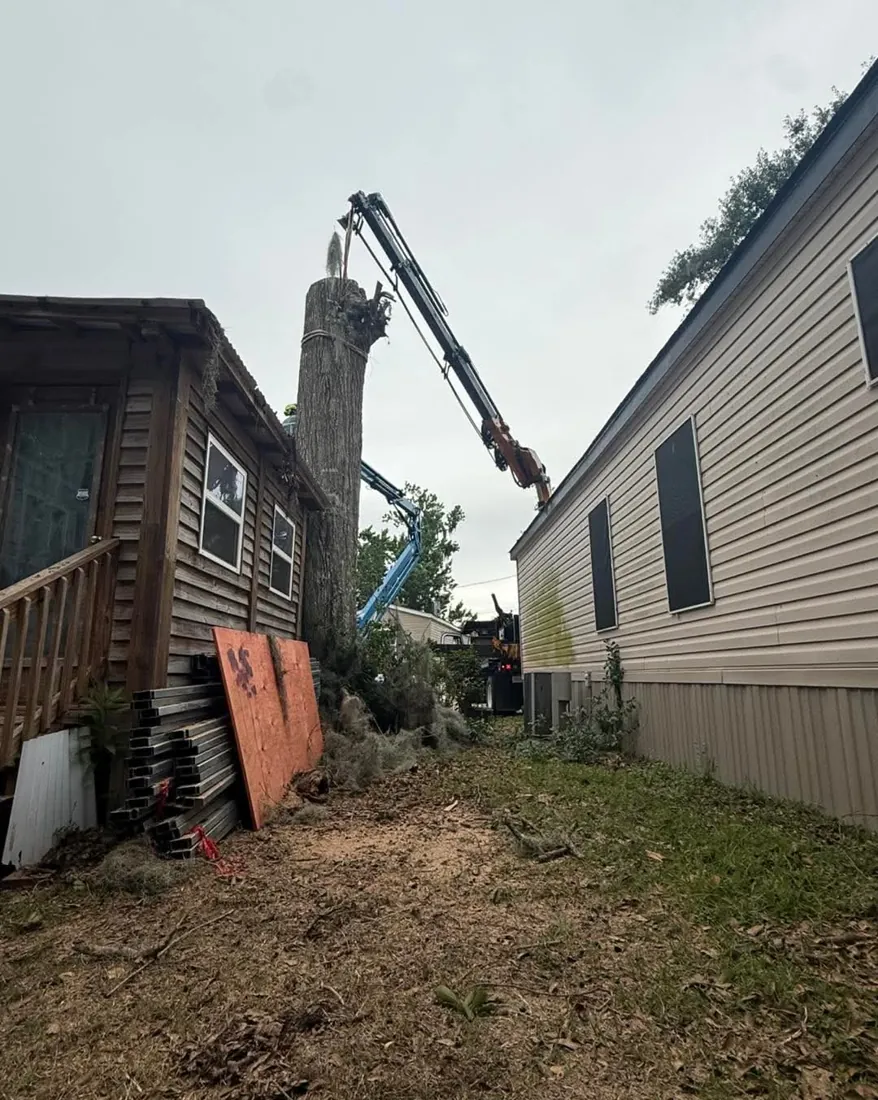
Mechanized equipment, crane assistance and efficient debris handling can improve production on larger sites. The goal is to complete tree work cleanly so grading, utilities or other construction activities are not held up unnecessarily.
Work from the current plan and decision contact
Send the work address, current drawing or site instructions and the person authorized to approve the tree scope. Identify the version being used when a plan has changed. A tree shown for retention in one document and removal in another needs resolution before anyone relies on the work list. Keep the tree company, site superintendent and purchaser connected to the same accepted information instead of assuming every provider has received the latest revision.
The contractor service page offers related preparation. Use tree or area identifiers that appear consistently in photos and the scope. Separate confirmed work from alternatives still under discussion. A preliminary walkthrough or estimate is not itself authorization for every tree on the parcel, and a broad clearing request should not silently expand when another trade arrives with a different interpretation of the site plan.
Define the removal limits in practical terms
Identify what comes out, what stays and the areas outside the accepted work. An approximate outline can introduce the request but should not be treated as unquestioned authority for an unresolved ownership or boundary issue. Explain what is confirmed and which information remains with the responsible party. A fence, mowing edge or aerial-image line may help describe a location without settling every permission or work-limit question.
The land clearing service and clearing guide help organize those decisions. Keep revised limits visible and authorized rather than relying on an informal instruction to open the area a little farther. The accepted scope should be recognizable to the customer and crew on the actual site. That protects the handoff from an assumption that all vegetation within view belongs to one undifferentiated clearing task.

Carry retained-tree instructions through access planning
Identify retained trees and landscape areas before equipment routes and staging are chosen. Share the responsible project’s current instructions for work around them. Preserving a trunk while another plan assumes unrestricted excavation, storage or grade change nearby leaves an unresolved interface. The tree-work scope and later operations need to use the same retained-tree information rather than treating preservation as a separate note that can be addressed after removals.
The preservation hub provides related preparation. Do not invent a protection distance or assume one generic measure fits every tree and project. Identify the appropriate designer, assessor or responsible provider for requirements outside the agreed tree task. A clear retained-tree brief helps the company review access and handling while leaving engineering and next-phase decisions assigned, instead of treating a removal agreement as a complete construction protection plan.
Connect the tree sequence to actual project dependencies
Explain what the next trade needs and when that condition is required. Opening an access route, removing a particular tree and completing all stump or material work can be different stages. Discuss the actual tasks and current availability before treating a requested ready date as confirmed. A project calendar should identify dependencies without assuming every tree operation can be completed simultaneously or in a method selected before site review.
Carry tree-protection limits into construction sequencing
A construction drawing may show a tree to retain while the field schedule places excavation, deliveries and equipment beside its roots. Give every retained tree a clear identifier and have the project team agree on the actual protection boundary before clearing begins. The useful field mark is one that can be recognized after a fence moves or a trade contractor arrives with different drawings.
At the preconstruction walk, connect each removal or pruning task to its dependency. Which work must occur before a fence, power service, foundation or material delivery? Where is the approved vehicle route and where may timber be temporarily placed? If a route passes through a protected rooting area, pause for the design team’s decision instead of treating a convenient path as approved by default.
Record the handoff with dated photographs, retained-tree conditions and agreed exceptions. If grading changes, a root is exposed, or equipment must use a different entry, the project manager should obtain a revised decision rather than letting the tree-service scope silently expand. A precise handoff reduces disputes about whether tree damage began during clearing or during a later construction phase.

The company needs to know about deliveries, demolition, excavation and other activity using the same area. Name the contact who coordinates conflicts and changes. The commercial planning hub helps organize a usable brief. Keeping the sequence explicit allows a contractor to accept a defined first tree task while recognizing which later ground, material or repair operations remain outside it, with another authorization where the scope changes.
Show equipment and wood routes together
Provide safe views of the entry, gates, turns, surfaces, setup space and loading area. Explain how material travels from the work location, including any shared route or neighboring area that needs an appropriate arrangement. A broad open parcel at the back does not establish a suitable approach from the road. Current ground conditions and restrictions matter along the whole route, not only at the standing tree.
The equipment guide explains the information behind handling options. Size alone does not establish a crane, remote-controlled equipment or another method as the solution. The tree, surrounding targets, setup and material movement need review together. Do not remove fencing or assume access across another parcel to prepare for a guessed approach. A complete route discussion gives the project a more useful basis for comparing proposals and arranging the next operation.
Make known utilities and hidden conditions visible
Share available information about buried features, overhead conflicts, abandoned material and fixed obstacles relevant to the proposed task. State information limits honestly. A clear surface photograph or old drawing should not be represented as a complete current underground record. Identify the responsible party for confirmation, locating arrangements or specialist input needed before the relevant work can be relied on as ready to proceed.
Do not enter a dangerous area or disturb unknown material to produce a more complete quote request. Report what is visible from an appropriate position. Where electrical involvement or immediate threats exist, use the relevant emergency or utility service. Tree handling does not silently include utility repair or establish that an electrical condition has been cleared. The work scope should make those interfaces understandable to the site contact instead of treating a vegetation task as authority for unrelated specialist operations.
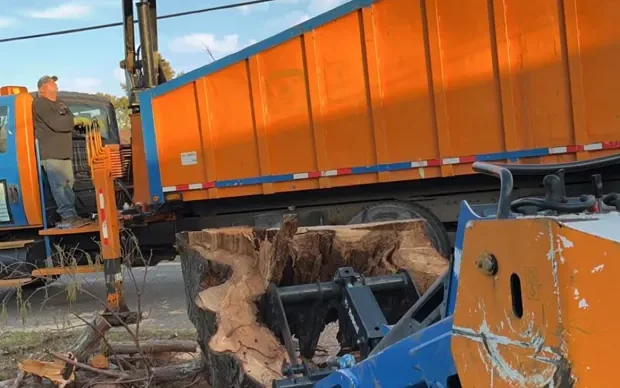
Specify the stump and ground handoff
Ask the next-phase provider what condition the project actually requires and connect it to each accepted tree or clearing area. Stump grinding, full excavation, root work, backfill, compaction and grading are different operations. A general tree-removal or clearing quote should not be assumed to produce a construction-ready subgrade or satisfy a requirement that has not been supplied by the responsible project team.
The stump planning guide helps frame intended use, access and material decisions. Identify what remains, what leaves and which provider performs the next task. If the requirement changes, review the relevant scope rather than relying on a finished-looking surface as evidence of all below-ground work. An explicit handoff allows the next trade to plan from an accurate starting condition and keeps unassigned root or soil work from appearing only after the tree crew departs.
Agree on material, changes and closeout
List logs, branches, chips and retained material, with processing or hauling decisions for the actual job. Disclose mixed building waste, fencing or unknown contents separately. The debris service provides related scope context. Do not assume a tree contractor accepts every item on a construction site simply because it lies in the same work area. Destination and handling arrangements need to fit the accepted material boundary.
Keep approved changes, current tree identifiers and the required finish together. For example, a defined access opening can precede separate removals and later ground preparation by another contractor; that is a planning example, not a completed-project claim. At closeout, record actual tasks, material disposition and remaining items using the current plan references. Send any required record format early. A clear result supports the next phase without inventing measurements, engineering findings or work outside the accepted tree scope.
Protect retained trees through construction sequencing
Site drawings may show new buildings and pavement without showing the full area needed for a retained tree. Identify trees to remain before equipment arrives. Provide root-zone protection boundaries and record who may authorize moving them. Fencing installed after roots have been cut may not prevent long-term damage. Keep the protection plan with the same field documents used by excavation and delivery crews rather than in a separate email nobody on site sees.
Distinguish canopy pruning from grading, trenching or soil stockpiling near roots. Root systems often extend beyond visible canopy edges, and cutting major roots can affect health or stability. Do not treat an unknown buried root as an obstacle to be severed without review. The designer, utility owner and qualified tree professional may need to consider alternatives when the proposed work conflicts with a retained tree.

Keep root-zone decisions visible on current plans
For removals, identify trees accurately, confirm property boundaries and discuss overhead access, loading routes, stump depth and material disposition. Schedule constraints should include when another trade needs the space and when the ground will actually be ready. Heavy rain may change bearing conditions and safe machine movement. Include known irrigation, drainage, retaining walls and subsurface structures in the handoff.
After the assigned tree work, record what was removed, which barriers remain, who controls later grading and what follow-up the retained trees may require. Leaving a tree standing does not prove its roots were untouched. A disciplined sequence allows the next contractor to recognize finished work and outstanding protection responsibilities without inventing an inspection of the entire construction site.
Construction Site Tree Service questions
What belongs in a construction tree-work brief?
Provide the address, current plan version, tree/area identifiers, limits, retained features, access, desired handoff and authorized contact.
Does a preliminary estimate authorize every tree removal?
No. Confirm the accepted trees, work areas and tasks before relying on a broad site request.
Can a fence or aerial line settle the work boundary?
Do not assume that. Identify confirmed limits and resolve relevant ownership, authority or permission questions through the responsible parties.
When should retained trees be identified?
Before routes, staging and later site operations are assumed, using the project’s current responsible instructions.
Does one generic protection distance fit every project?
Do not invent one. Obtain relevant project-specific requirements from the appropriate responsible provider.
Is a requested ready date automatically confirmed?
No. Review actual tasks, dependencies, conditions and current availability directly before treating timing as agreed.
Can machinery be chosen from tree size alone?
No. The route, setup, ground, surrounding targets, tree condition and material movement affect the approach.
What should be stated about utilities and hidden features?
Share available information, its limits and the responsible party for confirmation or specialist arrangements.
Does clearing create construction-ready ground?
Not automatically. Grinding, excavation, roots, backfill, compaction and grading need an explicit next-phase handoff.
Is mixed demolition material included with wood?
Disclose mixed or unknown contents and confirm accepted handling and destinations; separate arrangements may be needed.
How should plan revisions or extra trees be handled?
Keep changes visible and use the agreed authorized approval path rather than silently expanding the original scope.
What makes closeout useful to the next trade?
Connect actual tasks, material disposition, remaining conditions and approved changes to the current tree and plan identifiers.
Let’s plan your tree work.
Send the property address, safe tree photos and the result you need. Include access restrictions and the person who can approve the work.