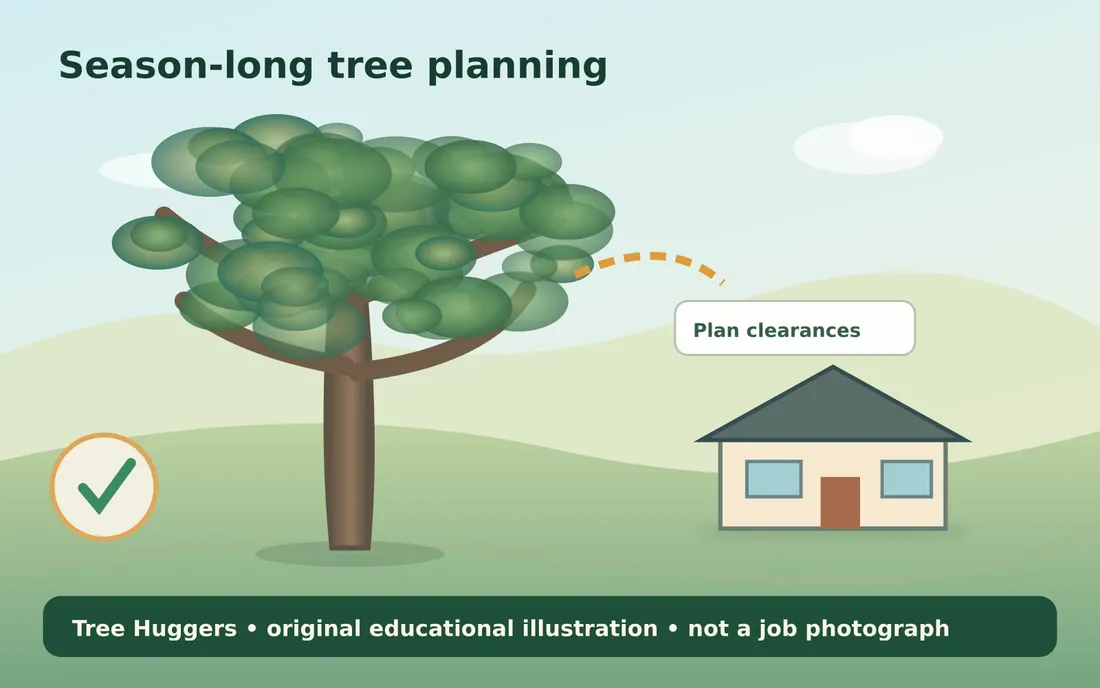
After a hurricane, assess the whole property by priority
Triage more than the most visible tree
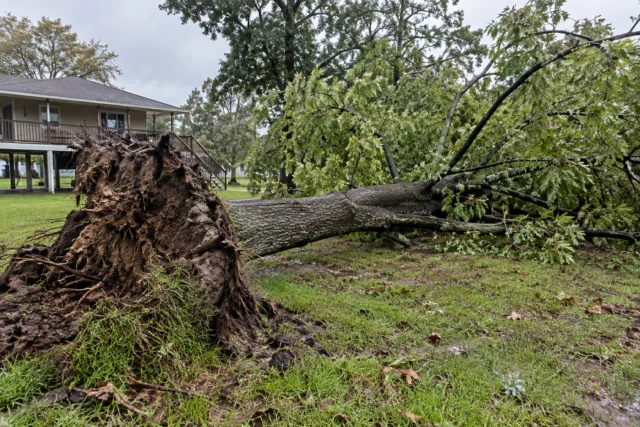
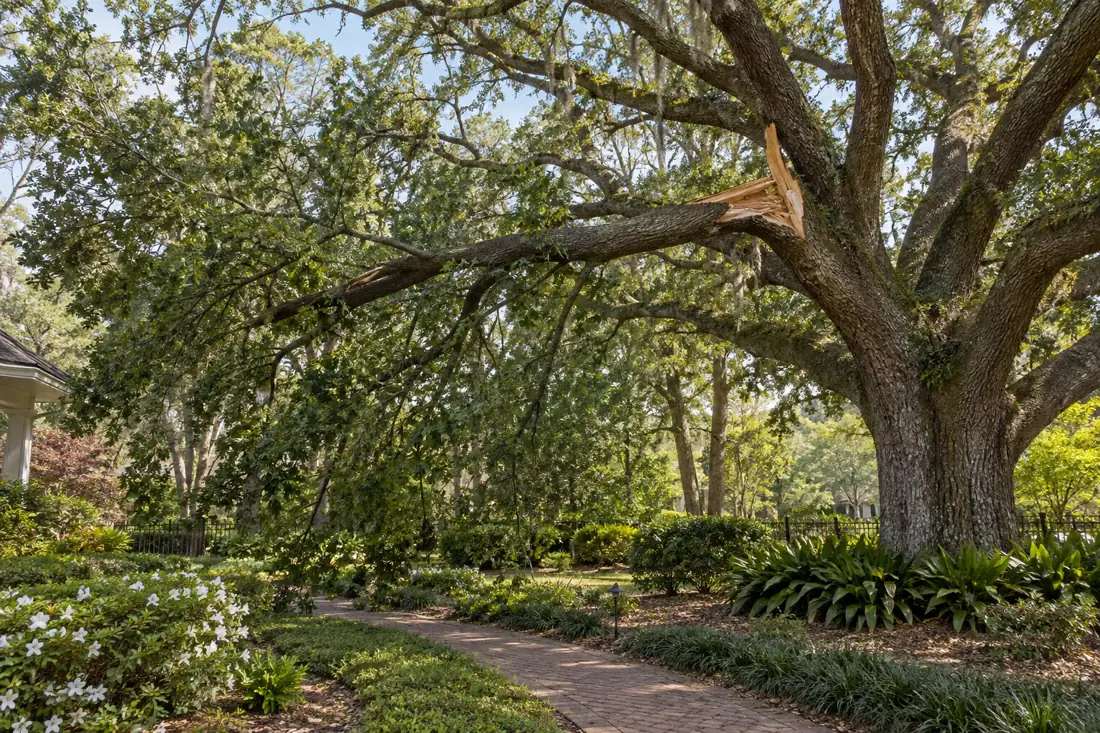
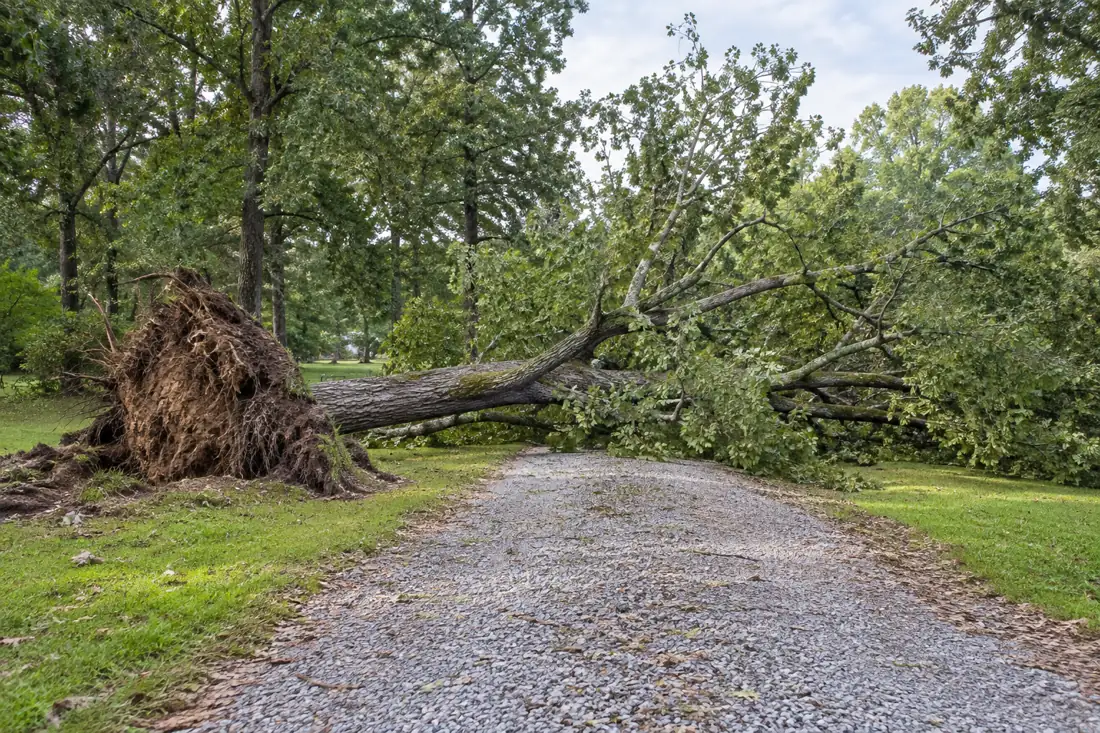
One fallen trunk can dominate attention while a split limb remains suspended above the only exit. Work through occupied spaces, pedestrian routes, utility conflicts and essential vehicle access before cosmetic debris removal. Multiple trees may need separate decisions: a downed tree with stored tension, a newly leaning tree with disturbed roots, and a standing tree with a cracked union are not one uniform cleanup job.
Identify which areas are still unsafe or inaccessible and avoid entering them for detailed photos. Emergency personnel and the utility should handle issues within their responsibility.
Build phases that survive changing conditions
For a multi-day hurricane response, note which hazards need immediate isolation, which trees require professional evaluation, what vegetative debris can be staged safely, and what final cleanup is desired. Access may change as rain continues, streets reopen or other trades arrive; a proposed sequence should account for that rather than promising a fixed timetable. Photograph overall property conditions from safe positions before moving debris if documentation is useful. Storm-damage assessment focuses on tree conditions, while storm cleanup focuses on removal and site finish once hazards are controlled.
Hurricane damage requires triage
After a major storm, not every problem can be handled at once. Immediate hazards to people, occupied structures and access routes come first. Standing but compromised trees can then be evaluated for preservation, pruning or removal as cleanup progresses.
Practical scope and safety guidance: Hurricane preparedness and hurricane recovery are different tree-care decisions. Before severe weather, examine visible weak attachments, deadwood, changes in lean and branches near frequently used exits, but do not assume indiscriminate topping or heavy thinning protects a tree. Ask an appropriate professional about species, health, structural condition and practical mitigation choices well before forecast conditions make outdoor work unsafe. After a storm, stay clear of hanging limbs, unstable root plates, waterlogged ground and damaged lines.
Explain which routes must reopen first and whether roads, homes, utility connections or drainage infrastructure are involved. A recovery estimate should identify removal versus temporary access clearance, brush and log hauling, stump work, equipment staging and any required documentation. Do not drive across soft lawns or excavate around roots until access conditions and buried infrastructure have been considered.
Prioritize trees on structures, blocked access and dangerous suspended limbs.
Look for root movement, cracks, broken tops and new lean.
Process and haul tree debris according to the agreed scope.
Large events may justify regional mobilization
For significant commercial, public-property or multi-site storm work, Tree Huggers can mobilize outside the routine New Orleans market when the scope supports travel, equipment transport and sustained production.
Related services
Make a property list before treating everything as one job
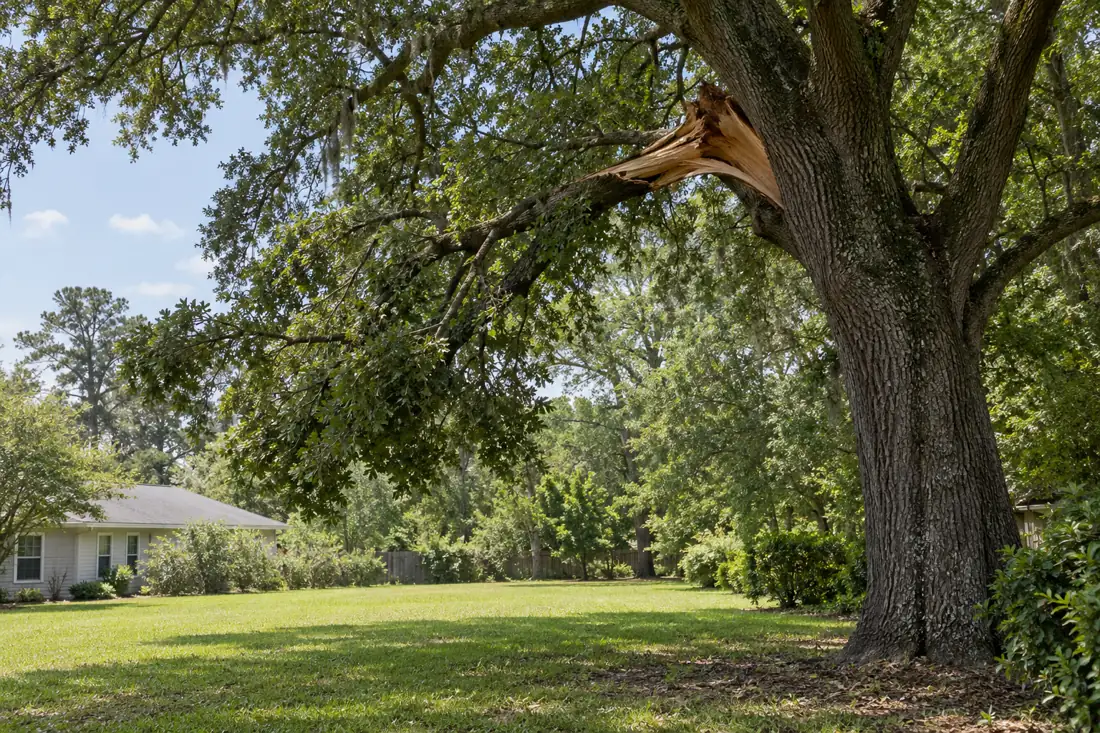
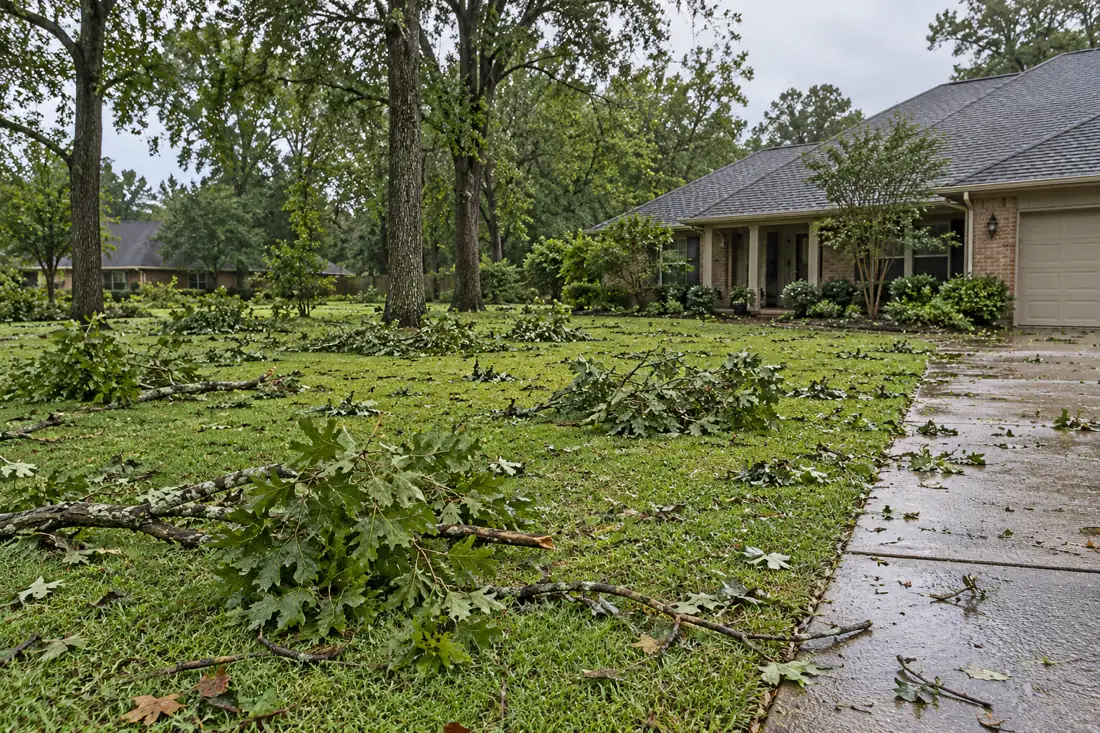
Hurricane damage can combine fallen trees, broken crowns, blocked routes and standing trees that have changed. Describe those conditions separately. A request to clean up the whole property may not explain which entrance is blocked or which damaged tree is above an occupied area. Use locations or simple identifiers so the response discussion can distinguish the immediate concern from later removal and hauling.
For immediate threats to people or wires, contact the appropriate emergency or utility service and keep clear. Call Tree Huggers at 504-458-8336 about current tree-work response availability. An online request is not a confirmed dispatch. The emergency service page explains the direct-call starting point. Useful information can be gathered from safe positions without requiring an owner or maintenance worker to walk through unstable damage to complete a list.
Describe changes in trees that are still standing
A standing tree can have visible split connections, a broken top, a changed lean or movement at the ground. Report those observations and when they appeared. Do not assume the tree needs the same treatment as a neighbor’s tree or decide that a green canopy settles its structural condition. The assessment needs to consider the individual tree, surrounding targets and changes caused or revealed by the event.
Keep people away from affected areas, including routes beneath a damaged crown. Do not pull on a split limb or climb to inspect it. The post-hurricane review guide and save-or-remove guide provide related context. Preservation, pruning and removal are separate decisions. The company needs the actual concern and site information before an appropriate work scope can be discussed for a tree that remains upright.

Explain which access is needed first
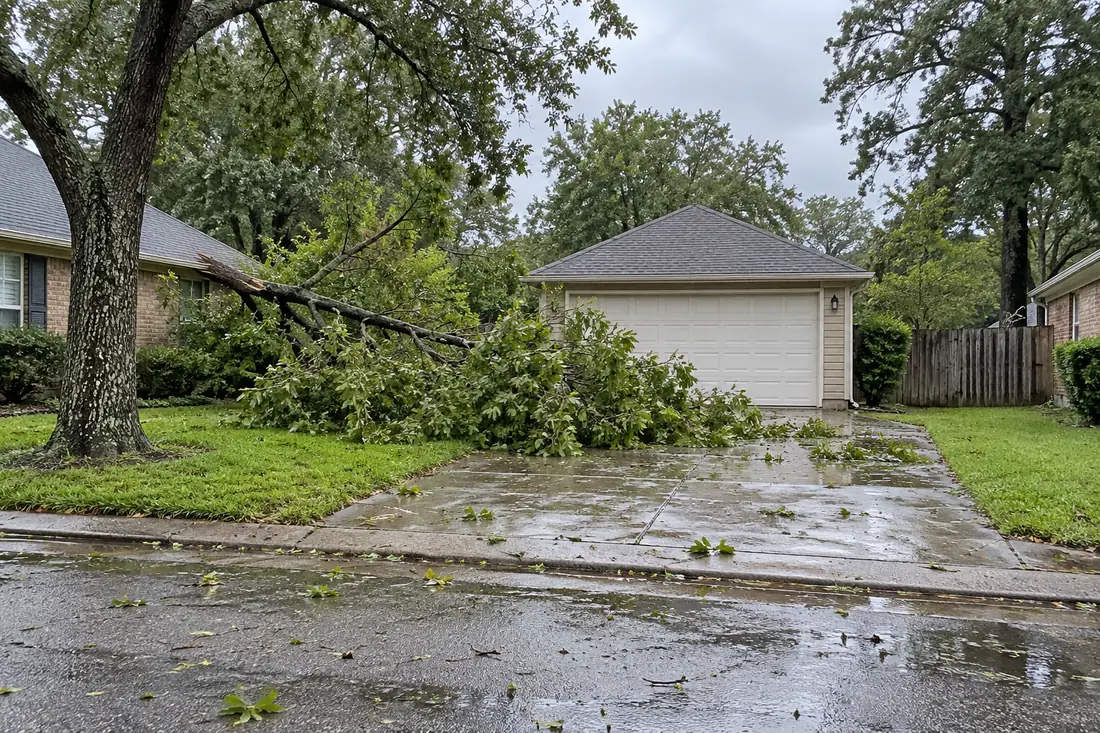
Identify the practical obstruction: a private drive, building entrance, service lane or route used by a managed property. Say whether another entrance remains available and who controls entry. For several buildings, connect each access problem to its location. A distant photo of storm debris alone may hide the route that matters most to the property’s use.
The first authorized task may differ from the complete cleanup. Ask what can be assessed now and what needs later coordination or another provider. Keep utility conflicts, damaged structures and tree handling responsibilities clear. The fallen-tree service and tree-on-structure page address related situations. A clear access objective helps the discussion without promising a fixed sequence, response time or universal method for hurricane damage.
Provide safe current photos and useful history
When safe, show the whole tree, affected structures and an approach from outside the damaged area. Add the address and known timing of changes. Avoid walking beneath suspended wood, entering a damaged building or climbing onto a roof for closer evidence. If a view is unavailable safely, explain that limitation instead of trying to supply every angle.
Include relevant earlier damage or construction history if known. An accurate note can help distinguish a newly observed condition from an older concern without claiming a cause that has not been established. For several trees, keep the identifiers consistent across photos and the accepted scope. The storm photo guide provides more context. Photos help prepare the review, but the actual field condition and appropriate coordination still determine the next step.
Connect removal with the ground and loading conditions
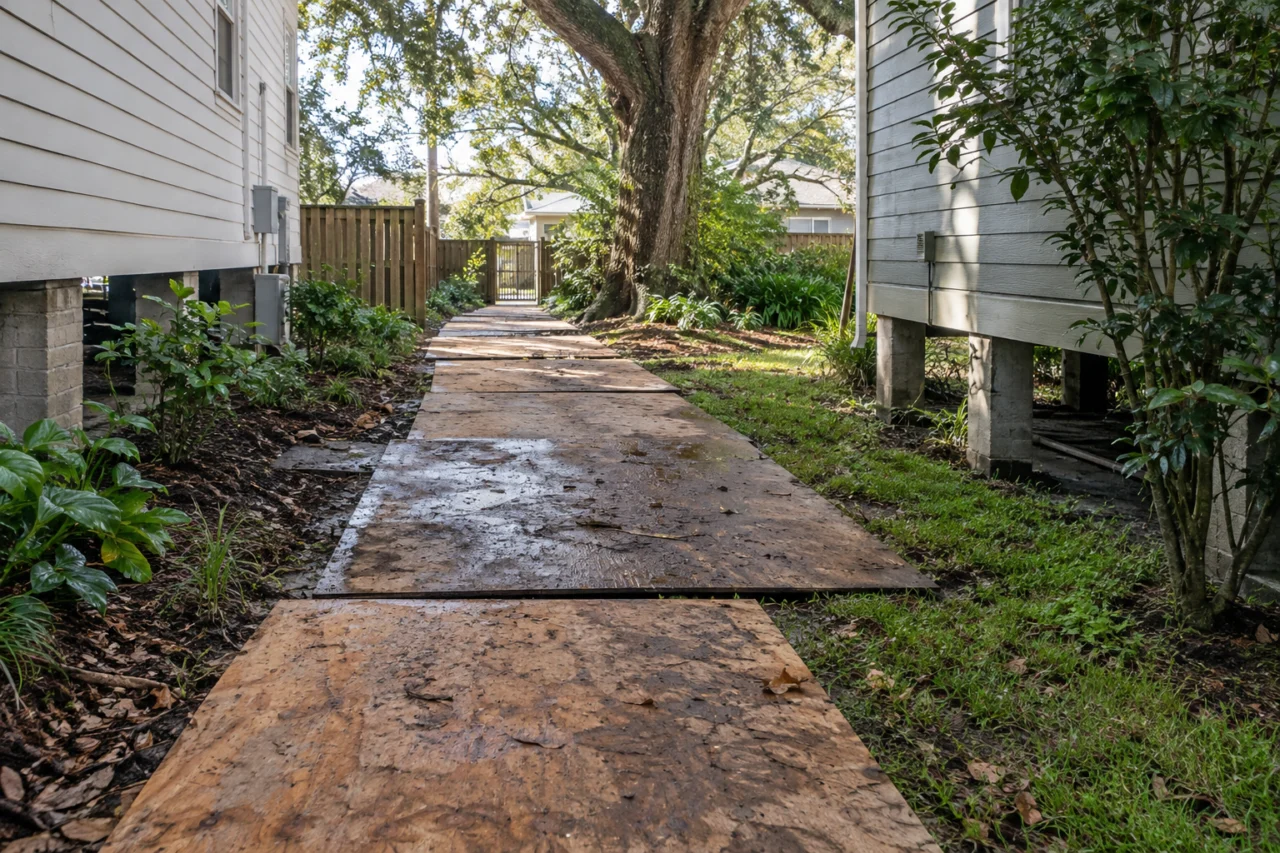
After heavy weather, a route that was usable earlier may contain standing water, soft ground, damaged surfaces or blocked gates. Tell the estimator about those changes. Show the loading area and the path material would take out. Do not assume an equipment approach used before the storm remains suitable after the site has changed.
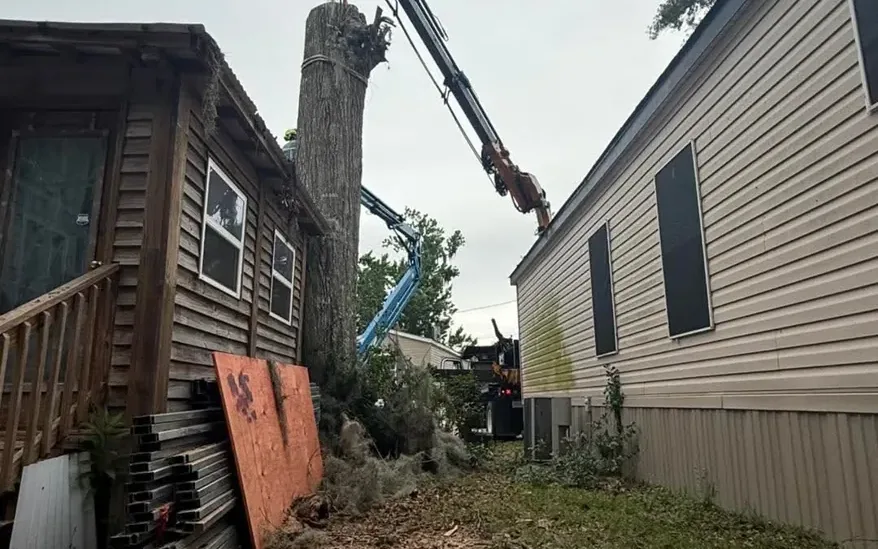
For large damaged trees, equipment-assisted work may be considered where the property and task allow it. Reach, setup, support and material handling still need review. A machine name or impressive photograph does not establish that a particular operation fits the current site. Keep retained trees, utility features and neighboring property visible in the discussion so the method addresses the full work area rather than only the largest trunk in the photographs.
Define the wider debris and restoration boundary
Tree material can become mixed with damaged fencing, roofing and other objects during a hurricane. Describe those contents before requesting hauling. If some material is concealed or unknown, say so. The contractor needs to understand which items are accepted and which may need a different provider or separate arrangement. Ordinary tree debris should not silently become an undefined mixed-waste task.
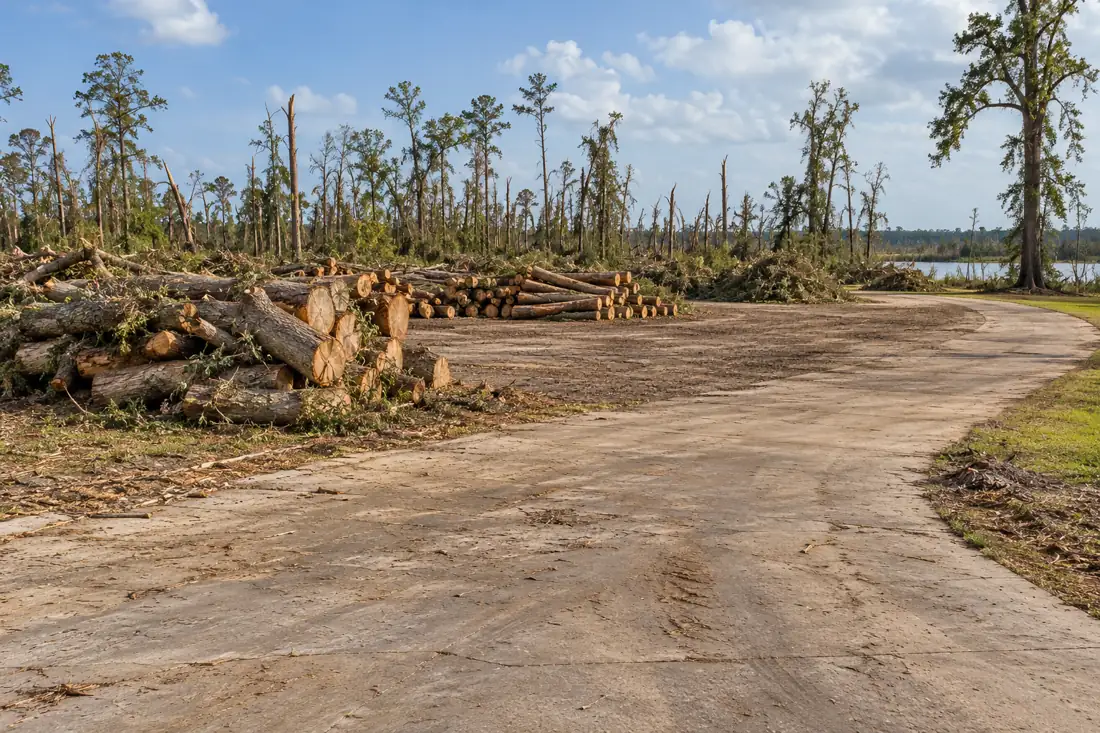
Clarify logs, brush, chips, stumps and the practical finish. Soil, sod, landscape replacement and building repairs are different responsibilities unless expressly included. The storm-cleanup service and debris hub organize those decisions. A phased scope can connect the urgent tree task to later restoration while keeping each authorization and completion point understandable. The property should not depend on several contractors assuming someone else owns the same remaining item.
Organize larger local and regional requests
Tree Huggers discusses larger commercial, public-property and multi-site storm work beyond routine local projects when the scope supports mobilization. Provide the actual locations, tasks, access conditions and coordination contact. Travel and resource planning need a real project description; a general regional capability statement is not a promise that crews or equipment are available everywhere at once.
For an agency, prime contractor or property portfolio, include current buyer requirements and who can authorize each stage. The mobilization page provides related planning context. Keep site lists current as reports change, and use the same tree or area identifiers in scope and completion records. The company can review available resources and conditions against that information rather than making commitments from an unverified total of damaged trees.
Keep records factual and the next step confirmed
Save the request, accepted work, approved changes and invoices. Request labeled work photographs where practical. Insurance or other reimbursement decisions are separate from the tree contractor’s description of its work; do not assume a service recommendation guarantees payment. Accurate records should describe visible conditions and performed tasks without inventing a cause or promising an outcome outside the agreed scope.
Call with urgent hurricane tree concerns and ask about current response availability. Send safe photos, the address and a clear explanation of the obstruction as follow-up. For planned cleanup, use the estimate form with the remaining work and desired finish. The storm planning hub helps organize a fuller request. Direct confirmation connects the information to a real next step while keeping emergency response, later tree work and restoration appropriately defined.
Set separate priorities for hurricane access and later property recovery
After major wind damage, the first useful project description may be about access rather than the total number of damaged trees. Identify whether a driveway, gate, entrance, shared road, or critical building approach is blocked, and show it from a safe position. Note utilities, fences, fallen structures, unstable root plates, standing trees with new lean, and material resting under tension. Do not move timber or walk beneath suspended branches to make a photo or improve the route yourself.
Describe the first authorized completion point separately from the final cleanup. A first phase could make a specific route usable while leaving other areas cordoned off; later phases might handle additional tree work, grinding, wood hauling, or surface restoration if those items are explicitly included. This distinction helps a contractor understand equipment access and staging while allowing the owner to coordinate building repairs, debris collection rules, and other vendors without an assumed all-in-one price.

Document access restoration separately from later storm cleanup
A hurricane tree request is easier to prioritize when it separates the immediate obstruction from the wider condition of the property. Identify the access needed for occupants, responders or authorized trades. Do not move beneath hanging branches, approach a damaged tree touching wires or enter a visibly unstable area to take a photograph; the first report can be made safely from a distance.
List each affected tree or debris location as a separate line item. A downed limb across an entrance, a tree resting on a building and a standing tree with newly exposed roots are not interchangeable assignments. Record known changes since before the storm and note where a utility company or building specialist must first control another hazard.
Once the priority route is addressed, confirm whether the original authorization includes hauling, mixed building debris, stump grinding, soil repair or later landscape work. Photograph only accessible conditions before and after authorized stages and retain the dated work scope. That distinction prevents emergency access restoration from being misrepresented as completion of every repair on the property.
For a neighborhood, commercial campus, or multi-property request, provide a labeled property list with a decision-maker for each location rather than one unqualified request for storm cleanup. Keep before-and-after documentation factual, preserve any insurance or municipal communications separately, and ask the tree contractor to confirm actual availability and scope. A submitted inquiry does not establish dispatch, coverage, a guaranteed response time, or the safety of entering the damaged area.
Hurricane response: prioritize access and track debris separately
After widespread wind damage, make a location-by-location inventory. For each tree, describe occupied areas, blocked access, suspected utility contact or hanging material. Remain outside unstable work areas. Current safe-distance photographs and a history of changes are more useful than assumptions about whether a damaged tree will remain standing.
Storm work can be staged. An initial task may restore a particular entrance or remove a specific contact, while later work handles wood, mixed debris, stump grinding and restoration. Distinguish these stages so early clearance is not mistaken for complete property recovery. Where multiple owners or tenants are affected, identify who can approve each stage.
Ask about loading areas, truck routes, wood placement and local disposal rules. Vegetation, construction debris and household waste should not be treated as one undifferentiated material stream. The debris guide explains material-handling scope, and the emergency guide covers situations that require immediate responders.
Three details to settle before an estimate
- Inventory locations and hazards
- Separate immediate scope from restoration
- Specify material classes and authority
Hurricane Tree Removal questions
What hurricane damage should I describe first?
Identify immediate threats, trees on structures and blocked routes, then describe standing concerns and later cleanup separately with clear locations.
Is a standing tree automatically stable after a storm?
No. Report visible splits, changed lean, broken tops or ground movement and keep clear. The current tree and site need appropriate review.
Should I inspect damaged branches from a ladder?
No. Do not climb, pull or test storm-damaged wood. Describe what can be seen from a safe location.
What photos help with several damaged trees?
Use current wide views and consistent location identifiers. Show affected structures and access without entering the damaged area.
Does an online hurricane request confirm dispatch?
No. Call about urgent conditions and current availability. A submitted request does not establish an arrival time or work order.
Can access work precede complete cleanup?
The parties can discuss separate stages with clear tasks and authorization. Do not assume the initial response includes every later removal or restoration item.
What ground information matters after heavy rain?
Describe wet or soft areas, blocked gates, damaged surfaces and loading routes. Earlier access assumptions may no longer fit the property.
Does a crane guarantee quick hurricane cleanup?
No. Equipment suitability, setup, reach, ground support and handling need review for the actual damaged tree and site.
Should mixed roofing or fencing be mentioned?
Yes. Identify mixed or unknown waste before hauling is priced. Acceptance and separate handling arrangements need clarification.
Can Tree Huggers discuss regional hurricane work?
Yes, larger commercial, public and multi-site inquiries can be reviewed. Provide the real scope and locations; availability and mobilization require direct confirmation.
Does the tree contractor determine insurance coverage?
No. Keep factual work records and discuss coverage or payment decisions with the appropriate insurance or reviewing contact.
How do I start a hurricane tree request?
Call with the location and urgent condition. Follow with safe photos, access details and the work objective, keeping later cleanup needs clear.
Let’s plan your tree work.
Send the property address, safe tree photos and the result you need. Include access restrictions and the person who can approve the work.