Tree injection delivers selected treatment materials directly into a tree’s vascular system. It can be useful for certain pest, disease or nutrient situations, but it should follow a reasonable diagnosis.
Request a diagnosis and measurable treatment goal before injection
Leaf discoloration, thinning canopy, dieback and poor growth can result from different causes, including drainage problems, root injury, pest pressure or disease. A trunk injection is a delivery method, not a diagnosis. Ask which problem was identified, why that product and method are appropriate for the species, and what alternatives were considered.
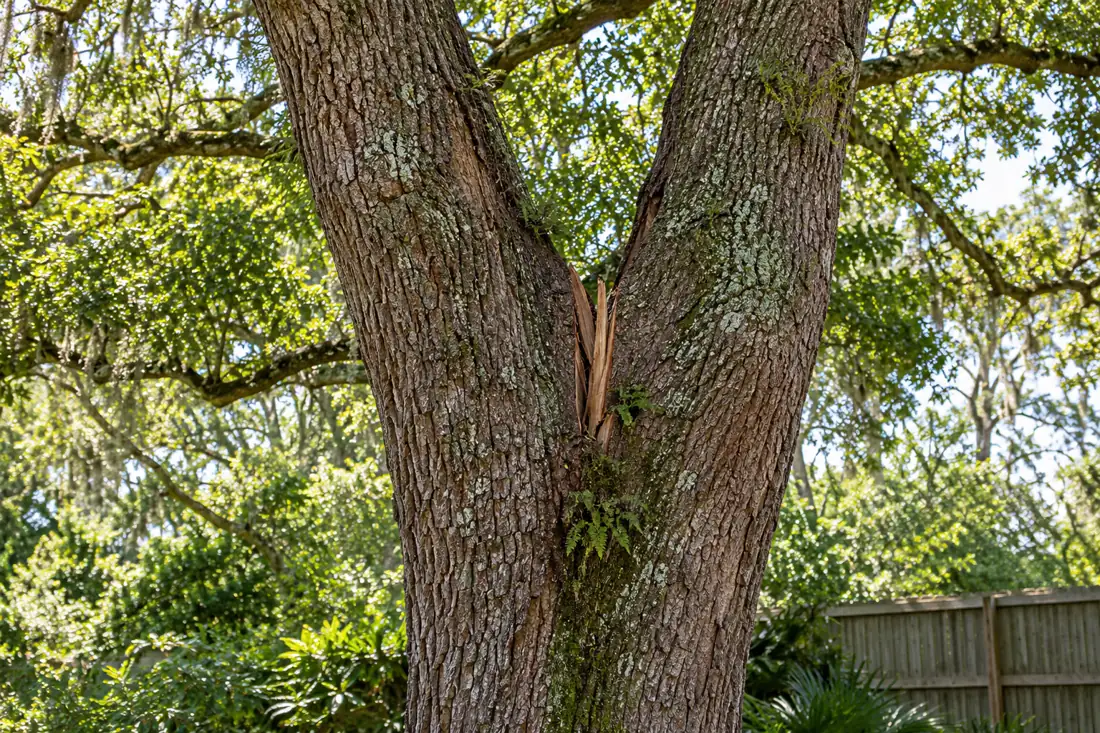
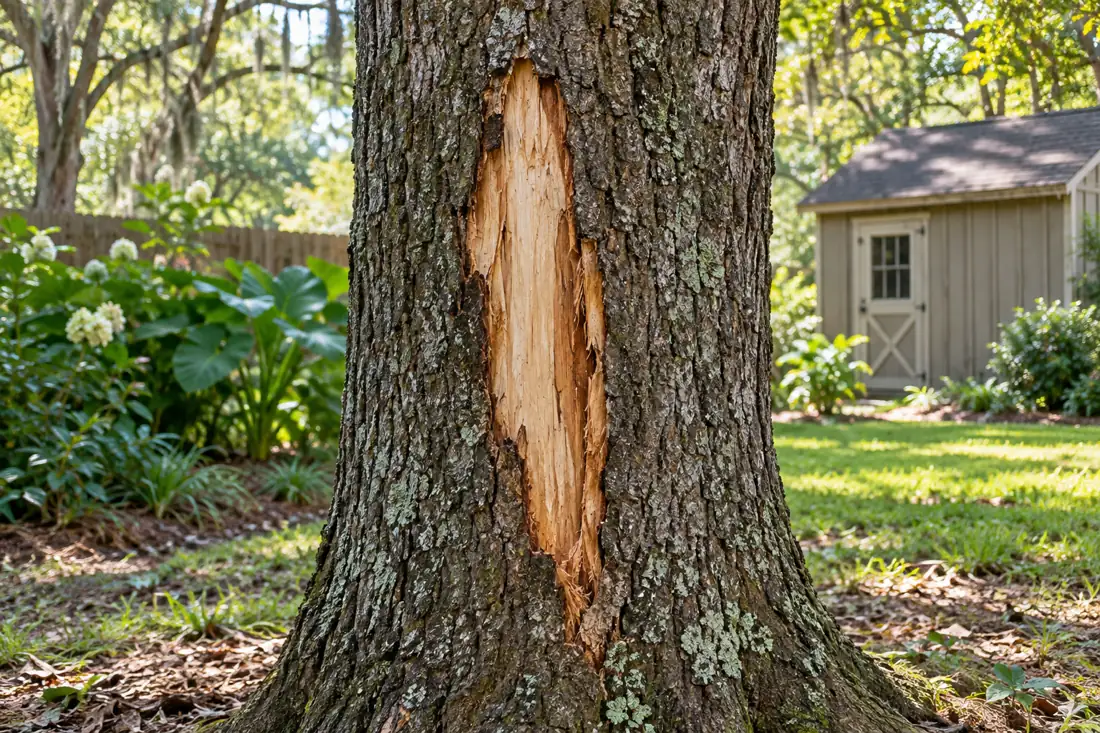
The proposal should explain timing, applicable labeling, potential wound or site considerations and what visible improvement, if any, could reasonably be monitored. Some tree conditions cannot be reversed by adding a product, and an injection does not address a structural hazard such as a cracked trunk or unstable root plate.
Keep the treatment record separate from the risk assessment. If a tree also overhangs a frequently used route, the owner needs a clear decision about access and structural condition regardless of whether treatment goes ahead. Avoid promising that injection guarantees recovery; follow-up should compare documented symptoms with the initial diagnosis and explain next steps if they persist.
Symptoms have many causes
Yellowing leaves, thinning canopies and dieback may result from root damage, drainage, compaction or structural problems that an injection will not solve.
Read about Tree Huggers tree injection.
Begin with a diagnosis, not a product package
A thinning canopy or discolored leaves can prompt an owner to ask for an injection immediately. Start instead by describing the symptom, timing and parts of the tree affected. Explain whether the change began in one branch or throughout the crown and whether similar trees nearby show it. A useful request asks what evaluation is needed to identify the problem, rather than assuming that the same product suits every declining tree.
Share known changes in watering, drainage, soil use and nearby construction. Include previous treatments with dates and product records when available. Do not guess an old product name or treat a neighbor’s experience as a diagnosis of your tree. The University of Minnesota plant-diagnostic resources illustrate why symptoms need to be considered systematically. A local professional must still evaluate the actual species, condition and setting. Ask what is known, what remains uncertain and whether further identification or testing would change the recommendation.
Understand the purpose and limits of injection
Tree injection is a delivery approach for selected treatment materials, not a diagnosis by itself. Ask what problem the proposed material is intended to address and why that delivery method is appropriate for the tree. A nutrient concern, a particular pest and a structural defect are different matters. The presence of treatment equipment at the trunk does not establish that the cause of decline has been identified or that every part of the tree will respond.
The Utah State University overview of getting materials into trees discusses different delivery approaches and practical limitations. Use that background to ask about the selected approach, expected outcome and alternatives. This page does not specify a product, dose, application site or treatment procedure. Those decisions belong to an appropriately qualified provider following the applicable requirements and product label for the actual tree and problem. A general description should never become an instruction to drill or inject a tree yourself.

Ask whether site conditions need attention separately
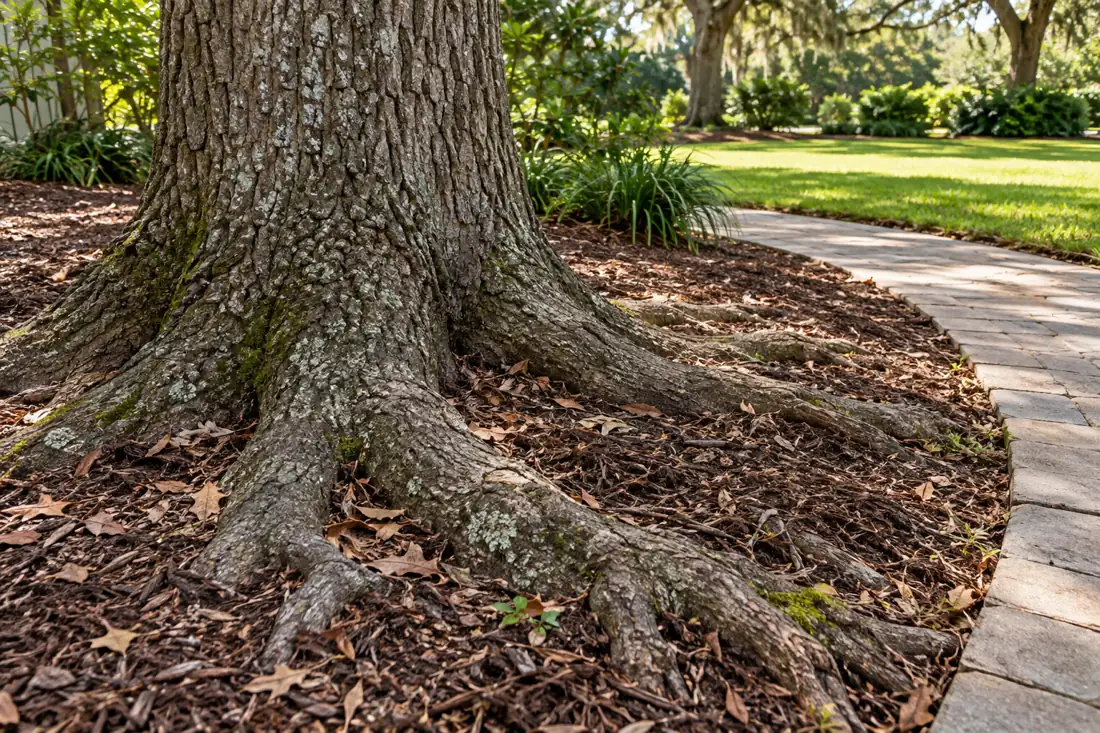
If the problem involves drainage, root disturbance, compacted soil or another site constraint, ask how the proposed treatment relates to that condition. An injection should not be presented as a way to bypass every unresolved issue around the roots or property. The provider should explain which part of the plan addresses the identified treatment target and which recommendations concern the surrounding site. Some recommendations may require another trade or a change in management.
Show recent trenching, paving, grade work and equipment access areas. Explain when those activities occurred without declaring that they prove the cause. If a construction project is still planned, share it before treatment is accepted. The owner needs to know whether further site changes will undermine the intended management plan or require another review. A coordinated discussion can prevent paying for a treatment package while a separate, acknowledged problem remains unaddressed simply because everyone assumed the product would take care of it.
Keep structural questions in their own assessment
A green canopy after treatment would not establish the condition of a cracked trunk, compromised branch connection or root system. If the tree also has a structural concern, report it explicitly and ask whether a separate assessment is appropriate. Do not assume that improving one symptom answers every reason the tree was being evaluated. The service request should distinguish treatment advice from a risk-focused discussion and from pricing for pruning or removal.
Ask what treatment outcome can actually be measured
Before accepting an injection proposal, request the working diagnosis and the reason delivery through the trunk is being considered. Similar-looking foliage symptoms can have different explanations. Ask which observation, test or qualified examination supports the proposed product and whether the tree's condition or timing affects suitability.
A treatment decision should also identify any separate site factors: compacted soil, grading, root disturbance, standing water or changing irrigation. Injection does not resolve every structural or environmental problem. Keep a suspected biological issue separate from a dangerous limb or trunk condition that needs its own assessment.
Write down the expected response, the observation period and who will review results. Avoid claiming a guaranteed recovery or using before-and-after photographs taken under different seasons as proof. The owner should know what costs, monitoring and next decisions remain even if a treatment is accepted.

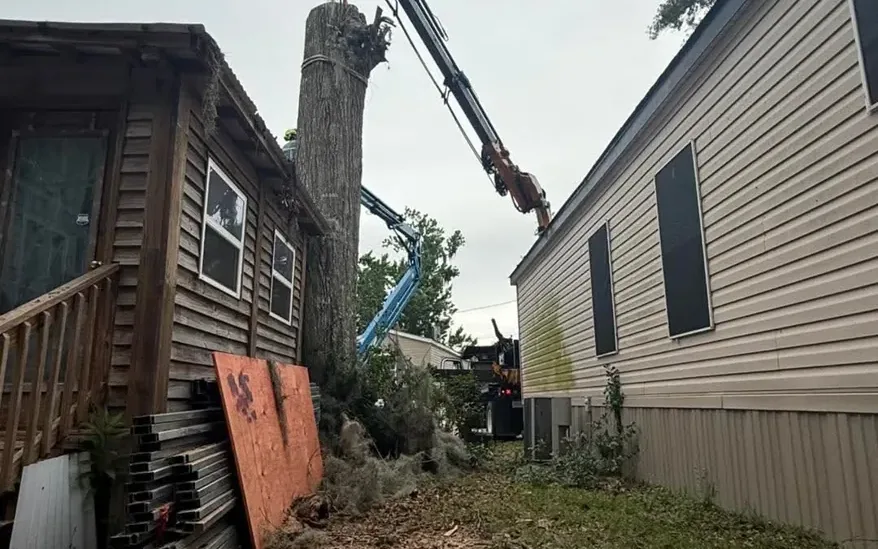
For a tree near occupied rooms, entrances or play areas, describe those targets as well as the leaf symptoms. If the condition appears to be changing or material is suspended overhead, keep clear and contact the appropriate provider promptly. The tree-risk assessment page can help frame that separate question. A useful recommendation states what the treatment is intended to accomplish and what it does not assess or repair. This protects the owner from reading a treatment invoice as a whole-tree safety certificate.
Understand why treatment suitability includes the tree itself
Ask what makes the current tree a reasonable candidate for the proposed intervention. Relevant questions include the identified issue, current condition, previous treatment history and the ability to review the result. If the provider recommends against injection or requests additional investigation, ask what finding drives that recommendation. The goal is an appropriate decision for the tree, rather than purchasing a procedure simply because it is available.
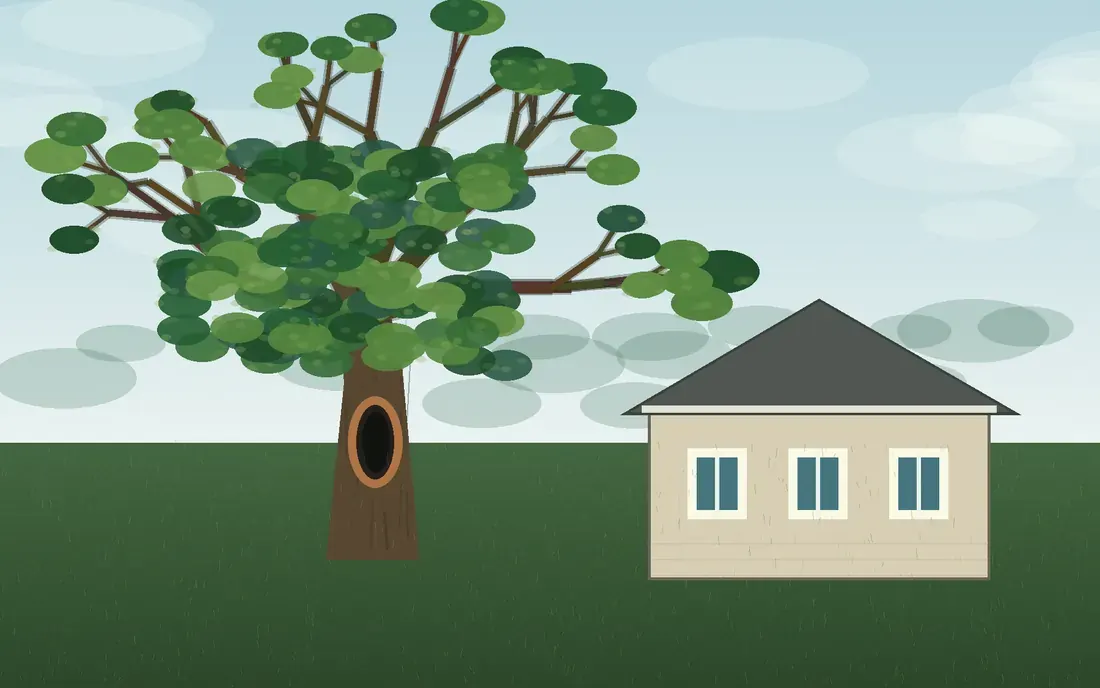
Trunk treatments can involve wounds, and repeated interventions need thoughtful consideration. USU’s tree-injury guidance cautions against routine fertilizer injections into healthy trees. Ask about the reasons for treatment, the proposed frequency and alternatives instead of accepting automatic repetition without review. Do not use an image of treatment ports to infer the correct number or placement for your tree. Website illustrations explain the topic; they are not product directions or a documented treatment record for the property.
Tie any proposed injection to a verified purpose
Begin with a description of observed changes rather than a request for a particular chemical delivery method. Thinning foliage, leaf discoloration and branch dieback can relate to roots, insects, pathogens, drainage, soil disturbance or several stresses together. Note which portions of the canopy are affected, when the change appeared and whether neighboring trees show similar signs. An injection only makes sense if a qualified provider can explain an appropriate diagnosis and treatment objective.
Ask what evidence supports the proposed product and delivery route for the specific tree. Application suitability can depend on species, tree condition, target organism, product labeling and legal requirements. The provider should state what benefits are reasonably expected, what limits apply and which alternative site changes need attention independently. Treatment should not be sold as a universal restoration method for trees weakened by pavement, root cutting or structural defects.

Follow-up observations need a starting point
Establish a practical baseline before work. Safe photographs taken from consistent positions, canopy notes, irrigation changes and known recent construction can make later observations more useful. Avoid drilling or treating the trunk yourself in response to uncertain symptoms; injection wounds and inappropriate materials can create additional problems. If a branch or trunk appears unstable, keep that concern in a separate structural-risk assessment, not a health-product conversation.
Follow-up should explain what can be measured or observed and over what appropriate period, without a guaranteed recovery claim. Some visible symptoms lag behind changes in site conditions; other conditions may require further testing or a revised plan. Save the tree identification, provider's diagnosis, approved treatment details and recommended review point. That record helps a property owner recognize whether the intervention has a defensible purpose rather than becoming a recurring unexplained purchase.
When asking about tree injection, share the symptoms, species if known, recent site changes and safe overall photographs. Request a documented diagnostic basis and a qualified treatment recommendation rather than ordering an injection by name.
Clarify provider responsibilities and product information
Before accepting work, ask who will evaluate and perform the treatment and what current qualifications or authorizations apply. Request a clear written description of the proposed material and purpose, together with any owner instructions relevant to the application. If a pesticide is proposed, the applicable label and legal requirements govern its use. Do not substitute a generic website statement that injections are safe for specific instructions about people, pets, gardens or the property.
Tell the provider about edible plants, irrigation, occupied areas and access constraints so relevant instructions can be discussed. Ask where the treatment record will be supplied and who answers questions afterward. If you have a concern about a product, raise it before scheduling instead of asking the crew to change products during application without a new review.
A transparent proposal lets the owner understand what is being authorized and provides a usable record for any later tree-care professional, without requiring unnecessary personal or unrelated medical information.
Define what follow-up will actually evaluate
Ask what change the provider expects to review, when that review is appropriate and what would trigger earlier contact. Different symptoms and treatment goals need different follow-up discussions. A fixed promise of rapid greening is not a substitute for a diagnosis and an explanation of realistic limits. Keep baseline photographs taken from safe positions so later observations can be compared with the same parts of the tree, while recognizing that photographs do not measure every condition.
Retain the treatment date, actual product record, stated purpose and any site-care recommendations together. Tell the provider if symptoms worsen, a new structural concern develops or construction changes the site. Do not automatically repeat treatment because one calendar period has passed. Ask whether the original target remains relevant and whether the current evidence supports another intervention. The follow-up plan should make the next decision clearer, rather than converting an uncertain first treatment into an indefinite recurring purchase with no agreed way to review its value.
Prepare a focused tree-health request
Send the address, species if known, safe whole-tree and symptom photographs, approximate onset and any prior work or treatment records. Explain whether you want a diagnosis discussion, review of an existing recommendation or a treatment estimate after the problem has been identified. Mention site changes and access limits. Ask whether the initial visit includes evaluation, written findings or additional testing, so the expected service is understood before it is arranged.
The tree injection service addresses treatment inquiries, while tree health provides the wider care context. The practical result should be a recommendation tied to a specific problem, with limitations, owner responsibilities and follow-up made clear. A provider may recommend another approach or further assessment. That is a useful outcome when it prevents an inappropriate intervention. The decision should be based on the tree and site rather than a general promise that an injection is a universal way to rescue declining trees.
Tree Injection Explained: When Is It Useful? questions
Should every declining tree receive an injection?
No. Identify the problem and ask why the proposed material and method suit the tree before accepting treatment.
Is an injection itself a diagnosis?
No. It is a delivery approach for selected materials; the purpose and assessment basis still need to be explained.
Can injection repair a major trunk crack?
Do not treat a product for a pest or nutrient issue as a structural repair. Report the crack and request the appropriate assessment.
What symptoms should I document?
Record onset, affected branches or canopy areas, nearby tree changes and safe photographs, together with known site history.
Should previous treatment records be shared?
Yes. Supply actual dates and product information when available, without guessing missing details.
Can a site problem need separate work?
Yes. Ask how drainage, root disturbance, soil or construction concerns relate to the recommendation and who handles them.
Should healthy trees receive routine fertilizer injections?
Do not assume so. Ask for an identified reason, alternatives and a review plan rather than automatic treatment.
Can I copy the ports shown in an illustration?
No. Images are not application instructions. Product selection, dose and method require the appropriate qualified provider and applicable directions.
What should I ask about a pesticide proposal?
Ask for the purpose, product information, applicable owner instructions, provider responsibilities and treatment record.
Do injections come with one universal pet-safety rule?
No. Obtain instructions for the actual product and application instead of relying on a generic claim.
How should treatment results be reviewed?
Agree on the intended outcome, suitable review timing, baseline records and changes that require earlier contact.
What helps start a treatment discussion?
Send the address, species if known, safe symptom views, onset, site changes and prior treatment information.
Let’s plan your tree work.
Send the property address, safe tree photos and the result you need. Include access restrictions and the person who can approve the work.