Mature trees and limited drop zones
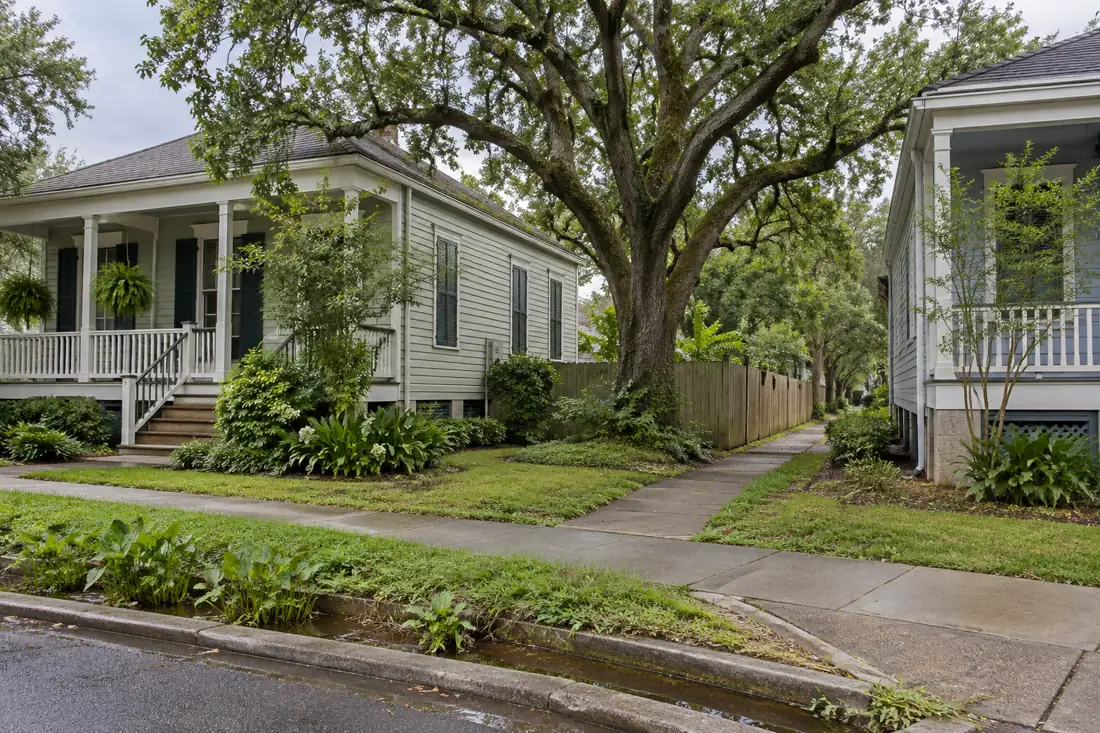
Uptown tree work often combines mature canopy with older homes, narrow lots, driveways, service lines and neighboring property. Tree Huggers evaluates the full work zone so each limb or trunk section can be handled in a controlled way.
Pruning may address deadwood, clearance, storm preparation and structure. Removal is considered when a tree is dead, unstable, severely damaged or no longer reasonable to retain.
Turn the concern into a specific tree question
Start with what you want to change. A branch may be close to the roof, deadwood may be visible above a regularly used area, or an owner may be considering removal of one tree while retaining the rest of the canopy. Describe that objective before choosing a machine or requesting a broad cutback. The estimator needs to understand the desired result and the condition you are reporting, not only the general size of the tree.
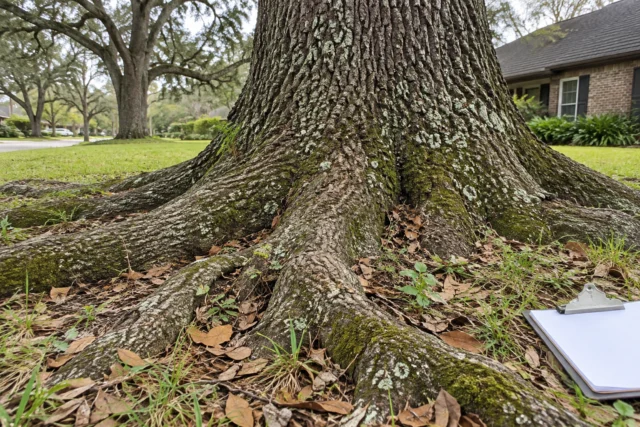
Use a full-tree photograph that includes the house and surrounding space. On a property with several trees, identify which one the request concerns. The pruning overview helps frame selective work, while removal guidance addresses a different outcome. A first message can raise both questions without authorizing either task. Keep the final accepted tree and work objective clear so useful shade is not treated as unwanted simply because it appears in the same photograph.
If an owner, resident and another contractor describe the same tree differently, use one marked wider photograph to connect their requests. Separate the owner’s final objective from preliminary suggestions. This is particularly useful where a front tree and rear tree share overlapping canopy in street views. The accepted reference should let someone unfamiliar with the original conversation find the correct tree and understand which task was actually approved without interpreting every visible branch as part of the job.
Show the route from the street to the trunk
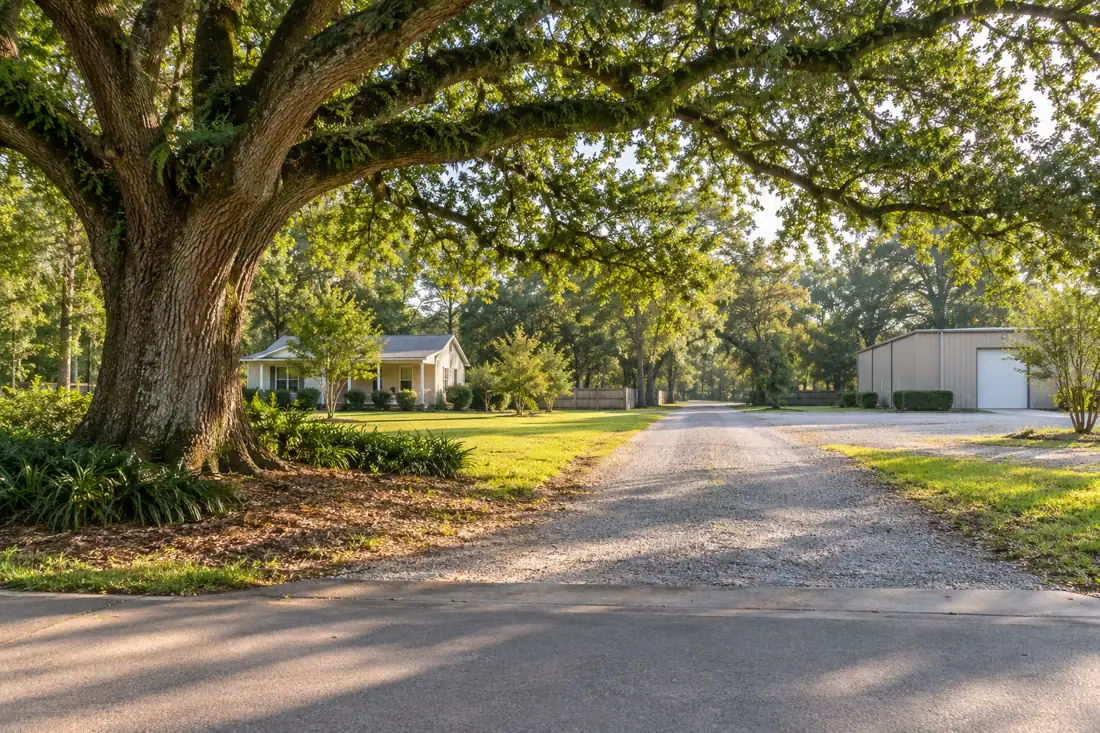
An open rear yard can still have a restrictive approach. Photograph the entry, side passage, turns, steps, gate and the area around the actual tree. Include overhead restrictions and the ground conditions you know about. Do not measure a possible route by its widest point alone or assume a gate opening tells the whole story. The material also needs a practical route out, which may differ from how a person walks into the yard.
The equipment planning hub explains how task and access are considered together. Tell the company about a route shared with neighbors or a gate controlled by someone else. A convenient passage should not be treated as available without the relevant agreement. Current photographs are especially useful when a parked vehicle, building work or a changed fence arrangement affects access differently from an older image of the same property.

Keep the roof and garden in the same work plan
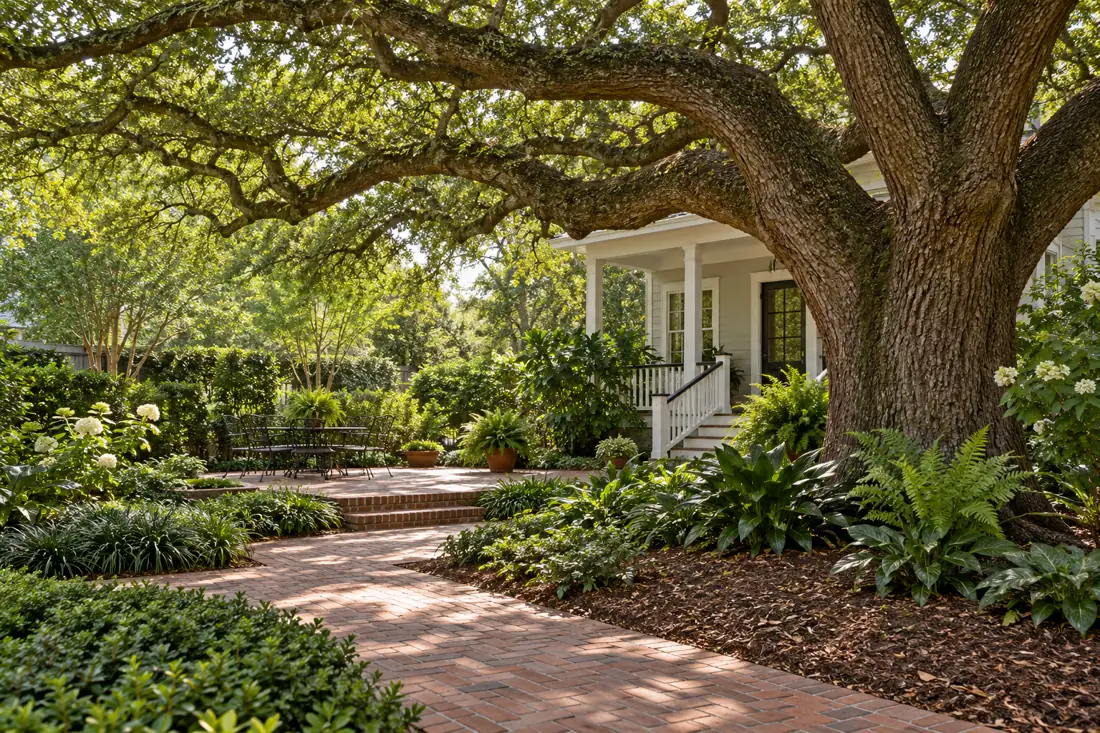
Show the branches in relation to roofs, gutters, fences, planted beds and outdoor living areas. Identify which landscape features the owner wants retained and any objects that can be moved through an agreed preparation process. The objective is to help the estimator understand the surroundings without asking the customer to cut branches, climb or move heavy objects near a questionable tree. Describe known restrictions before assuming a particular handling method will fit.
A proposed pruning scope should name the objective rather than promising an unlimited change to the crown. The preservation guide connects related retention decisions. If a future renovation or garden project motivates the inquiry, share that plan early. Tree care and later roof, paving or landscape work have different responsibilities. A clear tree-work result helps the next provider plan without assuming every adjoining property improvement is part of the same visit.
Bring the property decision-maker into the conversation
Say whether you are the owner, tenant, manager or person gathering information for someone else. Name the contact who can authorize the scope and changes. Where a tree, route or fence line involves another property, explain that situation before work is priced around an assumed permission. A customer photograph can show the physical relationship but does not establish a property boundary or a right to direct work on someone else’s tree.
For frontage or public-tree questions, use New Orleans Parks and Parkways’ tree information to identify the appropriate official process. Confirm the requirements for the actual tree and work rather than assuming that proximity to a house makes every tree private. Keep that coordination separate from the estimate itself. The accepted scope should identify what is authorized and who handles any outstanding owner, public-space or other relevant arrangements before scheduling depends on them.
Compare removal, wood handling and stump decisions
If removal is proposed, identify the intended tree and ask what happens to its branches, logs and stump. Include where material would be handled or loaded and whether any wood is requested to remain. A small front space may have a different practical role from the rear work area. Do not assume that cutting the standing tree also includes preparing firewood, stacking material wherever the customer later chooses or removing every root below ground.

Uptown: resolve neighbor-side access
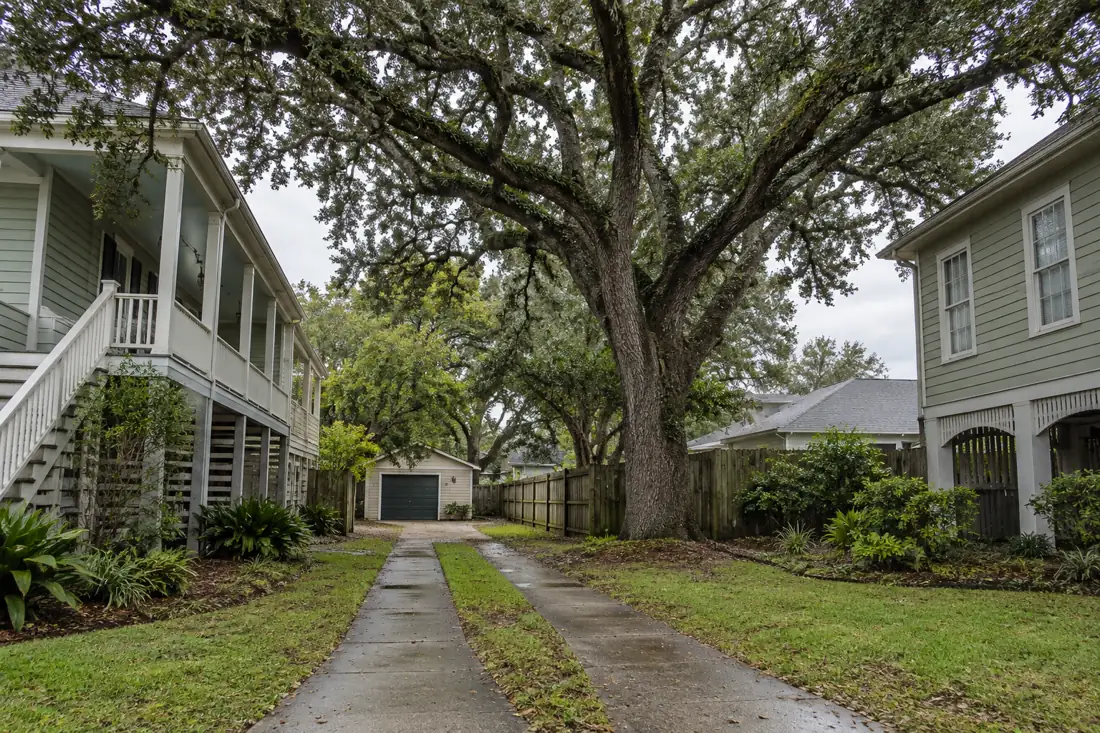
An Uptown removal or pruning estimate should identify which side of the tree can actually be reached without crossing a neighbor’s lot. A narrow walkway may permit inspection but not hauling. Photographs should show both ends of the side yard and any locked gates, steps, overhead service connections or landscaping before the work method is chosen.
If a fence line needs protection or access from the next lot, establish who can approve it and where that boundary will be marked. A verbal assumption that a neighbor will allow entry can change the equipment plan after a crew arrives.
Separate the vegetation to be cut from the material that will leave the property. Even a carefully lowered limb needs a route out. Record the debris destination, surface-protection limits and decision-maker so the final inspection concerns the agreed work.
The stump guide helps connect the work to future use. A lawn, planting bed and planned hard surface can require different follow-up. Ask separately about grinding, grindings, excavation, backfill and restoration. If another contractor performs the next stage, provide the finish that contractor needs before relying on a removal quote to supply it. A recognizable handoff is more useful than the general promise that everything will look finished afterward.
Describe household use and the available window
Explain which entries, driveways and outdoor areas the household regularly uses. Mention pets, deliveries, vehicles and people who need access during the proposed visit. A quiet photograph does not establish an empty work area for the whole operation. Ask what the property needs to make available and how the work sequence will be coordinated. The useful arrangement covers tree handling and material movement as well as the space directly at the trunk.
If neighboring access or a shared entrance is involved, identify the person coordinating it. State timing preferences, then confirm availability directly instead of treating a form submission as an appointment. The customer planning guide provides related preparation questions. Report a changed gate, parked vehicle, new building work or altered ground condition before the visit relies on an earlier assumption. Small updates can matter to a constrained site even when the requested tree task remains the same.
Separate a routine request from new storm damage
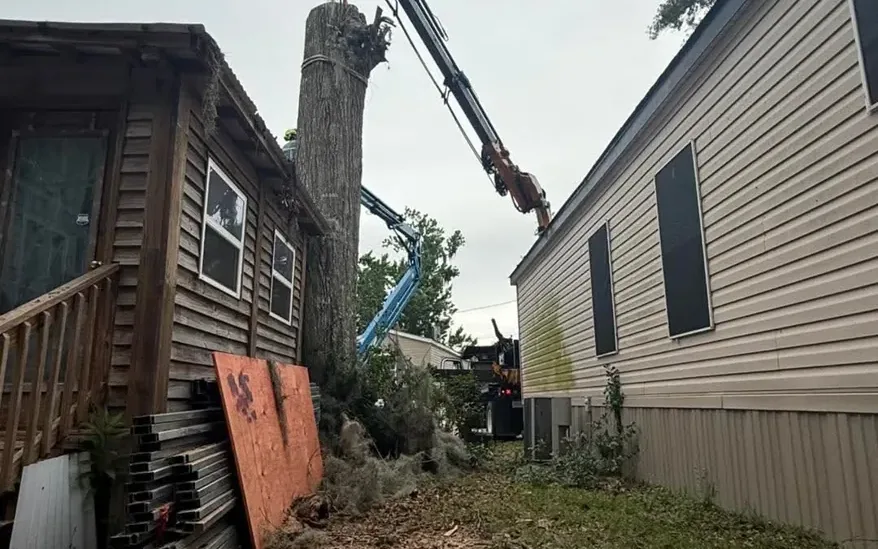
After weather, describe any newly fallen wood, hanging material, changed lean or visible split from a safe position. Keep people away from affected areas and do not approach for a better photograph. Call 504-458-8336 about current tree-work availability. Immediate threats to people or electrical involvement require the appropriate emergency or utility response. An online request cannot establish the safety of a tree or confirm that a crew has been dispatched.
The storm overview connects related response services. Explain whether a route, roof or occupied area is affected, then keep the first accepted tree task distinct from later hauling, repairs or landscaping. A damaged tree may require a different review from the pruning visit originally discussed. Update the company with the current condition rather than relying on an estimate made before the weather changed the work picture.
Finish against the tree and objective you agreed on
Keep the accepted scope, tree identification, access assumptions and material decisions together. Name the person who can approve additions and review completion. If photographs or a written record are needed for an absent owner, agree on that before the job. The record should describe the actual tasks and any remaining items without claiming that every tree on the property was assessed or that a retained tree can never change afterward.
A planning example is roof-clearance pruning for one retained tree, a separate removal in a rear yard and later planting by the owner. Those tasks share a property but have different objectives and finish requirements. Send the address, safe photos, access views and desired result to start a focused discussion with Tree Huggers about the work your actual property needs.
Tree Service Uptown New Orleans questions
What should an Uptown tree inquiry include?
Send the address, identified tree, work objective, safe photos and the complete access route.
Does a tree close to a roof automatically need removal?
No. Describe the concern and ask for the appropriate review and a defined work objective.
Why show the side passage and turns?
A wide yard or gate does not establish the suitability of the complete approach and material route.
Can a neighbor's passage be assumed available?
No. Identify who controls it and confirm the relevant agreement before the plan depends on it.
What should pruning pricing describe?
The selected tree, objective, intended work, material handling and relevant limitations.
Who should authorize work on a managed or rented property?
Identify the owner or authorized decision-maker and the process for approving changes.
Can a frontage tree be assumed privately controlled?
No. Confirm ownership and the appropriate official process for public-tree questions.
Does removal include preparing firewood?
Only the accepted material-handling scope determines that; discuss processing and placement separately.
What should be clarified about stumps?
Future use, grinding, grindings, excavation, backfill and restoration responsibilities.
Does the form reserve a work date?
No. Availability and the accepted arrangements need direct confirmation.
What changes should be reported after a storm?
Describe new fallen or hanging wood, splits, movement and affected use areas from safe positions.
How is completion best reviewed?
Compare the actual work with the identified tree, accepted objective, material decisions and remaining items.
Let’s plan your tree work.
Send the property address, safe tree photos and the result you need. Include access restrictions and the person who can approve the work.