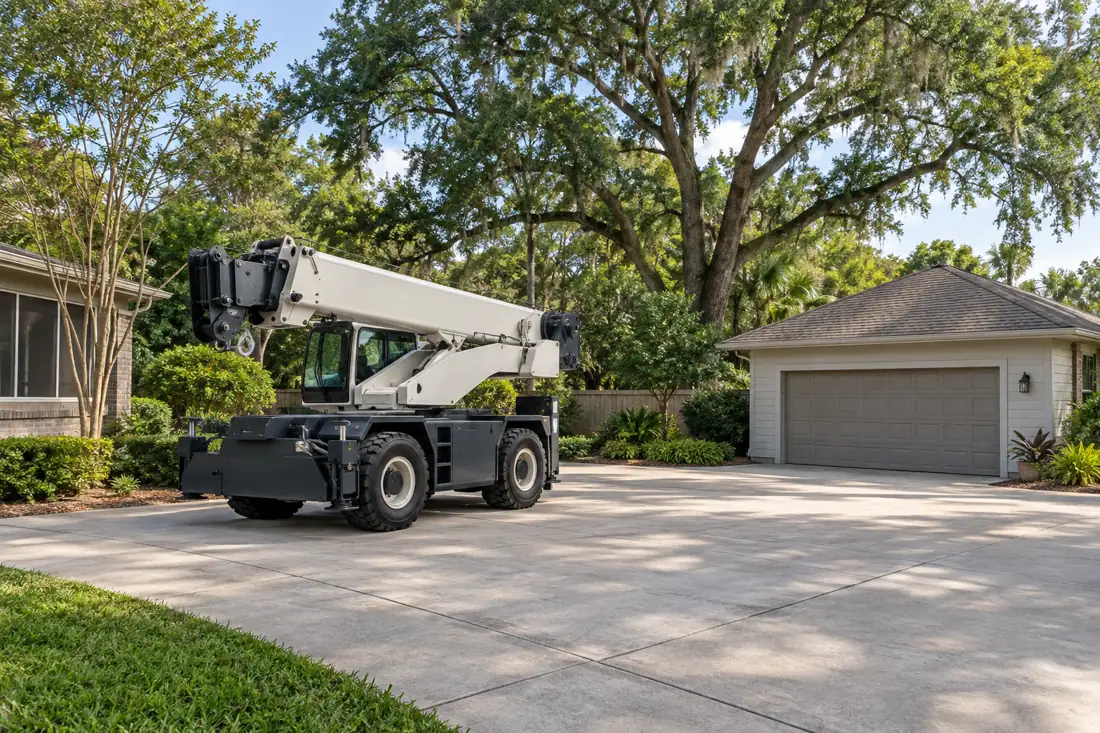
Use this equipment hub to compare access and handling approaches. For a specific lifting-assisted scope, see Crane Tree Removal; the actual tree, setup and ground conditions determine suitability.
What an equipment plan should explain to the property owner
Crane, lift and specialized tree-equipment choices depend on tree condition, loading, reach, obstacles and the ground that supports the machine. A long boom does not guarantee a particular lifting capacity at the planned radius. Ask how operators will establish an exclusion zone, protect roofs and paving, and keep bystanders out of the work area. If a setup requires access across a neighbor’s property, a street or a sidewalk, permission and any required traffic arrangements need to be handled before the workday.
Equipment descriptions should be tied to the actual scope, not treated as a promise that every tree can be handled the same way. Confirm whether the plan includes setup and breakdown, mats, material lowering, hauling, stump grinding and surface restoration. Ask who is responsible for identifying underground utilities, septic features and fragile drainage structures. Weather, saturated soil or hidden damage may require a revised configuration or postponement; those decision points belong in the project communication.
Remote-controlled tree trimming and removal
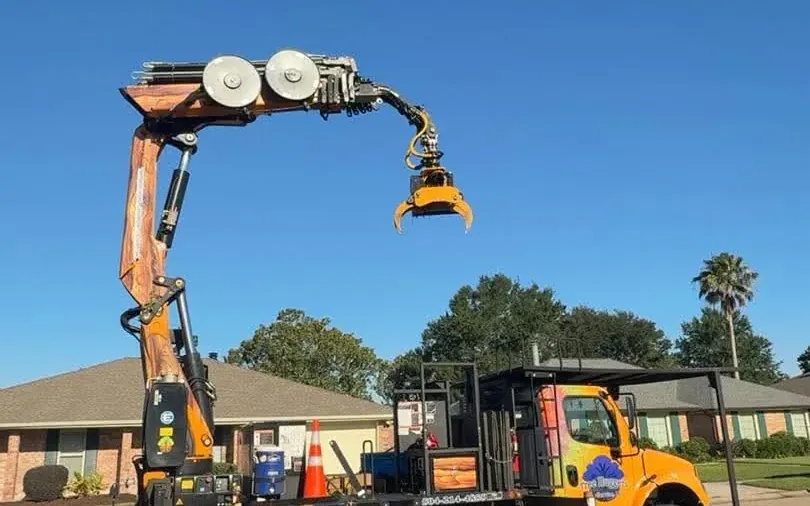
Tree Huggers’ remote-controlled tree cutting system is one of the most visible differences between our operation and a basic crew working only with climbers, ropes and chainsaws. Specialized boom-mounted cutting and grapple equipment can reach into a canopy, secure material, make a controlled cut and move that material away from the target area while an operator works from a safer position.
The equipment is especially useful on large branches over structures, storm-damaged trees with unstable canopies, trees where climbing would expose workers to compromised wood, and high-volume cutting where repeated manual rigging would add substantial time. It is not the answer to every tree. Site access, soil, reach, setup room, overhead lines and the geometry of the tree all matter. But when conditions fit, mechanized cutting can completely change the job plan.
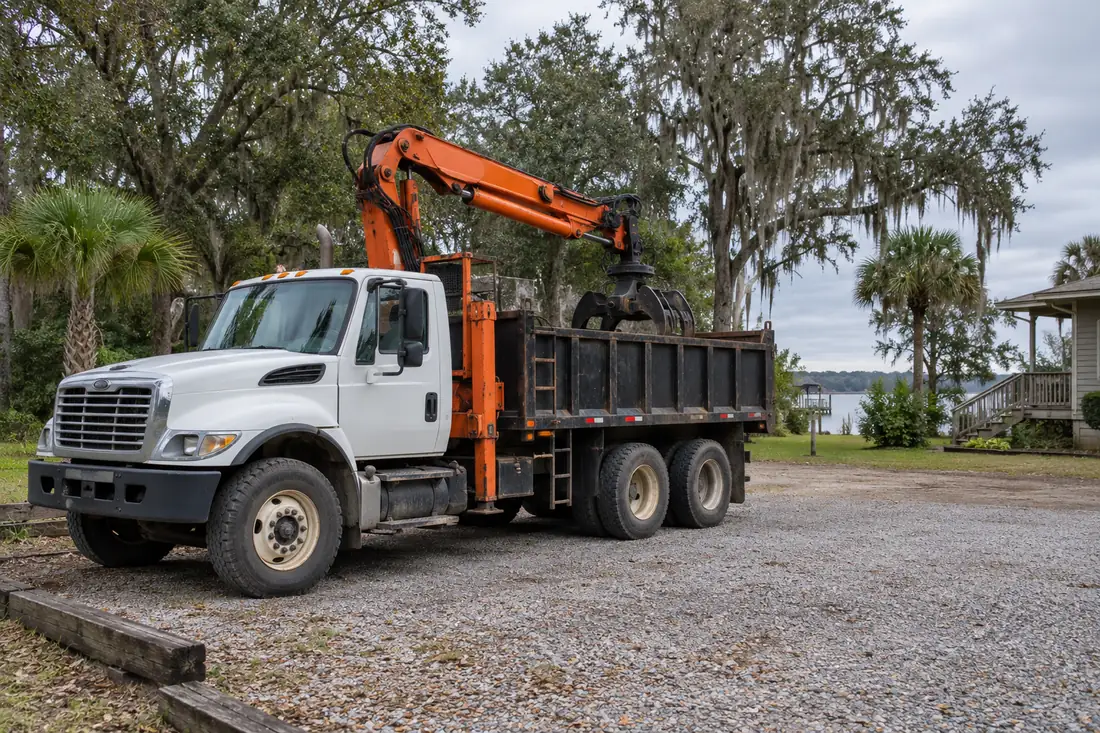
Remote-Controlled Tree Removal
Precision cutting and controlled handling from a remote operator position.
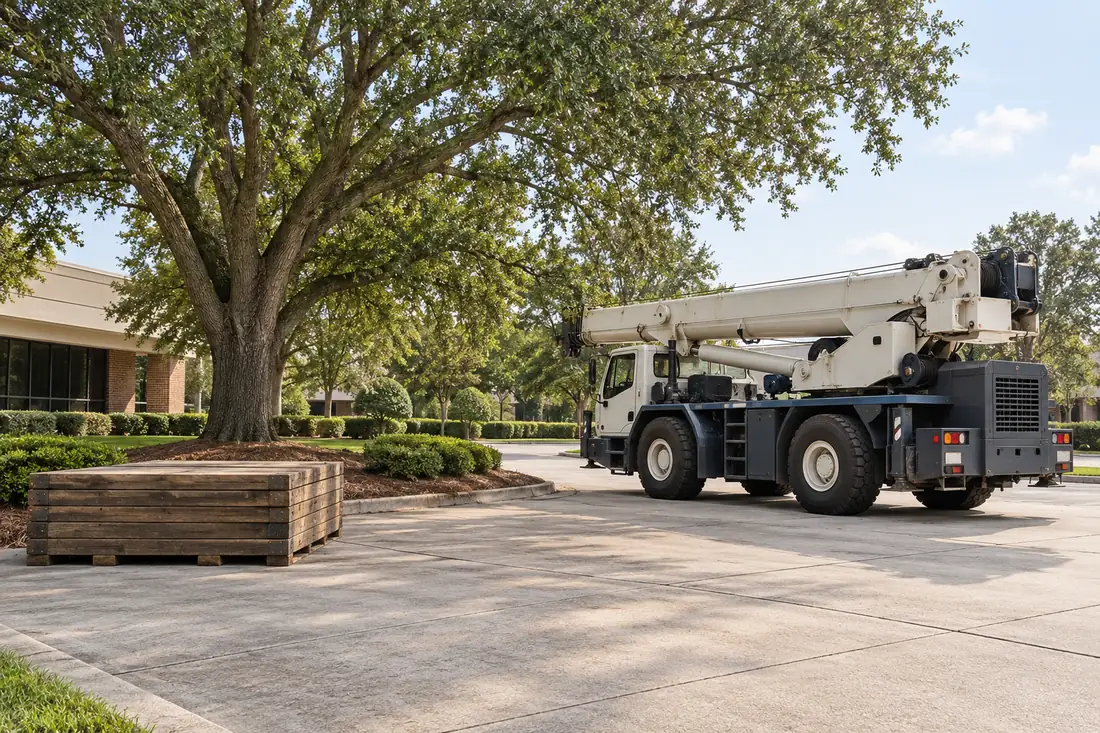
Crane Tree Removal
Crane-assisted techniques for large pieces, restricted drop zones and high-value targets.
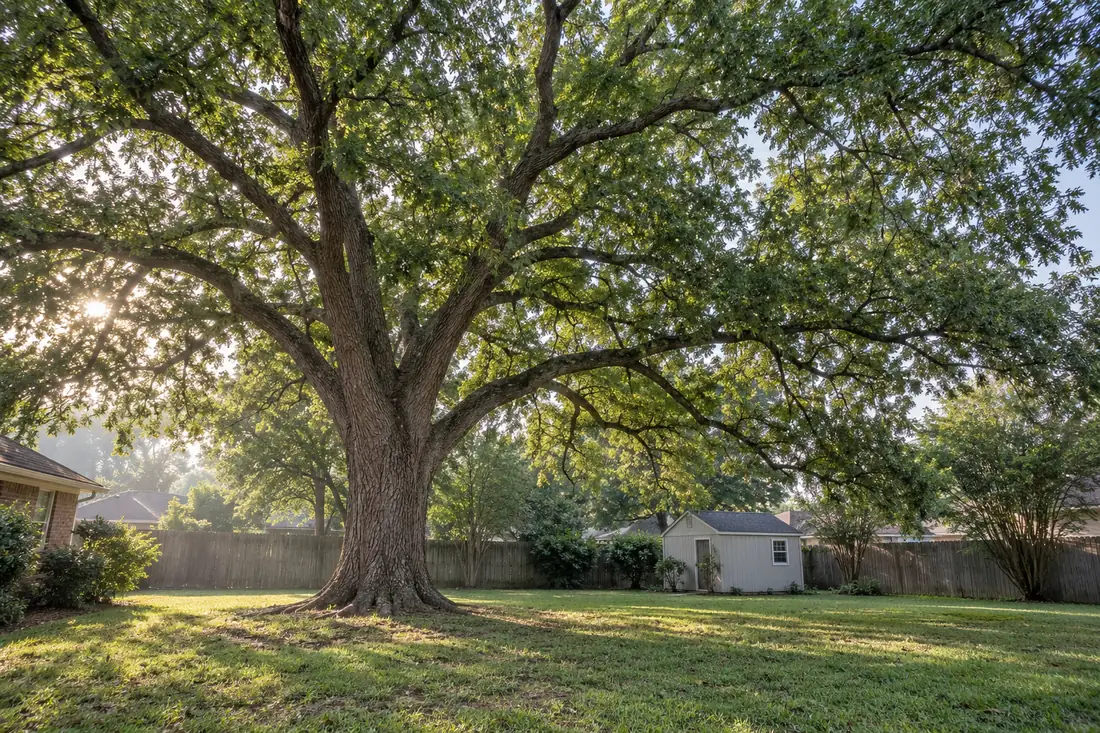
Large Tree Removal
Planning, access and equipment for mature oaks, pecans and other high-mass trees.
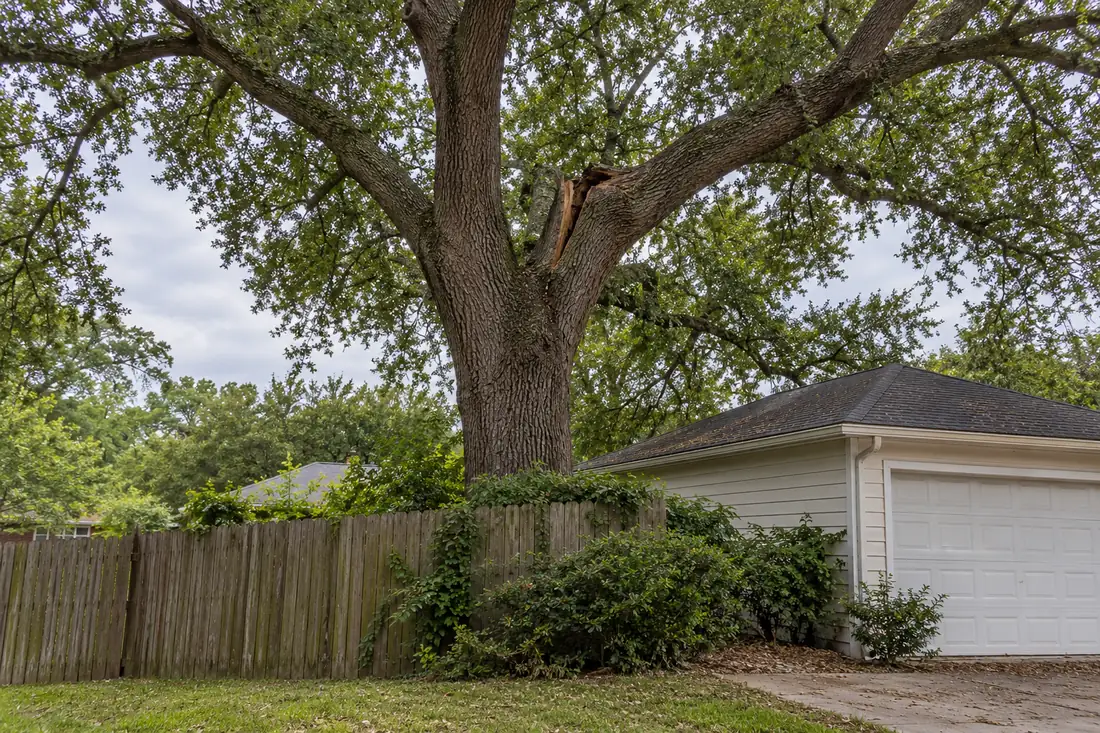
High-Risk Trees
Methods for trees with decay, storm damage, failed unions, severe lean or compromised root systems.
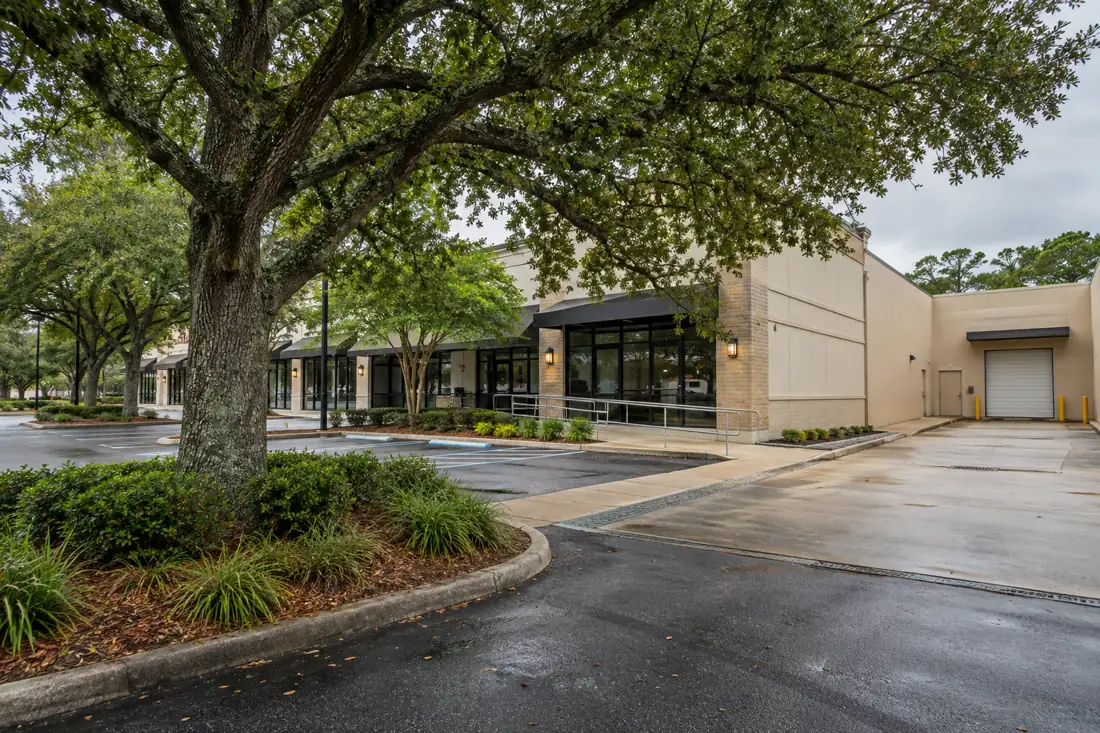
Commercial Equipment Access
Planning for campuses, parking lots, industrial sites and multi-property projects.
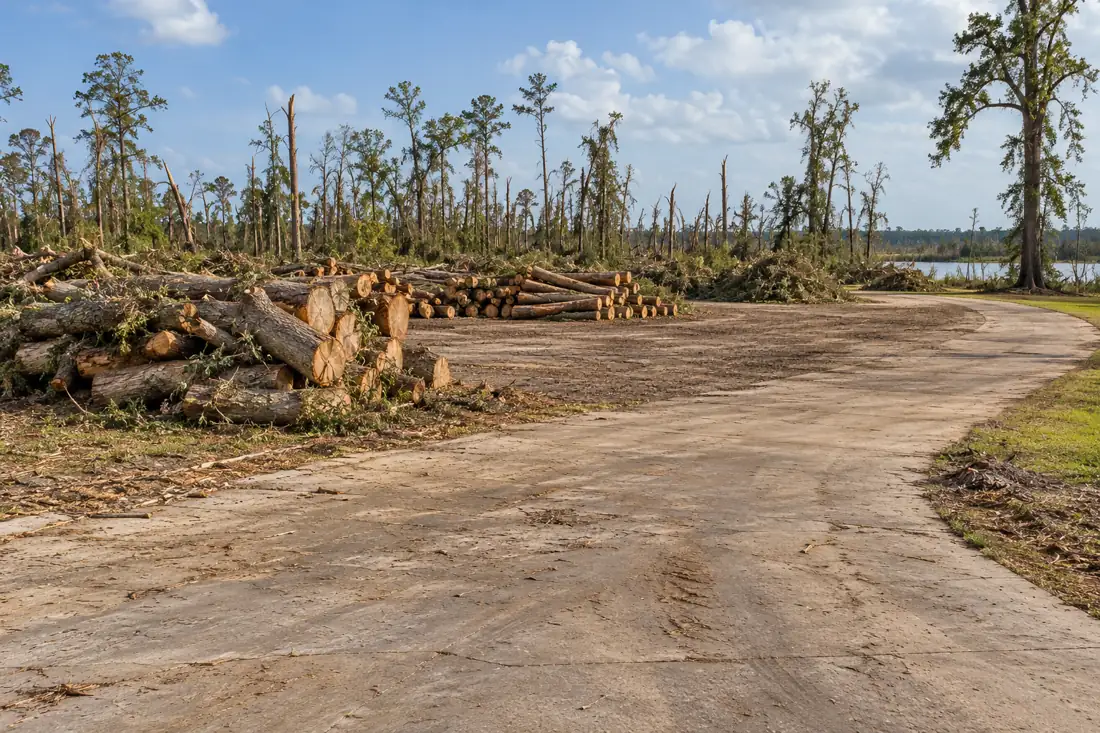
Storm Deployment
Mechanized capacity for heavy post-storm workloads where production and safety both matter.
Why mechanization can be safer
Traditional arboriculture skills remain important. Climbers, ropes, rigging and ground crews are still necessary in many situations. Mechanized systems add another layer of capability. When a machine can hold a limb before it is cut, the operator can manage the center of gravity instead of letting gravity dictate the next move. When an unstable canopy can be worked from a distance, personnel exposure may be reduced. When a large limb can be moved directly to a processing area, fewer handling steps are required.
Setup and stabilizers matter
Heavy boom equipment must be positioned correctly. Stabilizers need suitable ground, clearance and load distribution. Underground utilities, septic components, soft soils, decorative paving and limited street access can influence where equipment can be placed. On urban New Orleans properties, the setup may be the most important part of the job. We look at the path in, the working radius and the path material will take after each cut.
A major advantage for storm work
After a hurricane or severe storm, the volume of damaged trees can overwhelm available climbers and traditional crews. Mechanized cutting helps a capable crew process certain trees more efficiently while reducing the number of times workers must enter unstable canopies. That can be a major advantage during Gulf South deployments where every hour of productive equipment time matters.
Start with the tree and site, then discuss equipment
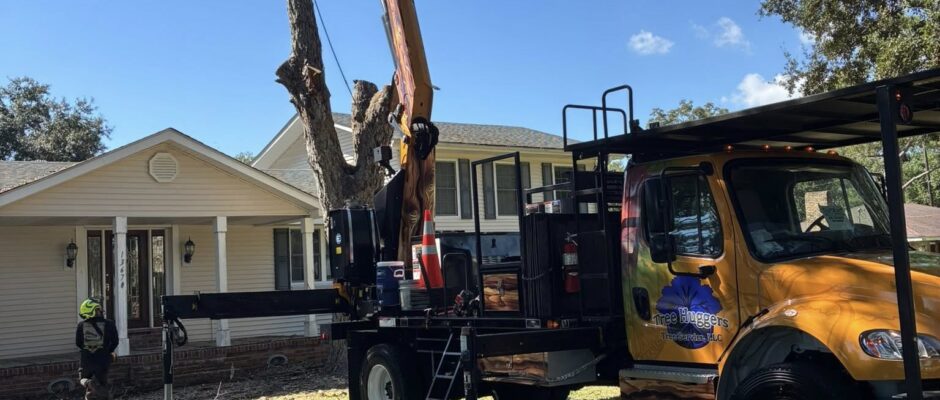
Customers often contact Tree Huggers after another contractor has raised concerns about a tree’s size, location or condition. Explain those concerns without assuming a particular machine is the answer. A photograph of a crane on a different job does not establish that it can set up at your address, reach the required position or handle the tree in the same way.
The useful starting point is the tree, the surrounding targets, the access route and the desired result. From there, Tree Huggers can discuss an assessment and potential methods. The company’s existing field photographs show people and equipment in working settings; they should be read as capability context, not a promise that every property will use the same arrangement.
Describe the approach all the way to the setup area
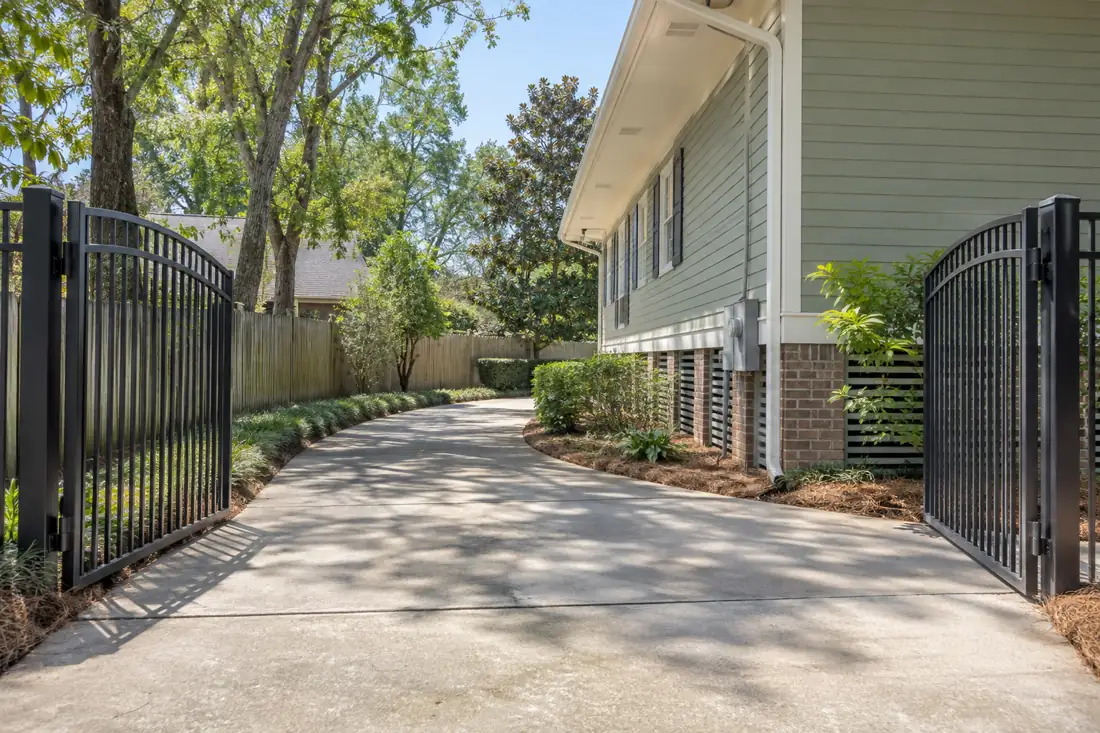
An open space beside a tree is not useful if equipment cannot reach it. Show the street approach, entrance, turns, surface changes and the area where vehicles might stand. Mention fixed obstacles, parked vehicles, gates and any route that crosses another property. Photographs from both directions help connect the apparent setup space with the real approach.
On a commercial site, include loading activity, tenant parking, delivery windows and any route that must remain available. The property contact should explain what can be closed, moved or coordinated. Access restrictions are part of the estimate, not a detail to reveal after the equipment arrives. If the approach changes after the assessment, tell Tree Huggers before the work window.
A suitable setup includes what is beneath the surface
Tell the estimator about known drains, private utilities, septic components, repaired paving and soft or previously disturbed ground around the proposed setup area. The ground may look open while concealing features that affect the plan. Heavy equipment selection and placement need the contractor’s evaluation; a homeowner should not decide capacity from the appearance of a driveway alone.
Ask how the proposed setup and any protection measures relate to your property. If another owner, agency or facility controls the area, identify the right contact early. The work may depend on arrangements beyond the tree-removal agreement itself. Scope those responsibilities clearly so the crew is not left to negotiate access, surfaces and occupied routes on arrival.

Controlled handling still needs a destination
Cutting and holding material is only part of the job. The removed section must move to an appropriate place for processing, loading or temporary staging. That path can affect neighboring trees, buildings, fences and the amount of room needed on the ground. Include those surroundings in the estimate rather than focusing entirely on the branch overhead.
Ask how debris handling connects to the equipment work. A proposal may combine cutting, moving material and hauling, or identify separate phases. If the customer wants wood retained, specify the placement and finish. If a public route or business entrance is involved, clarify how the work area will be coordinated. An efficient lift does not eliminate the need for an orderly ground operation.
Check the equipment setup before choosing a removal method
A photograph of a crane does not tell you whether that machine can work at your house. The important questions are where lifting equipment could stand, how the suspended wood would travel, whether the ground supports the plan and what lies between the tree and the loading area.
A driveway may contain underground lines, thin paving or restricted turning space. Even a machine with enough theoretical reach may not be suitable for the actual property. Describe the tree, structures and access before assuming a particular tool will be used.
Share a safe overview showing the street approach, tree base, nearest buildings, parked vehicles, fence openings and potential staging area. A crew must establish its own equipment and rigging method after reviewing the site; customers should never test ground bearing by driving heavy equipment onto a suspect surface. Ask which areas must remain clear, who obtains necessary access permission and whether debris handling is part of the same plan. A general service page explains capabilities, but the final work sequence belongs in the site-specific proposal.
Keep the methods distinct when comparing proposals
A conventional crane-assisted removal and a boom-mounted saw-and-grapple system are related specialized services, but their capabilities and site requirements are not interchangeable. Ask the contractor to explain the proposed method in terms of your tree and targets. You do not need to select a load, prescribe a lift or choose a cutting sequence to obtain a clear estimate.
The comparison should remain about a complete result: the included trees, setup assumptions, handling, hauling and finish. A larger machine, a longer equipment list or a shorter headline description does not by itself make two quotes equivalent. The crane removal and remote-controlled removal pages can help separate the questions for each conversation.
Difficult conditions should be disclosed before mobilization
Explain recent failures, trees resting on structures, major access changes and known utility involvement before anyone commits to a work plan. A compromised canopy may change the assessment and handling approach. The contractor needs the current condition, not only photographs taken when the tree was intact. Take new views only from a safe location.
For storm work, identify whether the first objective is access restoration, removing material from a structure or a broader property cleanup. Those priorities may lead to different phases. An equipment inquiry is not an emergency dispatch confirmation. If people are in immediate danger or electrical lines are involved, contact the appropriate emergency service or utility and keep clear while coordination takes place.

Check crane setup space, not only the height of the tree
A tree that requires a crane cannot be planned from canopy height alone. The estimate should start with where equipment could safely travel, how the lifting area would be isolated, and whether a stable setup position is actually available. Measure the smallest gate or driveway opening, note turning corners, overhead wires and roof edges, and photograph the proposed route from the street. The operator, not a photograph or website diagram, must establish lifting feasibility and safe capacity for the specific job.
Outriggers, mats and pavement protection may occupy much more ground than the truck itself. Landscaping, concealed utilities, soft soil and drainage structures can restrict an otherwise convenient setup location. If work may affect a road, sidewalk or neighboring access, establish who must grant permission before scheduling. Avoid assuming that an unoccupied lot or adjacent driveway is available for staging without approval, even when it looks close to the tree.
Ask for a scope that identifies crane use as a proposed method, the limits of the work area, debris-handling responsibilities and the contingency if access or weather changes. A clear proposal distinguishes tree removal from stump work, hauling and reinstatement of affected surfaces. Where specialized lifting appears necessary, the site assessment should document the reasons without promising a particular machine or lift sequence before a qualified crew examines conditions.
Make preparation responsibilities explicit
Ask what the property owner needs to arrange before the visit. That may include moving vehicles, clearing agreed portable obstacles, coordinating an access contact or confirming a work window with tenants. Do not remove a fence, alter a route or prepare a setup pad on an assumption; discuss the actual requirement first so preparation fits the agreed method.
For a public buyer or prime contractor, supply the site plans and project requirements that genuinely apply. Identify the person who can authorize changes and the documents required before mobilization. Tree Huggers can discuss a project-specific scope; the website does not establish contract eligibility, current insurance limits or approval of a proposed lift arrangement. Request current information directly when it is needed.
Price the outcome, including the last handling step
For an equipment-assisted estimate, clarify what is included in mobilization, the tree-work phase, material handling and the final cleanup. Ask how a changed site or added tree will be reviewed. If the work depends on access, another provider or an approval that is still pending, make that dependency visible before accepting a schedule.
Finish the discussion with the same practical question that starts it: what will the property look like when the agreed work is complete? A tree may be dismantled while a stump, retained logs or separate repairs remain. Include stump treatment and hauling preferences in the estimate request so the impressive equipment is part of a complete customer outcome, rather than the whole description of the job.
Crane & Equipment questions
Do I need to choose between a crane and grapple saw?
No. Describe the tree, targets and access, then ask Tree Huggers to explain suitable options. The proposed method should follow the site assessment rather than a customer selecting machinery from a photograph.
Can equipment reach over my house from the street?
Suitability depends on the actual tree, setup, reach and handling constraints. Send safe wide views and the street approach; the company must evaluate the property before confirming a method.
Is an empty driveway enough room for setup?
Not automatically. Turns, surfaces, underground features, stabilizer space and the working area all matter. Tell the estimator what you know and let the contractor assess the proposed arrangement.
What should commercial managers include in an equipment request?
Provide the tree locations, access plans, occupied routes, parking and delivery restrictions, work windows and approval contact. Include actual contract requirements rather than assuming the site can close for the work.
Does remote-controlled cutting eliminate the ground crew?
No. Material still needs controlled handling, processing, loading and cleanup. Ask how the proposed equipment method connects to the rest of the operation and the agreed property finish.
Can I request equipment for a storm-damaged tree?
Yes, explain the current damage and initial priority. Keep clear of unstable material and utility hazards. Availability and the work method need direct confirmation; an online inquiry does not dispatch equipment.
Will every large tree need a crane?
No. Tree size is one part of the assessment. Access, condition, targets and handling options determine the discussion; the best proposed method may differ between two similarly sized trees.
Should I remove a fence to make equipment fit?
Discuss the exact access requirement first. Confirm who handles the opening, permission and restoration before modifying the property; an assumed opening may not solve the actual route constraints.
Are project photos proof of the method for my property?
They show equipment and work context, not a site-specific plan for your tree. Your estimate needs to account for the present condition, setup and handling route at your address.
What if access changes after an equipment estimate?
Contact Tree Huggers before the visit. New obstacles, softer ground, altered parking or a changed route may affect the setup, method, scope or schedule and should be reviewed directly.
Does specialized equipment work include hauling?
Only as stated in the agreement. Confirm cutting, ground handling, retained wood, hauling and stump treatment so the proposal describes the complete result rather than only the overhead work.
How can I discuss a difficult tree with Tree Huggers?
Send the address, whole-tree and target views, access photographs and the desired finish. Explain why the job is difficult and who controls the site, then call or text 504-458-8336 to discuss assessment.
Talk to Tree Huggers
Get a clear estimate for your tree work.
Text the property address, a wide photo of the tree, and what you want done. We’ll talk through access and next steps.