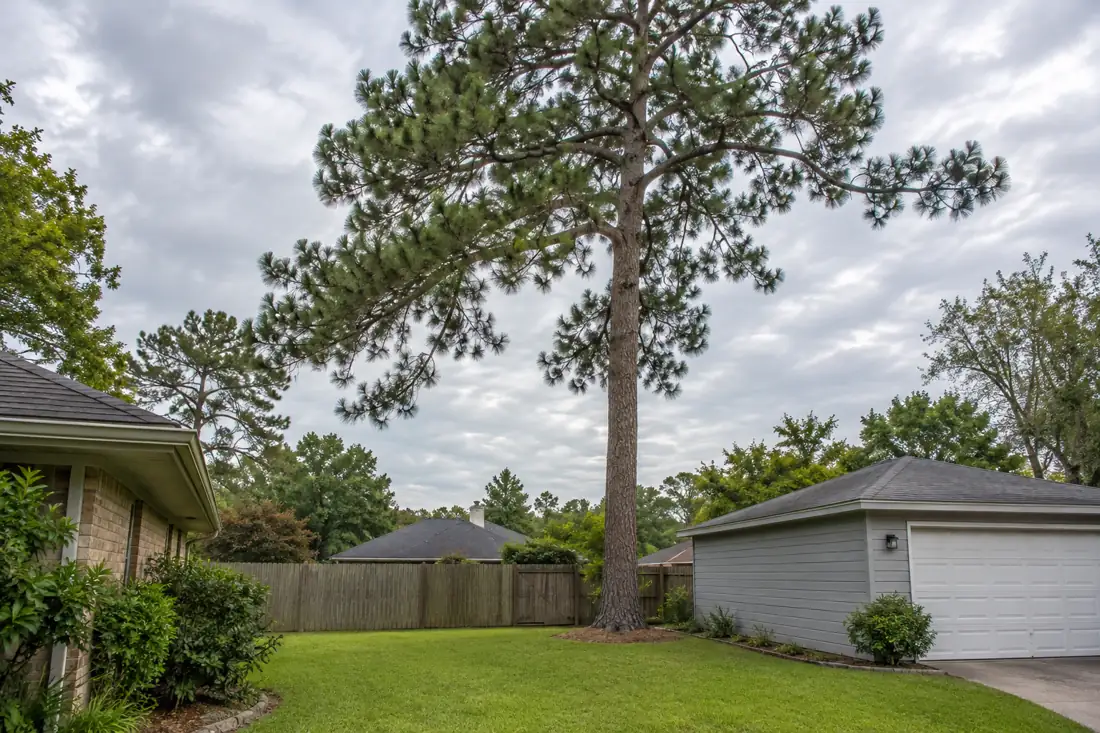
Use the same scope sheet for competing removal estimates
Ask each bidder to price the same identified tree, the same finished debris condition and the same stump treatment. Include site photographs showing driveway width, gates, overhead lines, roofs and the distance to a safe staging location. A low total that omits haul-off or assumes unrestricted machine access is not directly comparable to a proposal that includes them.
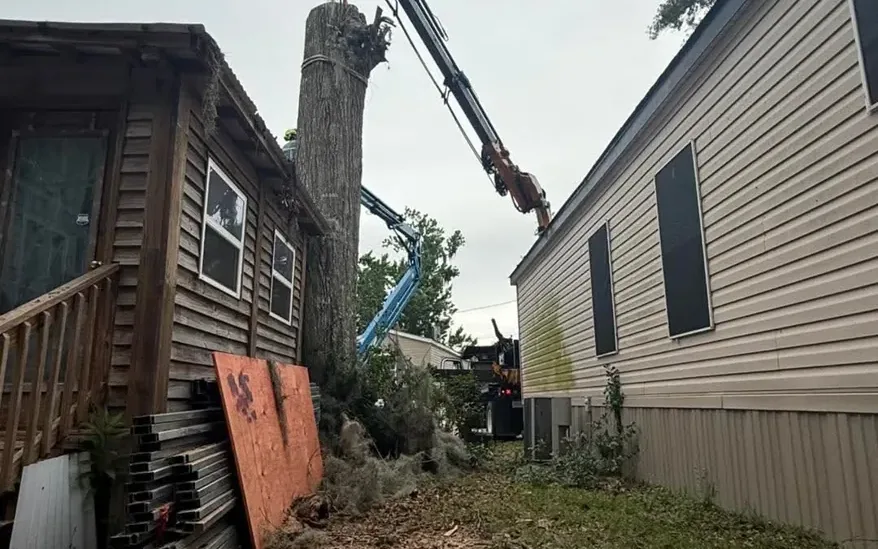
If a contractor proposes a crane, lift, climbing or rigging approach, ask what property constraint the equipment solves. The homeowner does not need to choose the cutting sequence, but should understand whether lawns, walls, neighboring access and final cleanup are part of the stated price.
Why similar-size trees can cost very different amounts
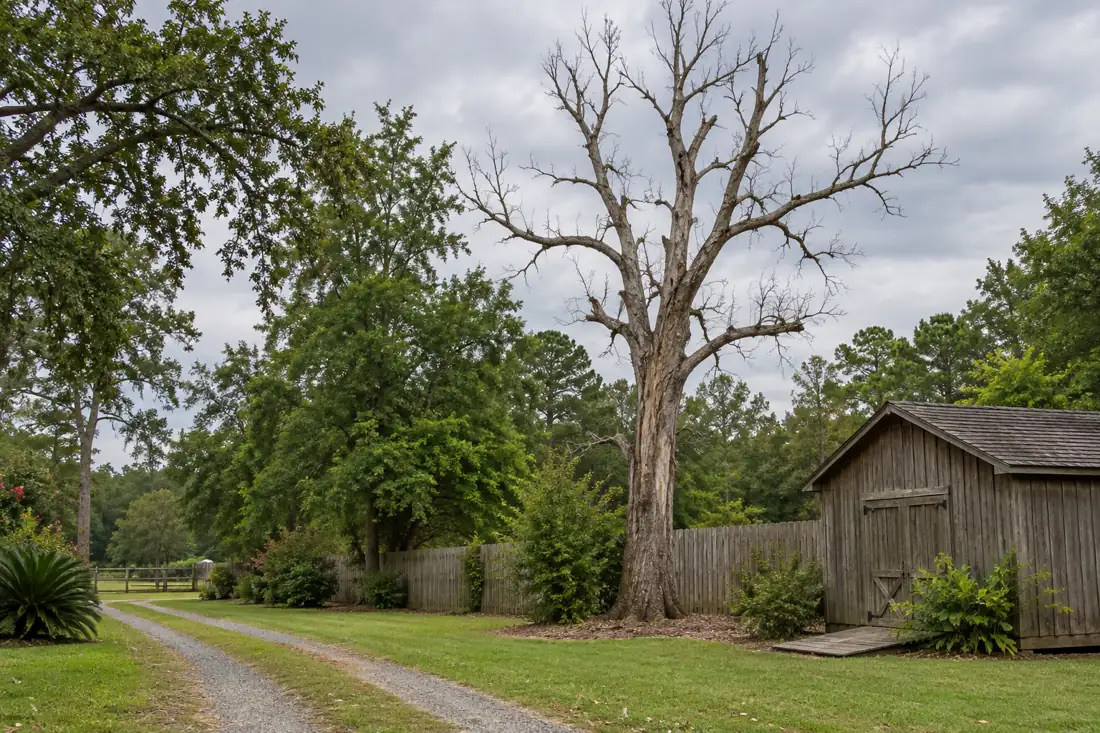
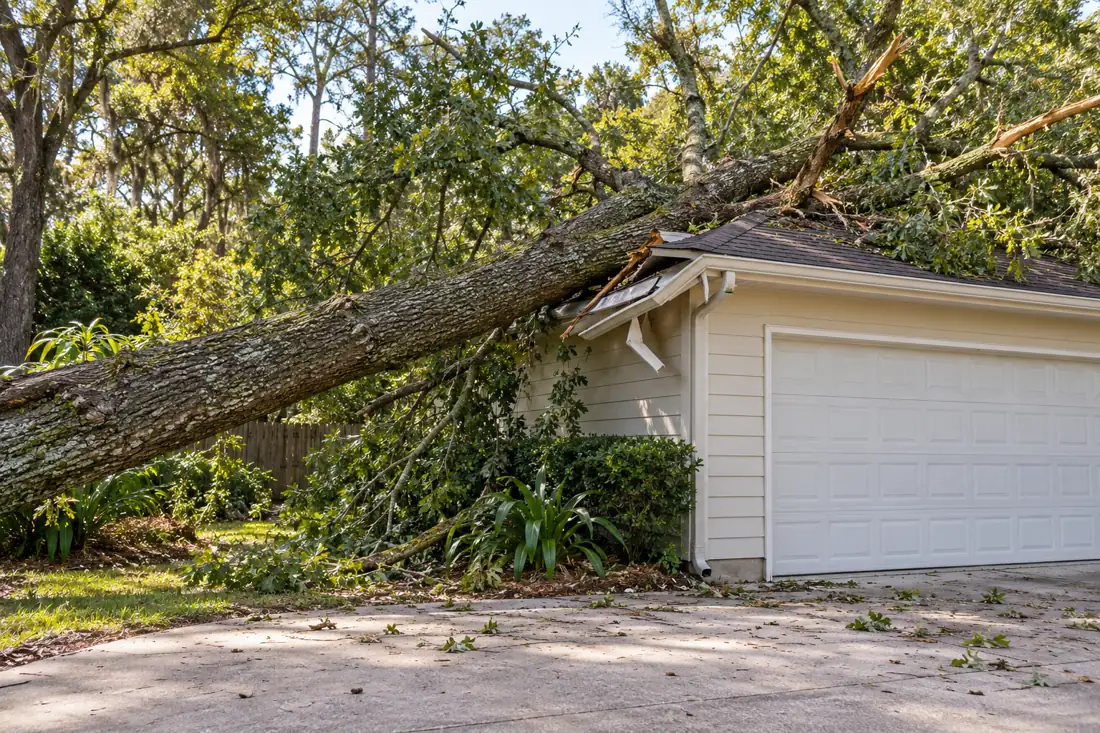
A large tree in open space may be easier than a smaller tree over a roof with no drop zone. Height, diameter, species, lean, decay, storm damage, gate access, utility conflicts, debris volume and crane or lift requirements all influence the production plan.
Photos that show the full tree, base, nearby structures and equipment route are the best starting point. High-risk or tightly confined removals may require an on-site inspection before the final scope is set.
Price the property as well as the tree
Two trees of similar height can create very different removal jobs. One may stand in open space with a direct handling route, while another spreads over roofs behind a narrow gate. Explain the surrounding property before asking for a final number. Show the full tree, base, buildings and the route to the street from safe positions. A close trunk picture cannot establish every access or handling requirement.
Tell the estimator what result you need and why the tree is being considered for removal. A routine unwanted tree, a visibly damaged tree and a preservation question may need different initial conversations. If the decision itself is uncertain, ask whether an assessment should precede pricing. The owner should not have to choose a removal method in order to request help. The company can review the actual condition and site, then explain the scope and any further information needed for a dependable estimate.
Describe tight New Orleans access before arrival
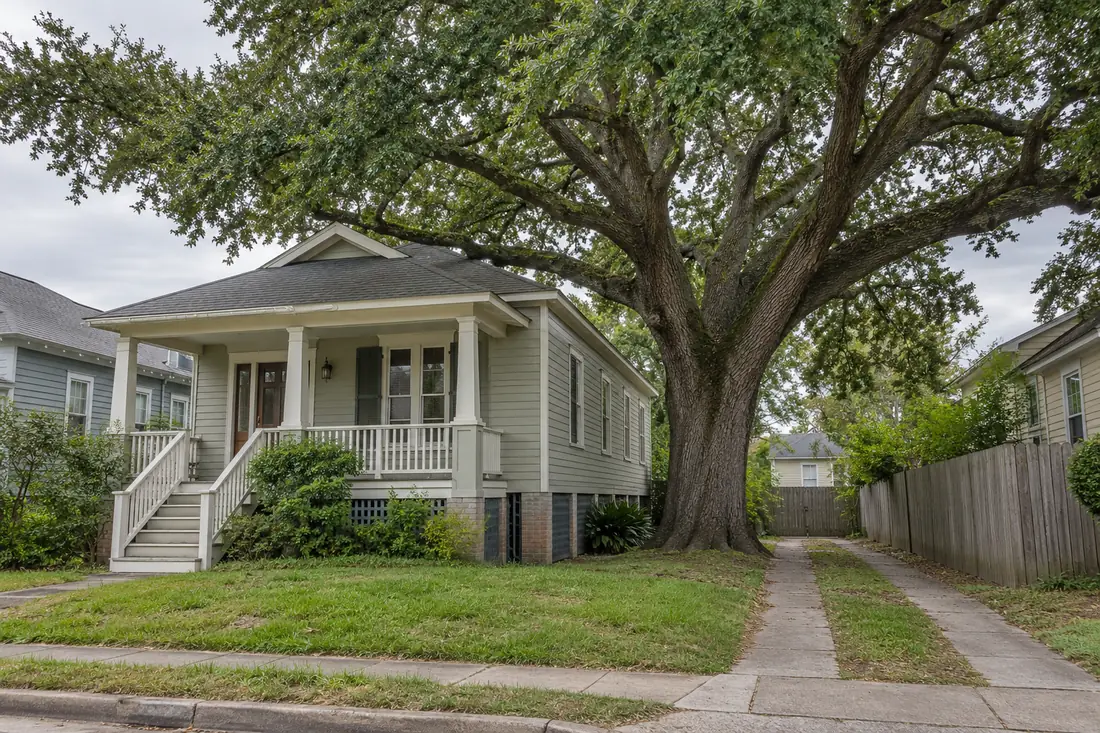
A narrow side yard, raised-house stairs, courtyard gate or shared driveway can affect how a removal is planned. Send a sequence of access views rather than assuming the front of the property represents the route to the tree. Include turns, overhead features and any surface that cannot be crossed. State which items can be moved and who controls parking or a shared entrance. These details matter to a price even when the tree itself is easy to identify.
Do not assume a neighbor’s yard, alley or public frontage is available to the crew. Confirm the relevant permission and ask who handles any required coordination for the actual location. If a fence opening is proposed, identify who makes and restores it. For an address beside public infrastructure, see tree work beside a public sidewalk to frame the discussion. Clear access assumptions make estimates easier to compare and reduce changes caused by a route that was never part of the accepted plan.

Let condition inform the handling plan
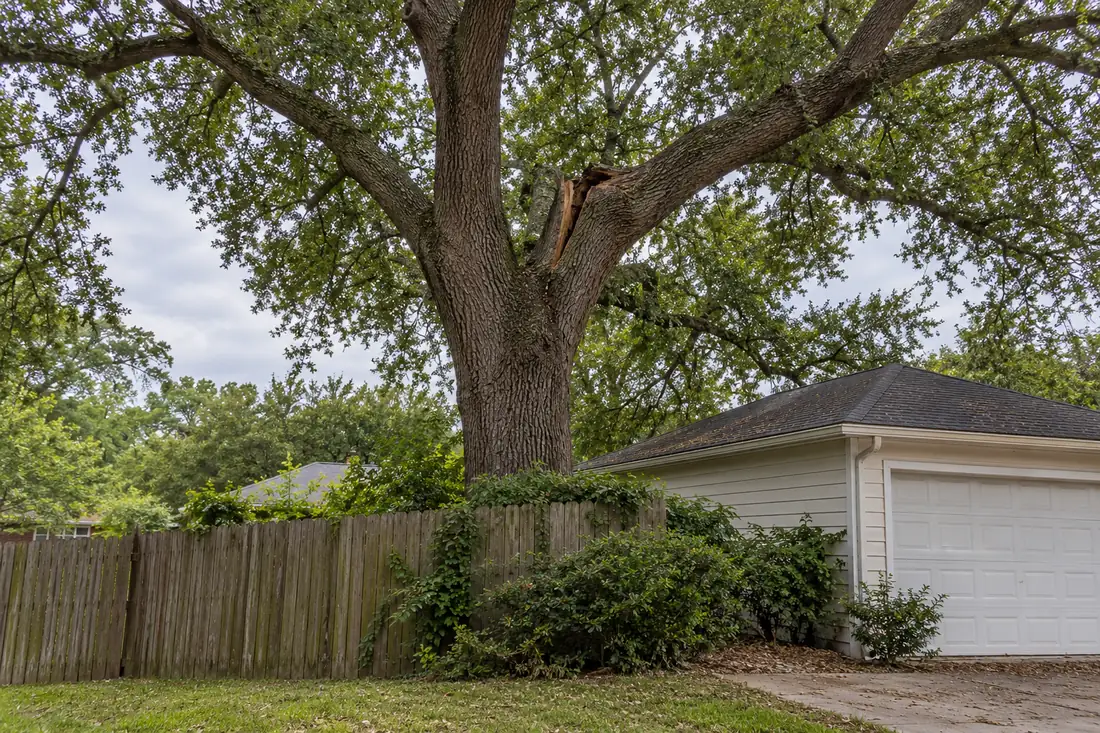
Describe known deadwood, cracks, recent lean, storm damage or material resting on another feature. Give the approximate timing of any change and keep people away from an unstable area. A removal price should reflect the condition actually being handled, not only the tree’s former size or a photograph taken before a failure. The provider may need an on-site review before confirming a method and total.
Avoid asking for a generic price adjustment based on a label such as dangerous. Explain the observed facts and nearby occupied spaces. The contractor must evaluate the implications for access, equipment and handling. If the tree changes after the estimate, report it before the appointment. A revised condition can require another review of the original scope. Ask how that review and any authorization will be handled so a necessary adjustment is understandable, rather than a surprise charge detached from the change that prompted it.
Read a removal quote by scope, not just the total
Two tree-removal estimates can name the same tree yet describe very different work. Confirm whether the price includes traffic and pedestrian control, lifting or rigging, debris hauling, the final height of the stump, and restoration of disturbed surfaces. A job over a roof or close to utilities may require access arrangements that are not visible in a photograph.
Ask the estimator to note any assumptions about shared driveways, parking restrictions, wet ground, and property boundaries. If one proposal excludes stump grinding or wood removal, compare it against the other proposal only after adjusting for those exclusions. Photos showing the full canopy, trunk base, access route, and nearby structures make the initial conversation more useful; they cannot substitute for an appropriate on-site assessment.
Compare equipment by its contribution to the whole job
A proposal may involve climbing, rigging, mechanized equipment, crane assistance or a combination suited to the property. Ask why the proposed approach fits the condition and site. A machine’s presence does not automatically establish that a quote should cost more or less than another method. The total project includes setup, handling, material removal and the agreed finish, so one equipment line should not become the entire comparison.
If you are given equipment alternatives, ask whether both achieve the same result and rely on the same access assumptions. Do not choose solely from a brochure’s maximum reach or an online demonstration. The crane-removal cost guide explains the setup questions, while remote-controlled removal explains that equipment category. The provider remains responsible for determining suitability. The owner needs a clear explanation of the proposed scope and limitations rather than an unverified technical calculation.
State the desired cleanup before collecting totals
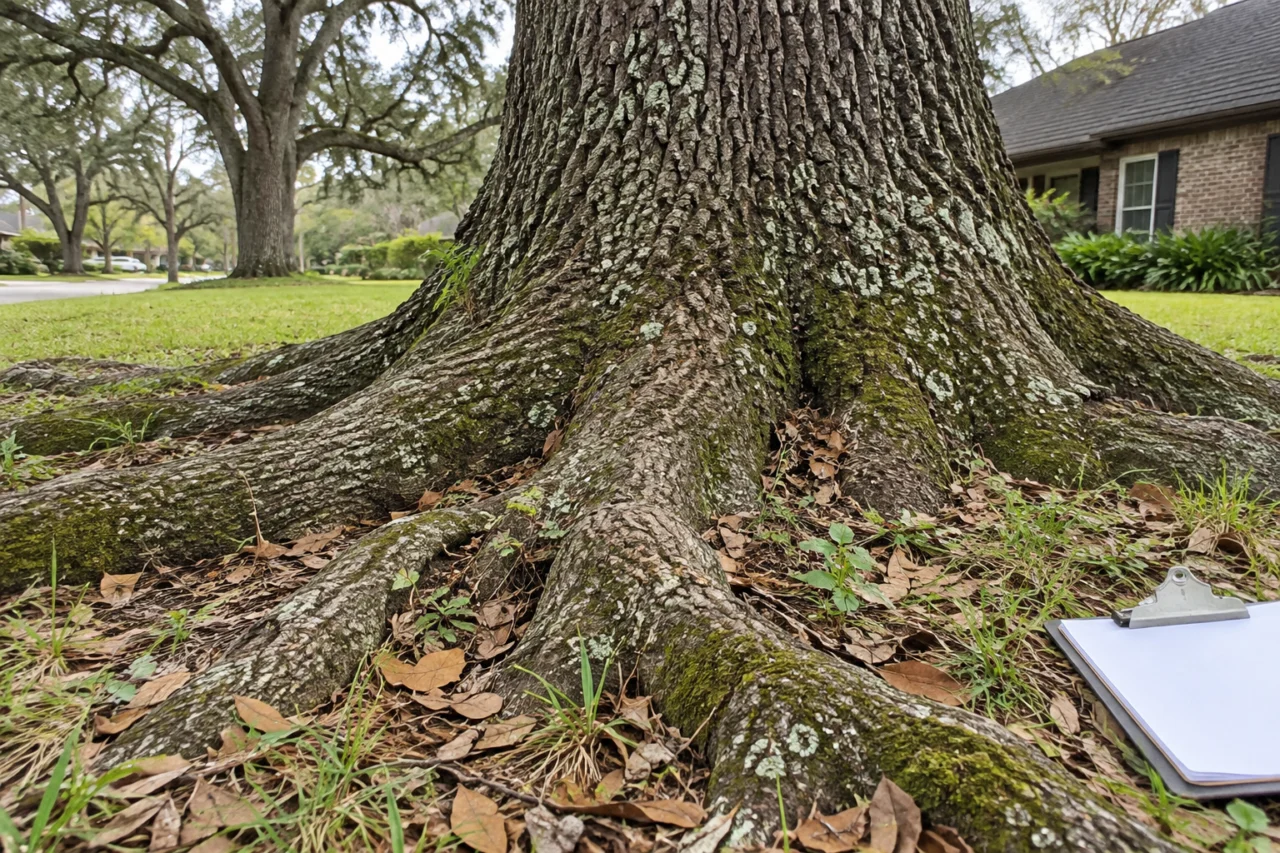
Ask whether the proposal includes branch and log hauling, wood retained by the owner and material scattered across the site. If you want firewood kept, identify where it should go and whether extra processing is included. A price that leaves logs near the stump is different from one that includes loading and hauling them away. Both can be legitimate scopes, but they should not be compared as identical complete removals.
Discuss the access route’s handover condition too. Routine debris cleanup, a temporary fence opening and landscape restoration are different responsibilities. Identify new sod, soil, garden repair or other follow-up work separately where relevant. Keep those decisions with the agreement rather than relying on a general promise to leave everything clean. At completion, the owner can then compare the actual result with specific tasks and locations, while another provider can understand what remains before starting the next phase of the property project.
Separate the stump and future use of the ground
Removing the standing tree does not automatically remove its stump or every lateral root. Tell the estimator whether the next use is lawn, planting, paving or another project. Ask which grinding or excavation work is included and what material remains afterward. If another contractor needs a particular preparation, obtain that provider’s requirements rather than assuming a standard removal scope meets them.
The stump-grinding cost guide addresses that separate part of the estimate. Confirm grinding depth and footprint, grindings handling and any imported soil or landscaping. These choices can change the total amount needed to reach the owner’s intended finish. A lower tree-removal number may simply leave more work for later. A fair comparison identifies the complete desired result first, then shows which provider handles each part, with no assumed inclusion based only on the phrase tree removal.
Compare written scopes using the same information
Give each provider the same address, current photographs, requested trees and finished condition. Ask for the identified work, access assumptions, exclusions and change process in writing. Confirm what current credentials or documents you need for your property and request them directly. A precise agreement is more useful than choosing the lowest number from estimates that use different tree counts, hauling arrangements or preparation assumptions.
If one proposal is unclear, ask for clarification before treating the difference as a price advantage. Explain any timing constraint, but do not assume an online request reserves a crew. Keep the accepted quote and approved revisions together. If several owners or a property manager share the decision, name the person who can authorize changes during the job.
The aim is an estimate the customer can explain and verify, without padding the scope or relying on a national price average to describe a particular New Orleans property.
Send a useful removal-estimate request
Include the address, safe whole-tree and base views, the nearest buildings and the full access route. Mention recent changes, utilities, delicate surfaces and anything that cannot be moved. Say whether you want hauling, stump grinding, retained wood or a handover for another contractor. If you need an assessment before deciding on removal, make that the first question rather than requesting a price for an outcome you have not yet chosen.
Make removal estimates comparable before comparing totals
Two tree-removal proposals may appear to cover the same tree while pricing entirely different work. Before requesting totals, identify the exact stem, what area the crown extends over, whether an adjoining owner controls access, and the space available for equipment and debris. A photograph from the street does not reveal a narrow side gate, soft ground or a roof directly beneath the far side of the canopy.
Ask each bidder to separate the chosen removal sequence from the desired finish. Does the scope include moving cut wood from the property, grinding the stump, removing grindings, protecting turf, and repairing incidental surface impacts? If one quote excludes hauling and the other includes it, a simple dollar comparison is misleading. A complete scope should also identify known utility or permit coordination instead of assuming those approvals already exist.
Use the walk-through to document exceptions and ask how changed conditions will be authorized. A dead upper branch, hidden fence footing, or limited loading position may affect feasible methods once examined in person. The useful final comparison is what each contractor has agreed to deliver, what is excluded, and who will approve any additional work; the lowest number alone cannot answer those questions.

Tree Huggers can review the request through tree removal, text photos or the estimate form. A site visit may be needed before a firm scope and price are confirmed. There is no invented rate or universal tree-size formula on this page because the relevant purchase is the actual work at the property. A clear request gives the company a better basis to quote that work and gives you a fair way to compare the proposal, finish and responsibilities before scheduling.
Compare removal estimates with the right type of work
A removal quote covers a decision to take down the tree and a plan for its handling, not just the amount of wood visible from the street. Compare whether the estimate includes sectional rigging, crane or lift access when justified, traffic or occupant protection, haul-off and the site condition after work. Stump treatment is often a separate choice; it should never be assumed from the word “removal.”
If the tree is being retained, the proper comparison is the tree trimming cost guide, where pruning objectives, exact limbs and cleanup drive the scope. If the remaining stump is the only problem, use the stump grinding cost guide. These are different services; combining their prices without matching the written scope can make an estimate comparison misleading.
Compare tree removal estimates by the same finished scope
Two estimates can describe the same tree and still propose very different work. Start by confirming whether each quote identifies the same trunk, canopy, working area and expected finished condition. An estimate that includes removing all wood, hauling brush and cutting material to a requested height is not directly comparable with one that stops after the tree is safely on the ground. Ask whether stump grinding is included or priced separately rather than assuming removal includes below-grade work.
At a New Orleans property, the route from the street to the tree can matter as much as the tree’s height. Narrow gates, wet ground, fences, overhead utilities, nearby buildings and parked vehicles change the handling plan. A contractor may need to process smaller sections or stage material in another area. Share safe photographs showing the base, canopy, rooflines and full access route, and identify the surfaces or landscape elements you expect to protect.

Access, disposal and the definition of done
Ask how the proposal handles wood, branches, chips and site cleanup. Some owners want usable wood left in an agreed location; others need everything hauled off. Confirm who is responsible for permissions if work needs access beyond your property. Describe private utilities, irrigation, septic features or recently disturbed soil that may affect access. These details help the provider identify exclusions before work starts instead of improvising a different price after equipment arrives.
A useful comparison also states how unexpected conditions and requested changes will be approved. A cavity hidden behind foliage or a change in vehicle access can require a revised method, but it should not make scope decisions invisible to the customer. Request a written description of the tree, tasks, materials disposition and remaining work. Cost guidance is general until the actual site and condition have been reviewed, and no advertised range can replace that assessment.
A local tree-removal quote should account for the property as well as the trunk
A New Orleans-area tree-removal estimate must reflect what surrounds the tree: narrow driveways, neighboring homes, fences, raised-house access, buried utilities, saturated ground and limited truck staging can change how the work is approached. Species and visible size help start the discussion, but they are not a substitute for evaluating defects, loading, equipment access and the desired finish. Quoted totals are not comparable if one bidder expects a clear drop zone and another must dismantle the crown carefully.
This general price-planning page is for assessing total removal scope, not determining the price of a particular crane. Ask for the same tree, protection requirements, stump treatment and final debris condition to be described in each proposal. If crane assistance is recommended, compare why it is needed and how it changes the entire job; the dedicated crane-cost guide breaks down that specialized equipment discussion without inventing a price table.
- Show the tree together with structures, drive access and overhead obstacles in safe ground-level photographs.
- Keep stump grinding, complete root excavation and landscape restoration separate unless expressly included.
- Ask for clear exclusions, expected communication and the process for discovering additional hazards.
For the related but different decision, see Crane Tree Removal Cost. Confirm the work required for this property before relying on a general example.
Tree Removal Cost in New Orleans questions
Why can similar-size trees have different prices?
Their condition, surroundings, access, handling and requested finish can describe very different jobs.
Can a final price be based on one trunk photo?
A close photo alone does not show the complete tree or site. Wider views and sometimes a site visit are needed.
Should I tell the estimator about a narrow gate?
Yes. Show the whole route, including turns, overhead features, surfaces and any shared access.
Can neighboring property be assumed available?
No. Confirm the necessary permission and arrangements before including it in the plan.
Does crane assistance always increase the total cost?
No universal comparison applies. Evaluate equipment as part of the complete handling and cleanup scope.
Does removal always include hauling logs?
Not automatically. State which material is hauled, retained or additionally processed.
Is stump grinding part of every removal quote?
No. Confirm stump treatment, grindings handling and restoration separately.
What if I plan concrete after removal?
Share the next provider's actual preparation requirements so remaining roots and excavation needs are understood.
How should several estimates be compared?
Use the same identified trees, current condition, access assumptions, hauling and finished result.
Should a changed tree condition be reported?
Yes. Report new failure, lean or damage before arrival so the original plan can be reviewed.
Does requesting an estimate reserve a date?
No. Obtain direct confirmation of the scope, availability and appointment arrangements.
What should I send first?
Send the address, safe tree and access views, condition history and the finish you want after removal.
Compare the full tree-removal outcome, regardless of equipment
A useful removal estimate begins with the tree, surrounding targets and desired result. Show the whole canopy, trunk base, nearby lines and structures, narrow approaches and possible material-handling areas from safe ground positions. Ask each contractor to identify which trees and limbs are included, whether stump treatment is separate, whether wood or chips remain, and what cleanup the owner will receive. A lower total with significant exclusions is not necessarily the same project as a complete haul-away scope.
If a crane appears on a proposal, the crane-cost guide helps identify setup and equipment assumptions that can explain differences between bids. If the site has a tree over a building or little room for safe ground handling, the crane-assisted service page discusses method suitability rather than quoting price.
This general cost guide stays focused on comparing the finished job across methods. Avoid relying on a height-only price rule or an unverified online figure; site conditions and agreed exclusions matter more than a generic price band.
Related decisions: Crane Tree Removal Cost · Crane Tree Removal
Let’s plan your tree work.
Send the property address, safe tree photos and the result you need. Include access restrictions and the person who can approve the work.