Find the guide for your next decision
Browse project-specific planning topics below. Each collection links to practical scenarios and the relevant Tree Huggers service.
Site planning detail: Start in the knowledge center with the problem visible on your property, not the name of a machine. A hanging limb after a storm requires different guidance from routine canopy thinning, a hollow trunk, soil cracking near roots or a stump left behind after removal. A useful guide explains observable warning signs, immediate safety boundaries and the information a professional needs to make an assessment.
Photographs from a safe distance can show the whole tree, nearby structures, the root area and the access route without putting anyone beneath suspect limbs. If utility lines are involved, keep away and contact the utility rather than assuming a tree crew can work around energized conductors. Use related guides to move from recognition to preparation and a service inquiry; a web article is never a substitute for site-specific risk evaluation.

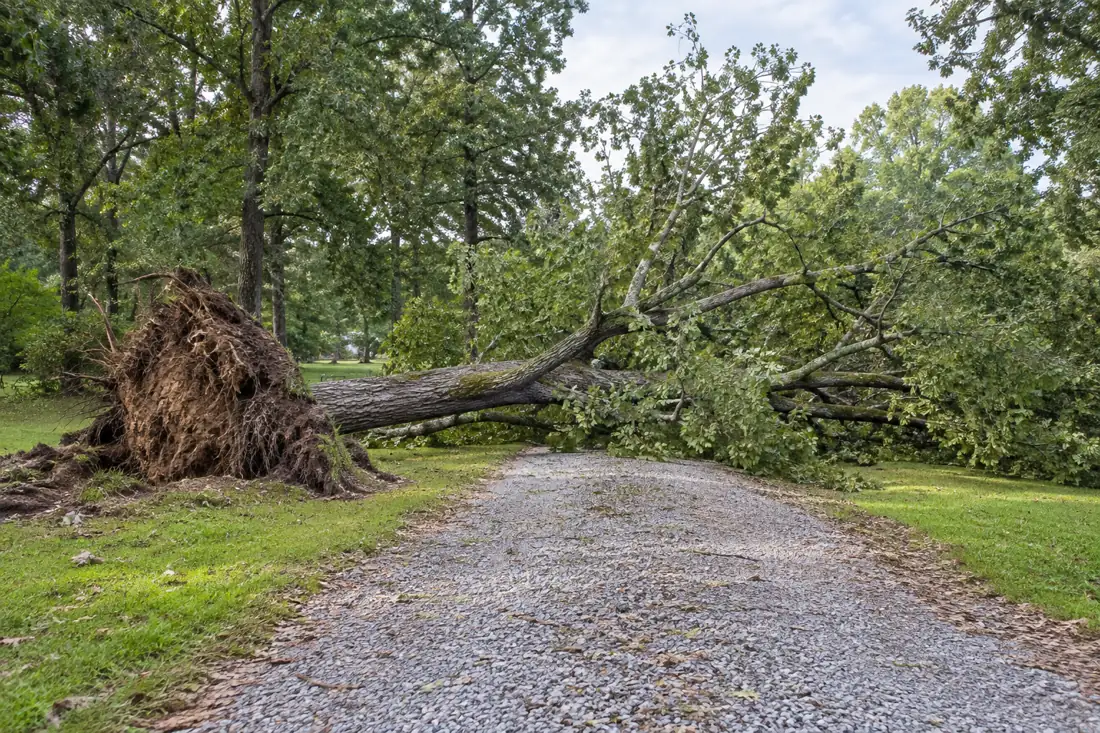
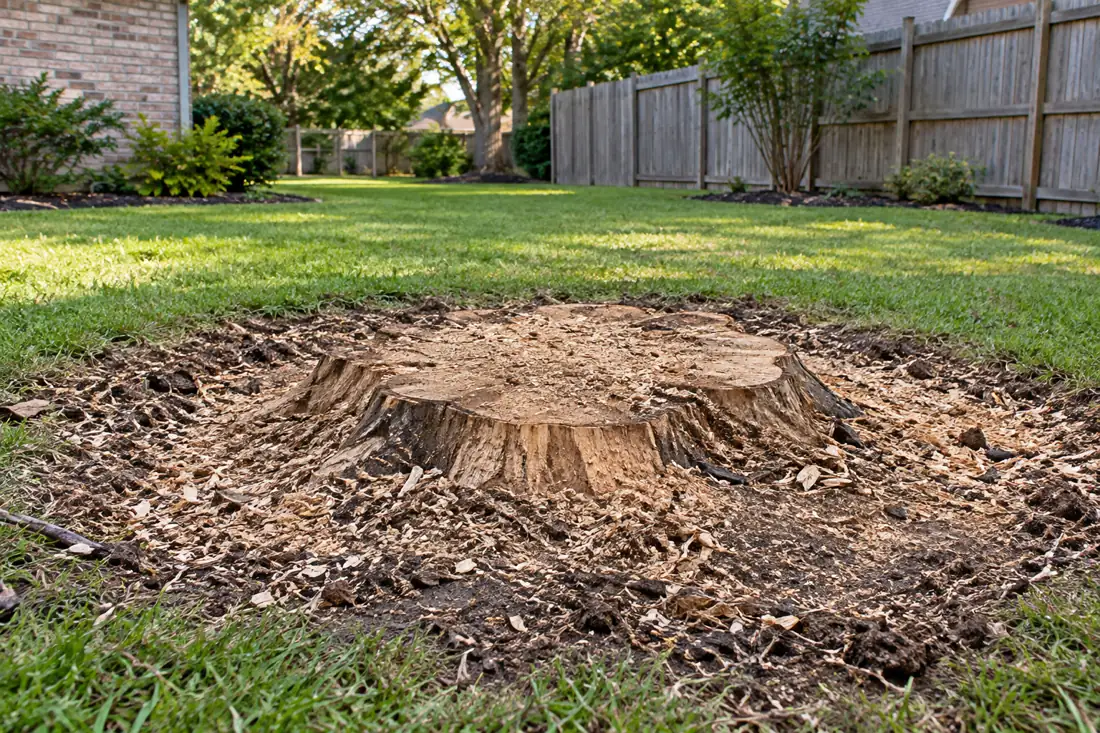
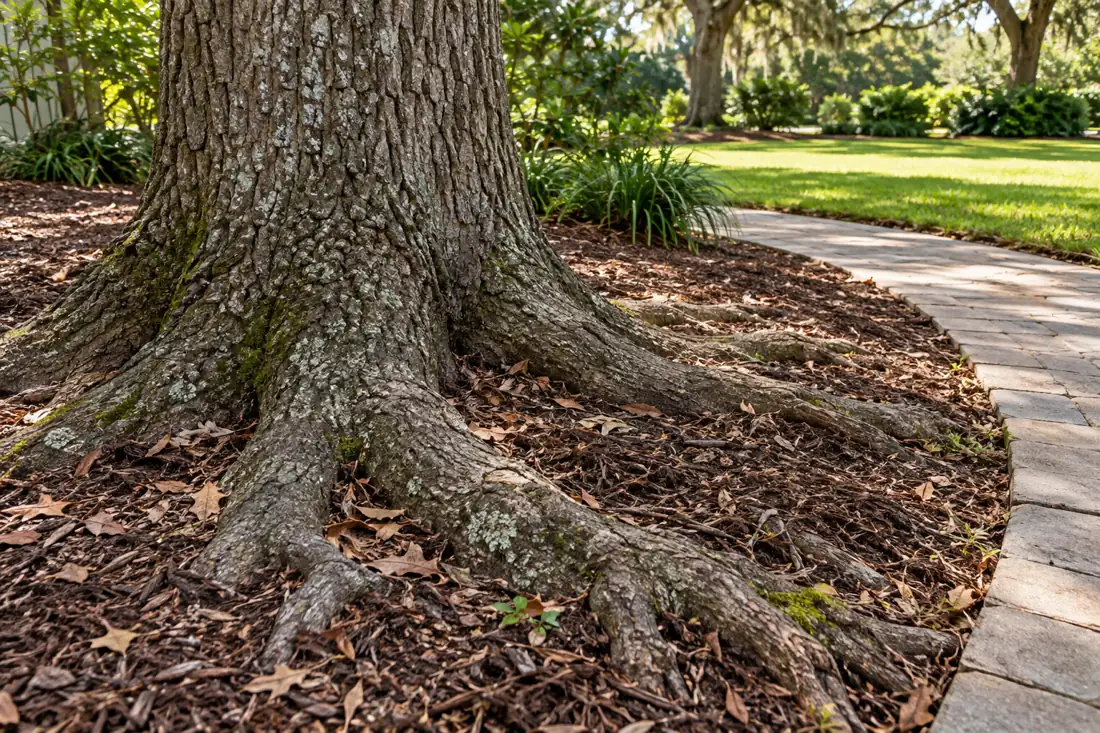
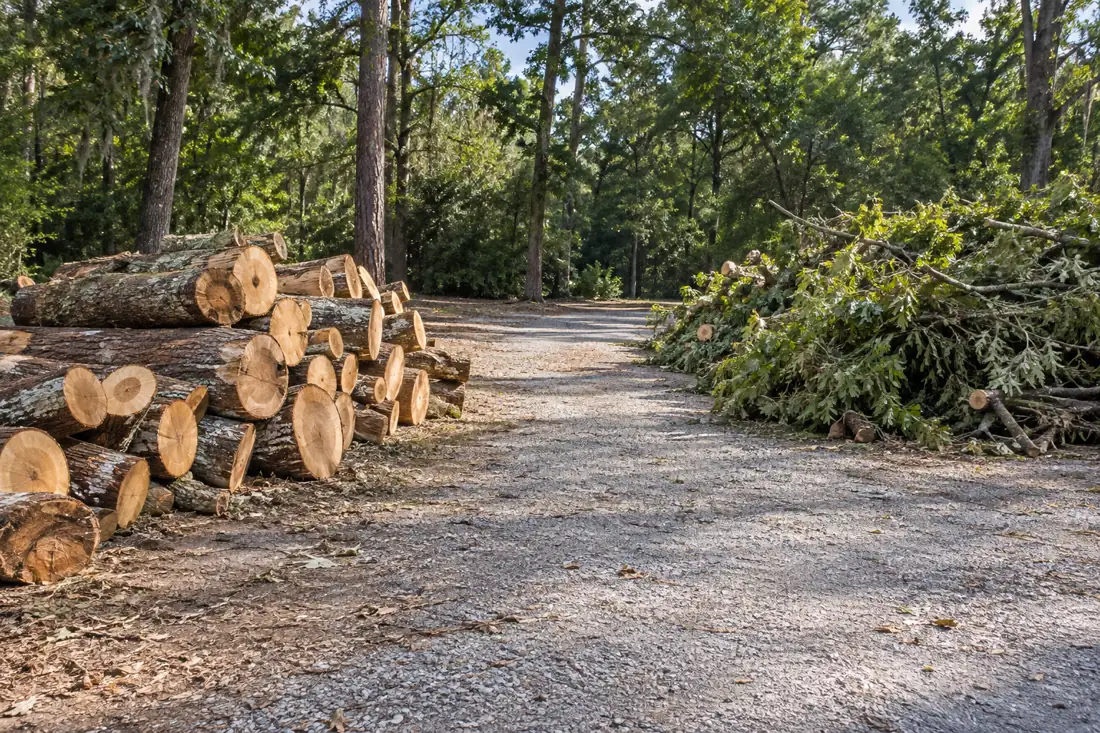
Built to answer real customer questions
The Knowledge Center supports Tree Huggers’ service pages with useful information instead of thin promotional articles. Topics are organized into clear silos so readers can move from a question to a related service, project or next step. This structure also helps establish topical authority around the problems the company solves every day.
Tree Removal Guides
Costs, warning signs, high-risk conditions, removal methods and what to expect.
Storm & Hurricane Guides
Preparation, post-storm safety, insurance documentation and emergency response.
New Orleans Trees
Live oaks, historic neighborhoods, local conditions and urban-tree challenges.
Tree Health
Pruning, fertilization, injection, cabling, decay, pests and preservation.
Equipment & Safety
Crane methods, remote-controlled cutting, rigging and work-zone planning.
Commercial & Government
Property management, procurement, storm planning and contractor support.
How articles connect to service pages
Every guide is written to solve a specific informational intent, then link naturally to the relevant service or next action. An article about a split live-oak union can link to cabling, pruning and high-risk removal because those are the legitimate options a property owner may need to evaluate. A hurricane checklist can link to emergency tree service, storm mobilization and tree-on-house removal. The result is a useful internal-link network instead of a disconnected blog.
No word-count stuffing
Major service and location pages are generally built with substantial depth — often 1,250 words or more when the topic supports it. Articles vary based on the question. Some topics deserve 800 focused words; others need 2,500 or more. The goal is the strongest answer, not an arbitrary number.
Use the Knowledge Center to Ask Better Questions About Trees
A tree knowledge center is useful when it helps homeowners separate what they can safely observe from decisions requiring professional assessment. Begin with the location and the change that concerns you. A hanging broken branch, leaf discoloration, mushrooms near the base, exposed roots, poor drainage and a branch touching a roof may all prompt questions, but they do not have the same cause or the same urgency.
Take a broad view of the tree and surrounding targets before focusing on a symptom. Note when the change first appeared, whether work occurred nearby and whether weather or soil disturbance followed. Avoid treating one photograph, an online disease chart or a single seasonal change as a complete diagnosis.
Louisiana trees face a mix of wet soil, periods of heat, dense development and construction disturbance. These conditions affect different species and sites in different ways. Water standing after a storm does not prove root rot, and fallen leaves do not always indicate a dying tree.
Conversely, a green canopy alone does not guarantee sound wood. Look for repeatable observations such as newly exposed soil at a root plate, a recently opened crack, multiple dead branches or a pronounced change in lean, while keeping people away from any area beneath a potentially unstable tree.
If a branch has contacted a power line, do not touch it or attempt pruning; contact the utility or appropriate emergency service.

Separate observable symptoms, professional decisions and homeowner actions
Pruning decisions should follow an objective. Clearance over a roof, deadwood removal, improved pedestrian passage and correction of small competing branches are different tasks with different acceptable results. Excessive cutting can create wounds and stress, while leaving a known damaged limb above a frequently used entrance may be inappropriate. The best question for a tree professional is not simply how much canopy can come off, but what branches or conditions the proposed work addresses and what will remain afterward. For stumps and roots, ask about nearby utilities, sidewalks, grading and future planting before choosing a grinding depth. A stump grinder is not a universal solution to every root-related site problem.
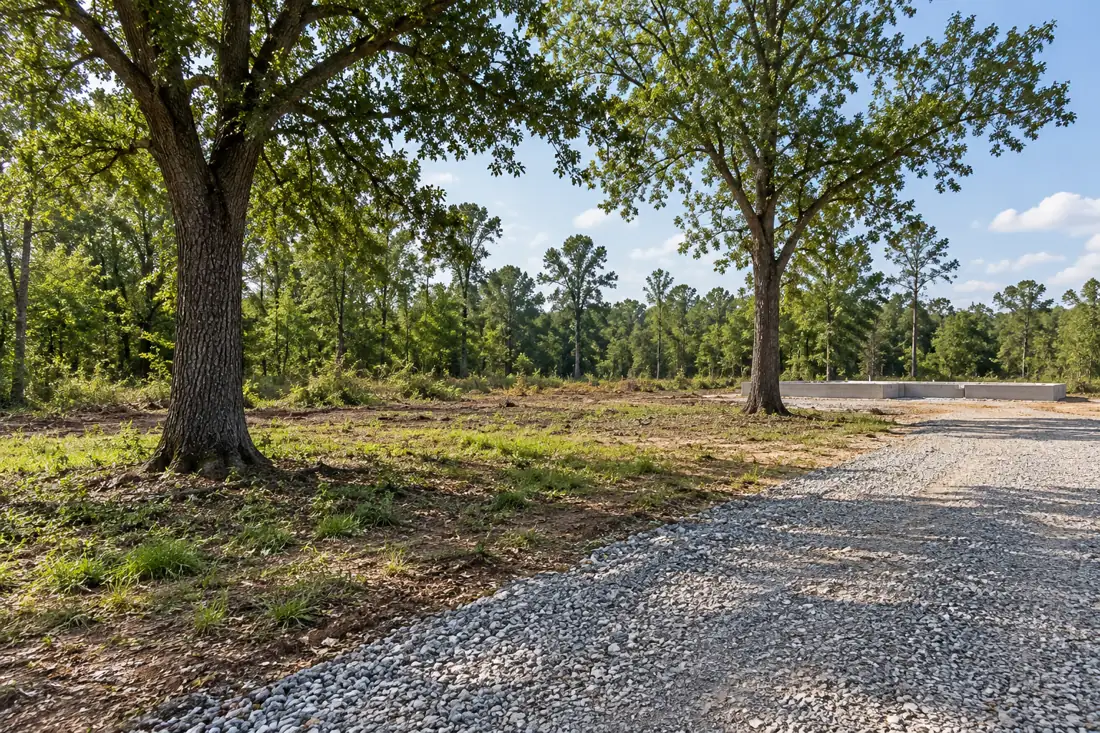
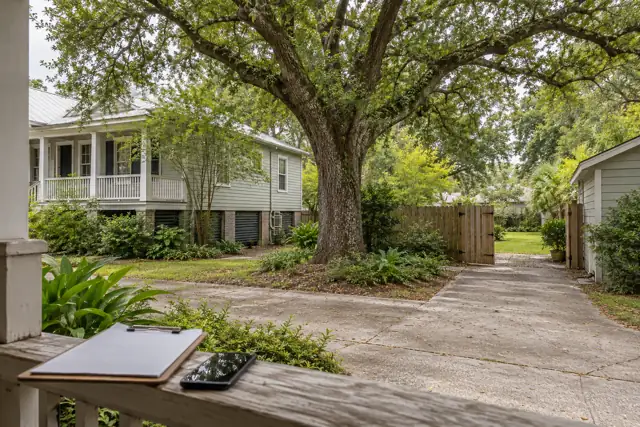
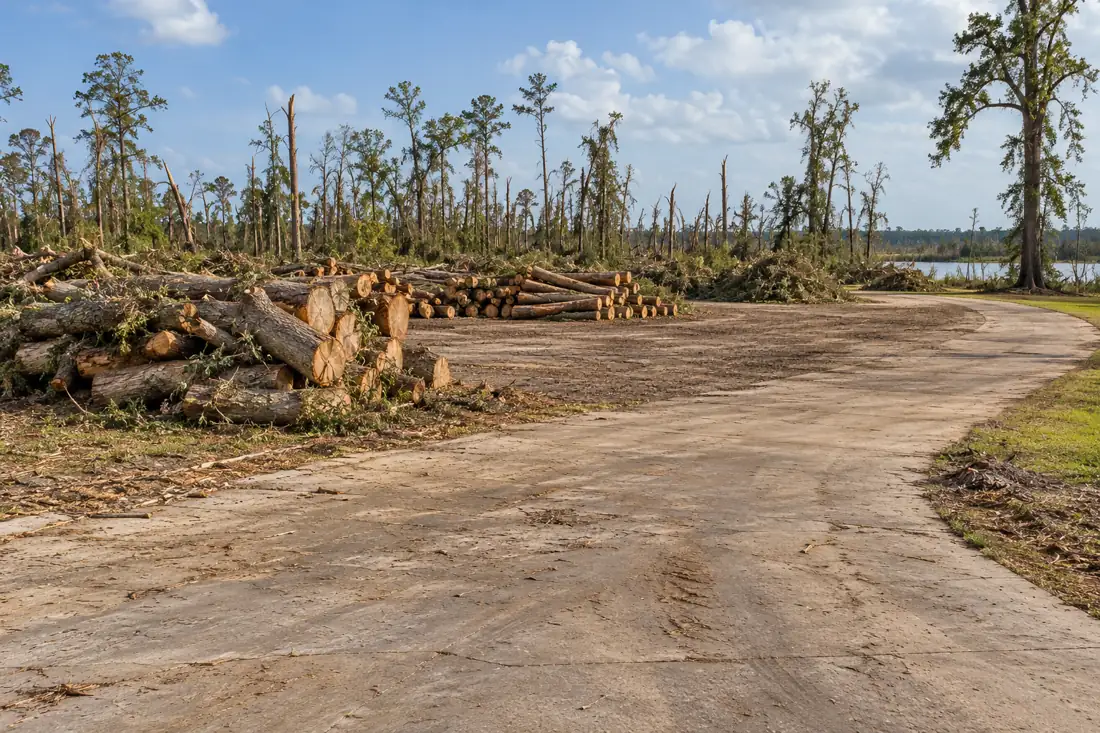
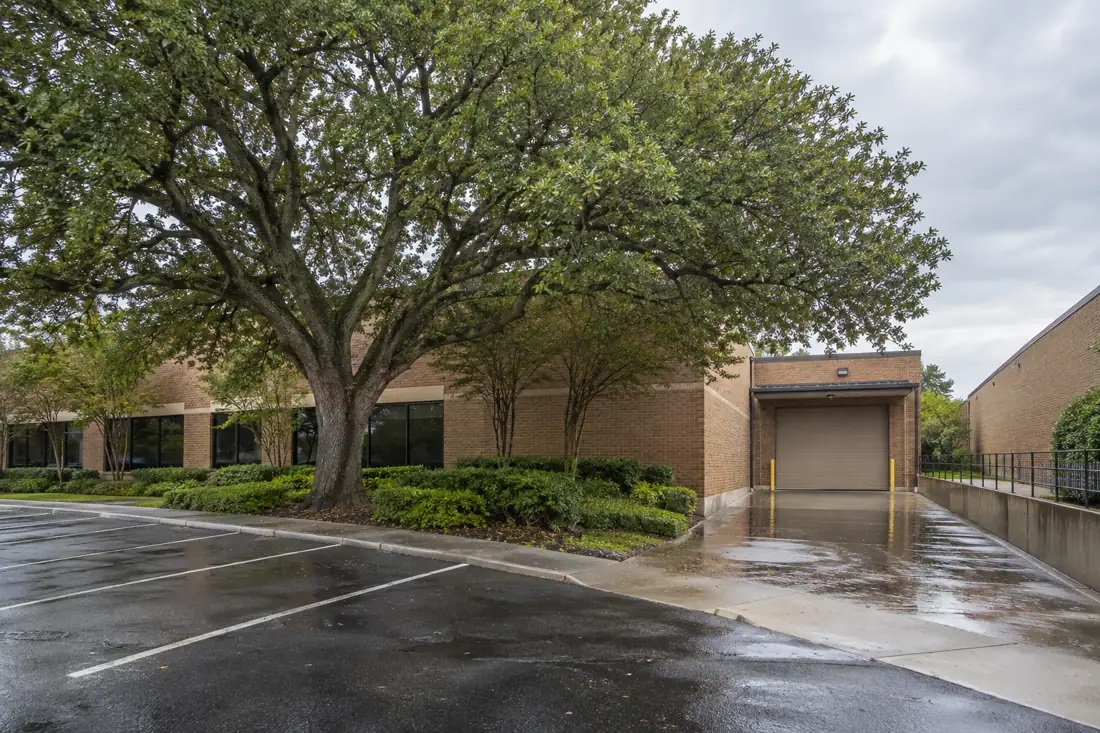
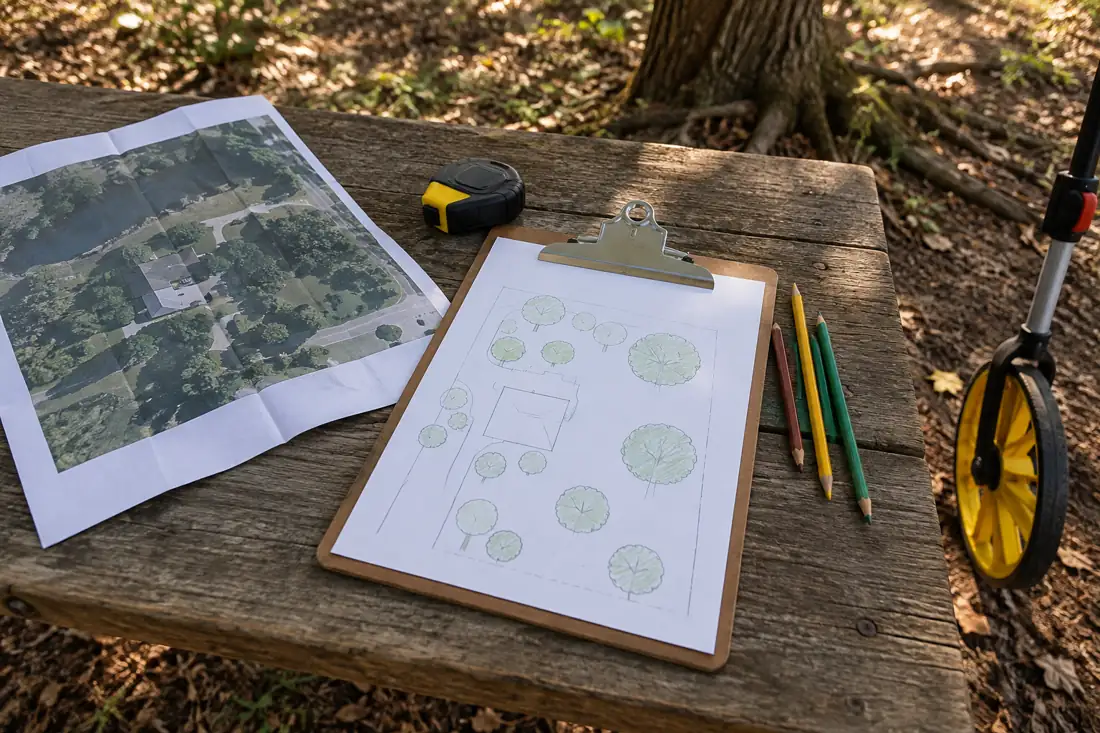
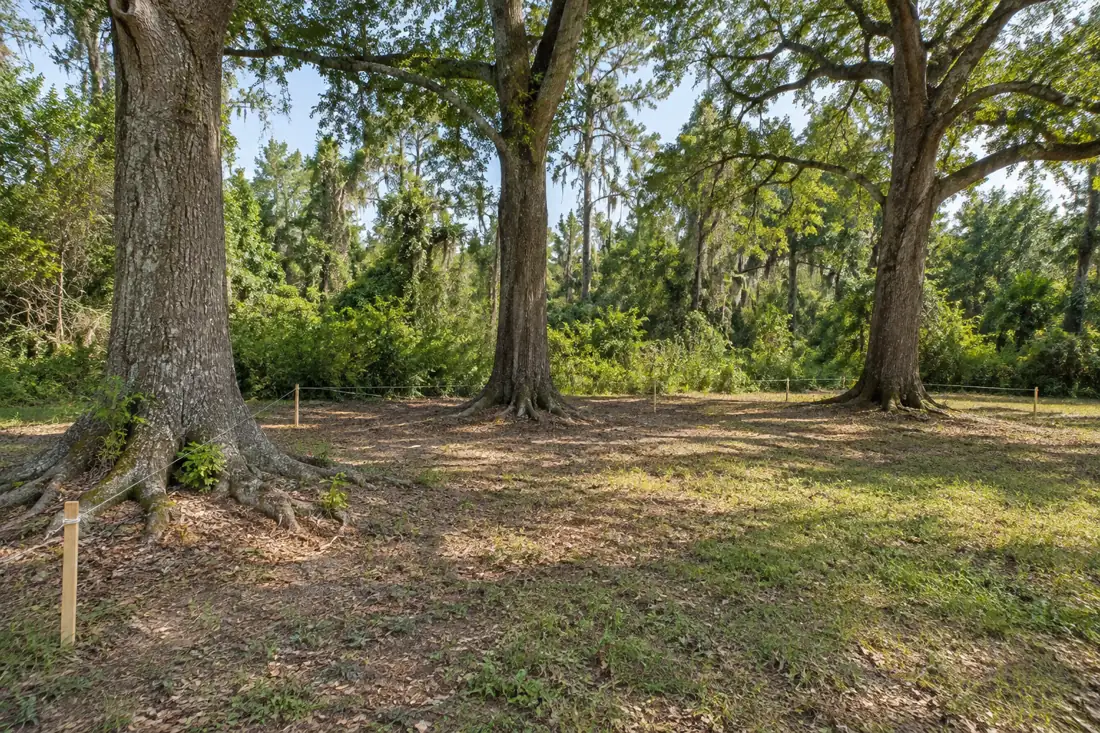
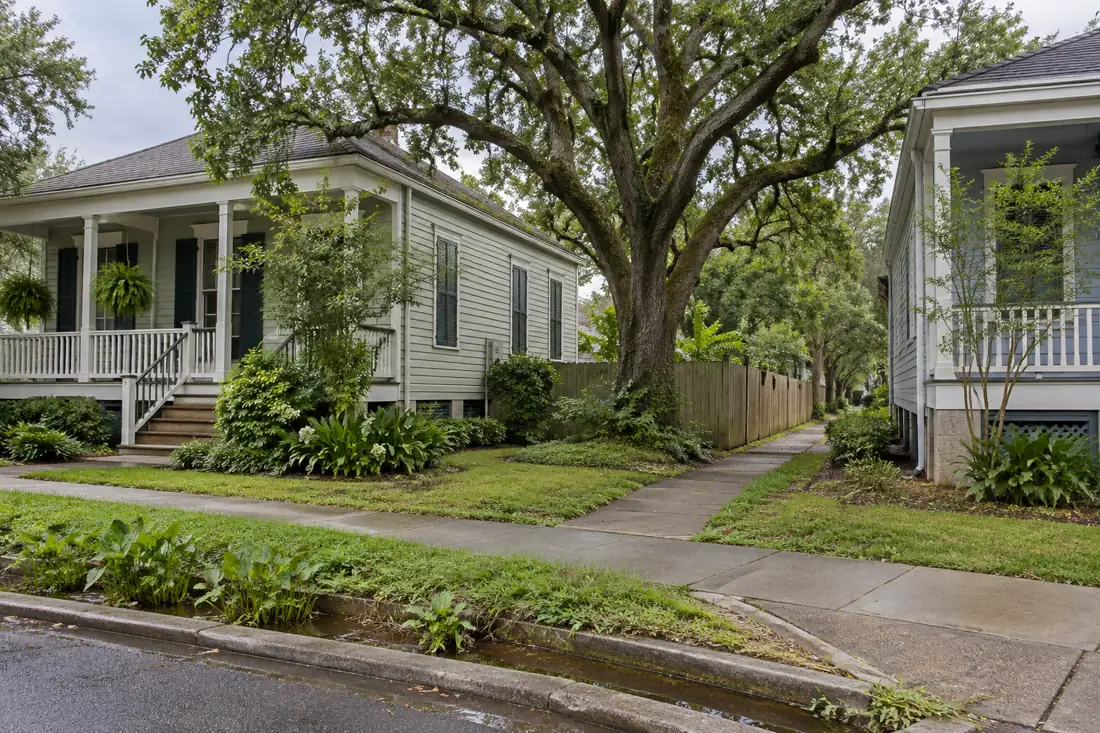
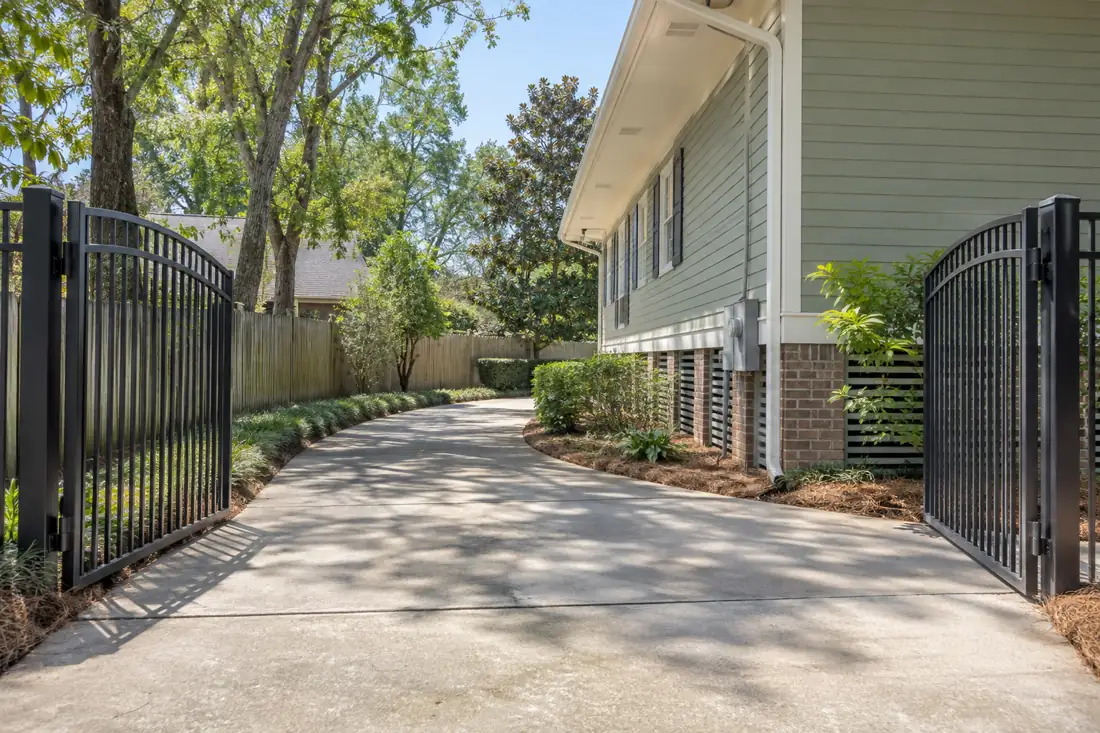
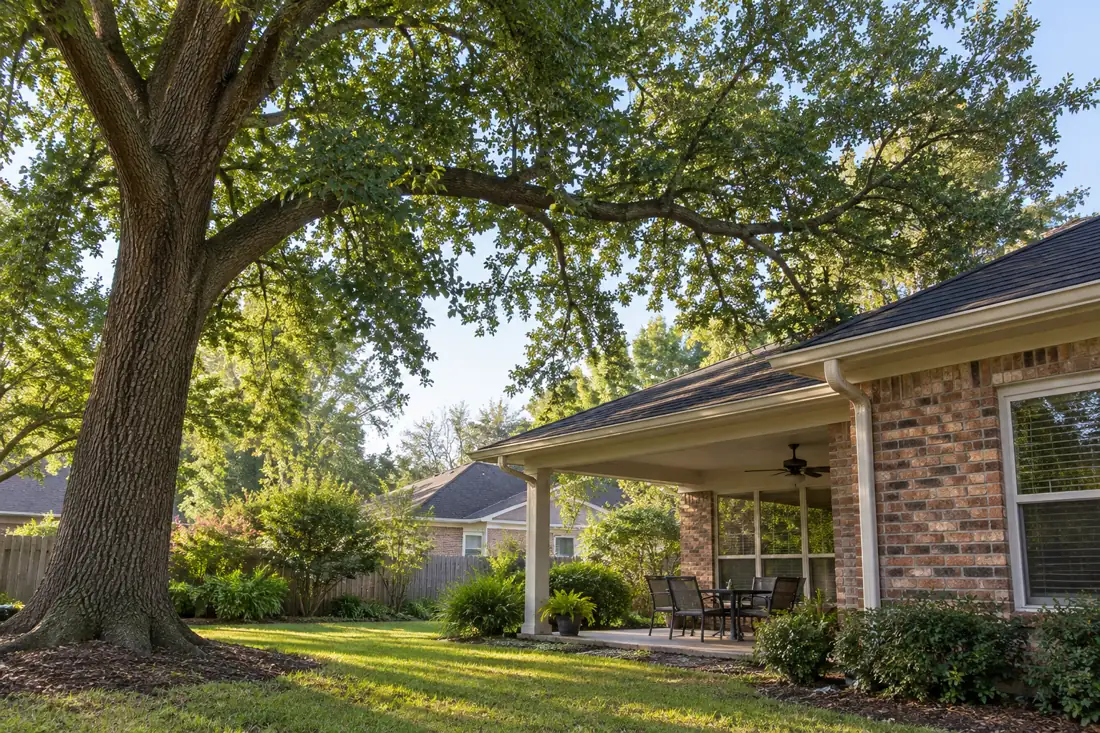
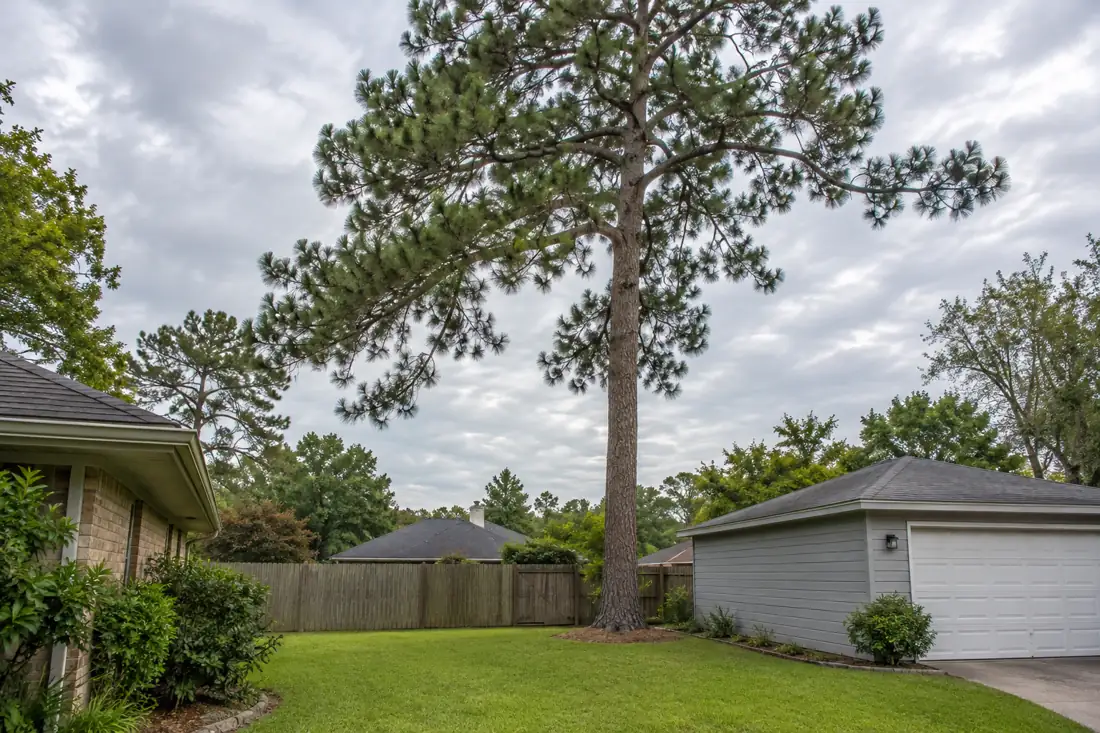
When reading a guide, watch for the difference between general education and a property-specific conclusion. The illustrations on this site can show typical tree settings, but an AI-generated example is not a documented customer job or a diagnostic photograph of your tree. Preserve the useful facts that help a professional respond: tree location, nearby building or path, changes over time, obstacles to access and a safe contact method.
Do not climb, dig around structural roots or cut unfamiliar branches to gather evidence. A concise inquiry can help determine whether a site evaluation, emergency response discussion or routine maintenance estimate makes sense; it cannot replace an onsite assessment or promise a risk-free outcome.
Choose a Guide by the Decision You Face
A knowledge center should make it easier to solve a question, not require someone to understand arboricultural vocabulary first. Begin with the observed condition: a hanging branch, yellowing leaves, a tree near a building, standing water or a damaged trunk. Then choose whether the immediate decision concerns safety, tree health, access, removal, routine maintenance or documentation. Some problems span several categories, but the first guide should answer the urgent question without burying it in unrelated services.
For example, an owner who sees a split union should begin with safe observation and professional risk assessment, not a generic trimming price article. A property manager preparing a seasonal budget may instead need an inspection and prioritization workflow. The guides should lead naturally to a more detailed service explanation when work may be appropriate, while giving visitors usable information even when hiring a contractor is not the right next step.
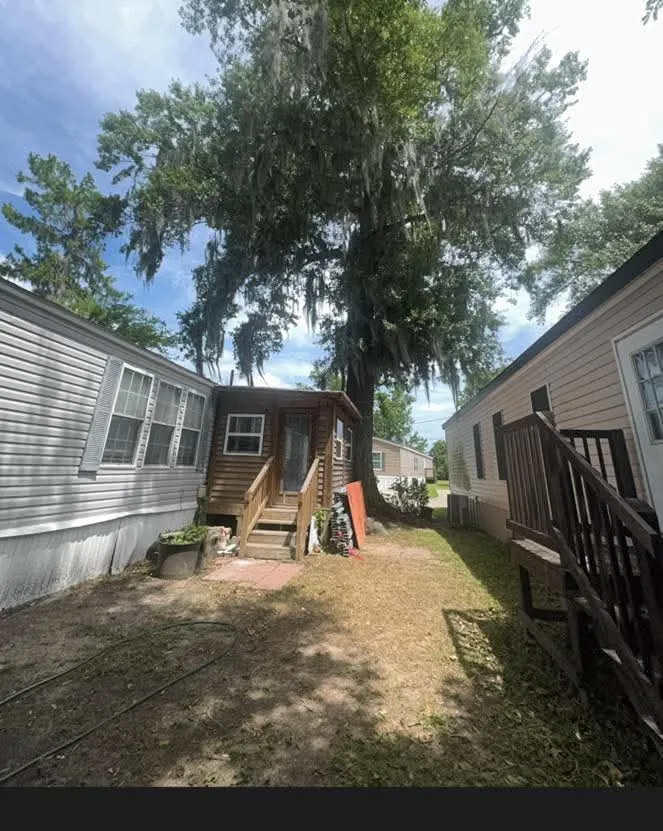
Separate Symptoms From Diagnoses
A symptom is something that can be seen or reported: deadwood, a cavity, mushrooms, lifted paving, unusual lean or premature leaf loss. None of those observations alone proves a particular internal defect or disease. Educational pages should explain possible interpretations and where visual evidence ends. A photo of fungus near a trunk is a reason to investigate context, not proof that every nearby tree needs removal.
Useful reading should identify what history matters: whether the symptom is new, whether excavation or grading occurred, how water moves across the site and whether recent storms changed the canopy. A trained professional may need to inspect roots, branches and structural connections in person. The Knowledge Center should help owners describe conditions accurately rather than substitute an article for a diagnosis or create unnecessary alarm.
Know When a Safety Question Comes First
Information is not equally urgent. An ordinary seasonal pruning question can usually wait for planning; a broken branch suspended over an entrance or a tree touching utility equipment calls for avoiding the area and contacting the appropriate responsible party. The first step is not a better photograph. Readers should recognize situations in which a guide must defer to safety controls, professional assessment, emergency responders or the utility.
A safe guide can still be practical. It can explain where to stand to record the concern, which access to keep clear, which occupants or neighboring users may be affected and what to communicate when requesting help. It should avoid suggesting that homeowners climb, pull, cut or test damaged wood. Showing the limits of do-it-yourself action makes the information more useful, especially after severe weather.
Understand the Difference Between Removal and Care
Tree removal, selective pruning, cabling and health treatments address different problems. A tree may be inconvenient because it shades an area, structurally compromised because of major defects, or unhealthy because of site changes. Those are not equivalent reasons for the same intervention. A good topic guide distinguishes what each service can and cannot accomplish and acknowledges that no treatment guarantees a particular future outcome.
Before choosing a service, consider the tree’s value, location, species, surrounding targets and potential alternatives. Some maintenance concerns can be managed over time; others need a qualified decision about acceptable risk or removal. The Knowledge Center should guide visitors from observable facts to the relevant service discussion instead of automatically treating every search query as a request to cut something down.
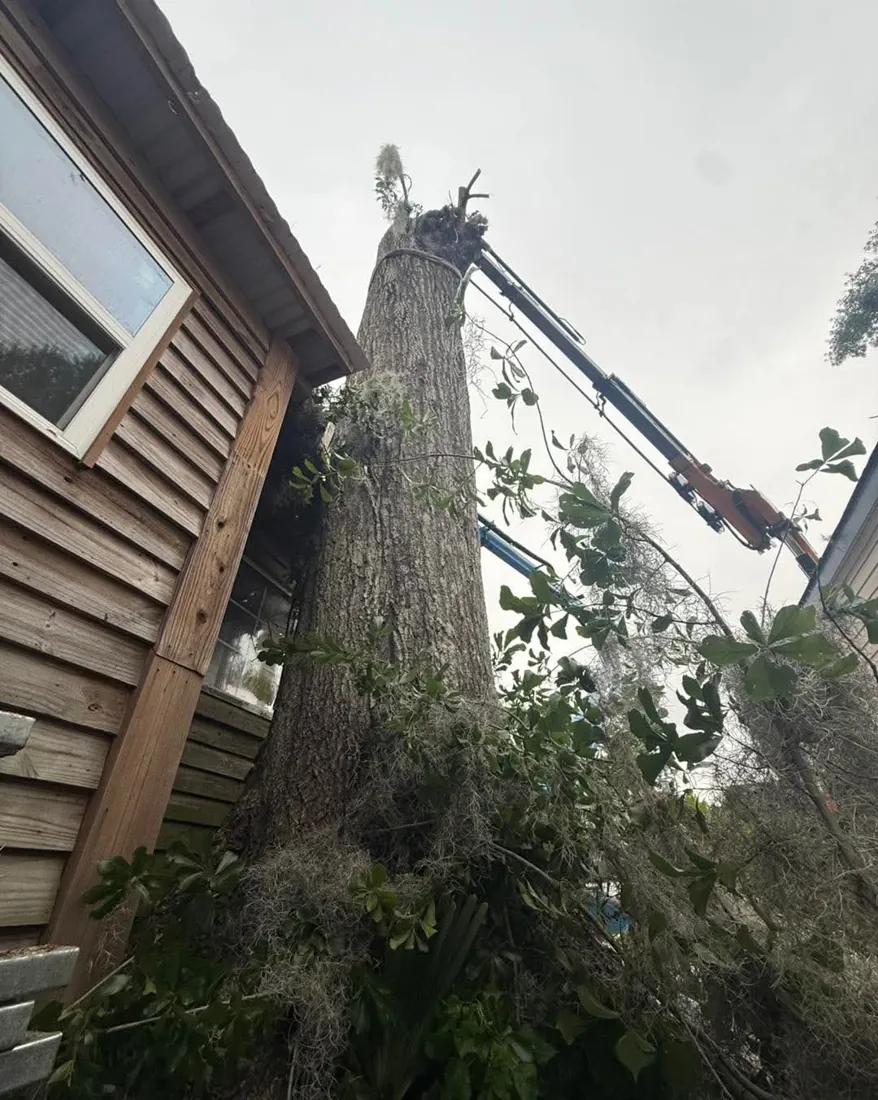
Read Pruning Advice in Context
A pruning guide should discuss the objective before listing cuts. Clearance from a structure is not the same goal as removing deadwood, improving structural form or reducing a recurring branch conflict. Timing can vary by species, tree condition and climate, so a fixed rule for every local tree is misleading. Removing too much canopy may create stress or new problems rather than solve the original concern.
Readers should be able to recognize when the work extends beyond simple accessible maintenance. Large limbs, elevated work, utilities, decay and complex unions require specialized judgment and controlled work zones. The guide’s purpose is to help someone ask for a clear scope, understand possible tradeoffs and avoid common mistakes. It does not license unsafe cutting or guarantee recovery after pruning.
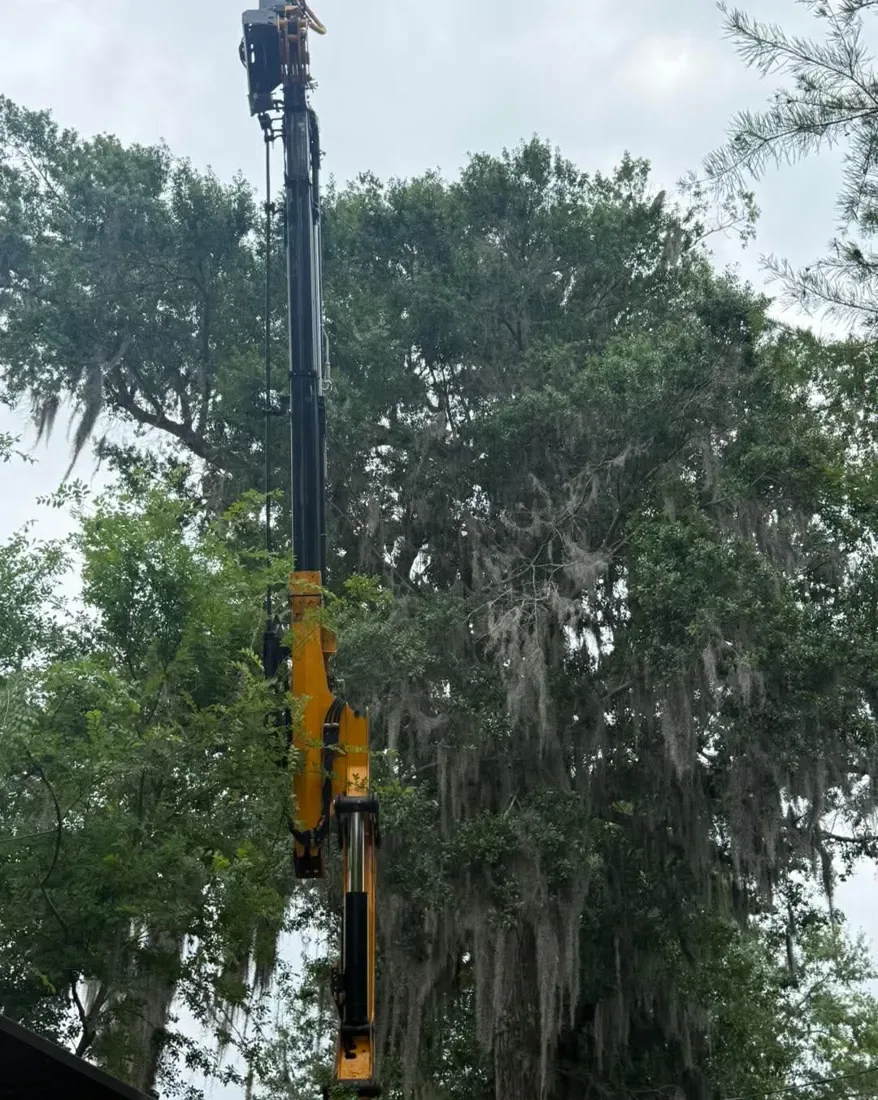
Use Storm Guides Before and After the Event
Before a forecast storm, useful reading covers inventorying vulnerable trees, moving vehicles away from known hazards where practicable and recording existing conditions safely. After the event, the sequence changes: avoid damaged areas, identify utility involvement, protect people and structures, then document visible losses and communicate with the appropriate professionals. Mixing pre-storm maintenance advice with emergency action can confuse readers at the worst moment.
Documentation guides should also distinguish contractor scope from insurance coverage. A claim is evaluated under its particular policy and facts, not guaranteed by a website article. Keep dates, safe photographs, instructions from the insurer and records of authorized work. If urgent mitigation is needed, record why and by whom it was approved when safe to do so. The article should support organized decisions without pretending to determine coverage.
Build a useful tree observation record before choosing an article
The knowledge center is most useful when readers start from the symptom they can actually observe. Record whether the concern is a changed lean, dead-looking twigs, bark shedding, surface roots, a split branch junction or ordinary seasonal leaf drop. Then document when it appeared and whether weather, grading or construction recently changed. Avoid assigning a diagnosis to a single sign without considering species, season and the whole tree.
Take photographs at safe distances from two directions and note the relationship to people, buildings and roads. If there is a hanging limb or suspected unstable tree, keep out of the area rather than attempting to reach a closer angle. Guides about pruning, disease, root management and removal may overlap; choose the one that answers your immediate question and use an on-site professional inspection when structural safety is uncertain.
When you contact a tree-service provider, supply the tree location, recent changes, relevant site access restrictions and the decision you need to make. A concise timeline is often more valuable than a long list of possible pests or diseases. Educational photos can show typical form and setting, but they cannot confirm the health of a tree elsewhere or substitute for a site-specific examination.

Make Equipment Explanations About Constraints
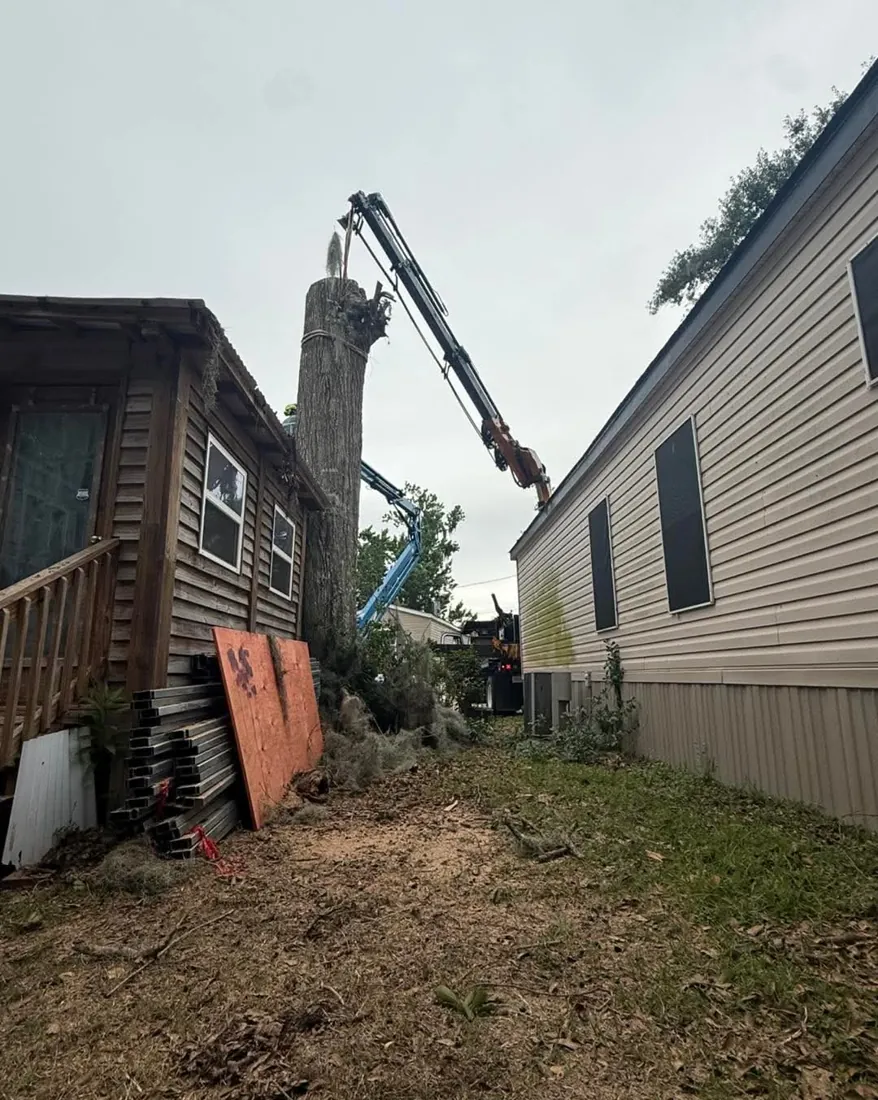
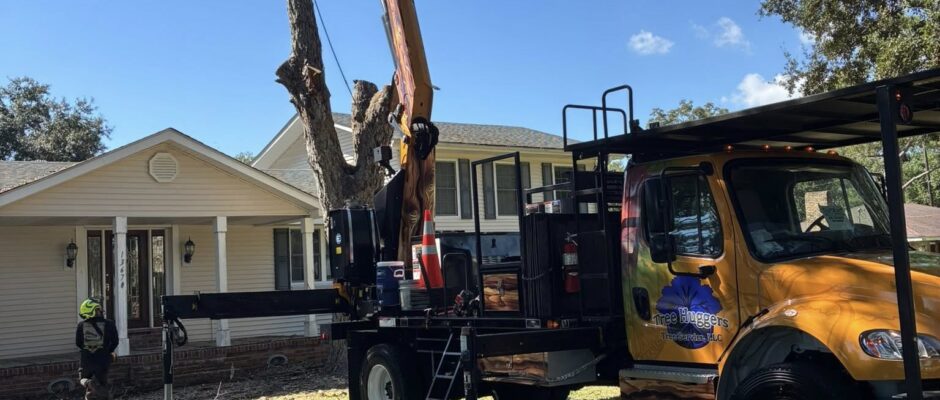
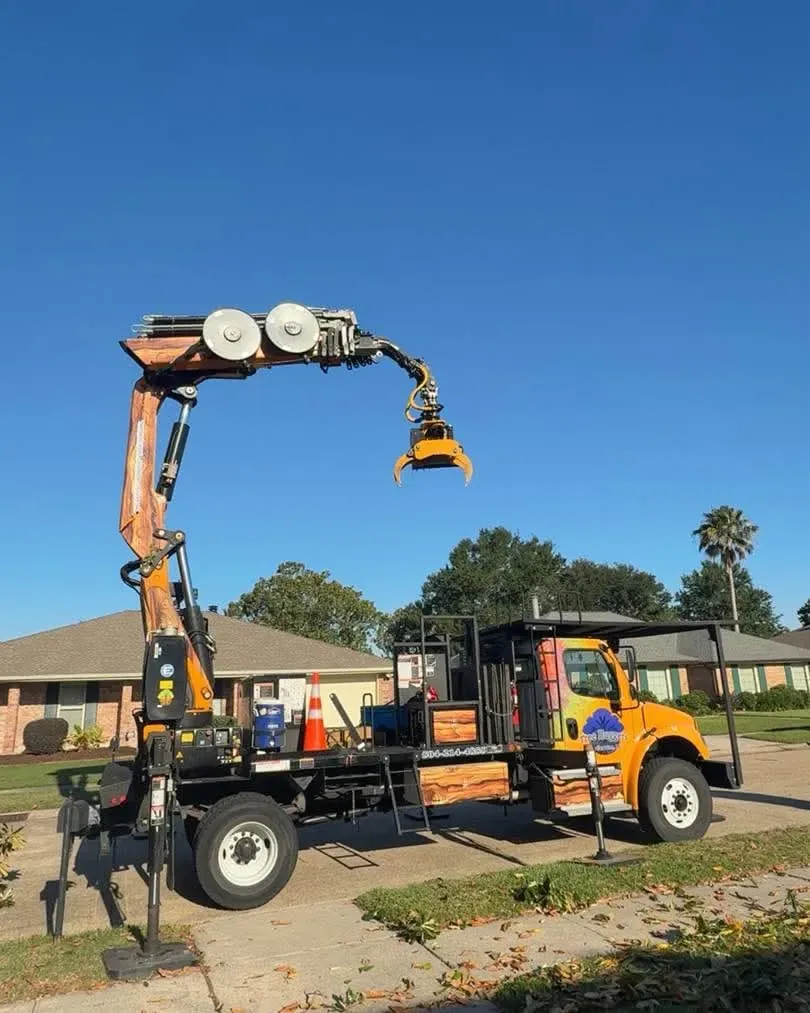
A crane, lift, grapple saw or compact machine is a tool, not the definition of a project. Equipment guides should explain what the work area requires: reach, safe staging, overhead clearance, ground bearing, control of the load and the route for removing cut material. They should clarify why a crew might reject a seemingly obvious setup when a driveway, utility, building or neighboring parcel creates complications.
Photographs can illustrate machinery and likely planning issues, but cannot demonstrate that a named property can accommodate it. Readers should record safe access observations and ask how a proposed method protects surfaces and bystanders. The Knowledge Center should not offer do-it-yourself rigging calculations or imply that a particular machine makes hazardous tree work risk-free. Good explanations improve questions asked during an assessment.
Local Conditions Change the Answer
Greater New Orleans properties experience intense rain, occasional hurricane impacts, high groundwater in some areas, heavily developed lots and valuable mature trees. These factors can interact with roots, drainage, access and structural concerns. A guide about one city’s tree canopy may have limited application to a different site even within the metro area. Local pages should explain actual physical conditions, not merely swap the city name into repeated copy.
A Jefferson Parish yard near a drainage feature differs from a compact urban lot or a large open commercial parcel. A practical location guide asks about visible water patterns, previous excavation, utility routes, setbacks and permissions. It should avoid claiming knowledge of any particular tree’s condition from its ZIP code. Readers can use the regional context to prepare for a professional visit rather than self-diagnose from geography.
Evaluate Pricing Guides Without False Precision
Price discussions are most useful when they identify the variables that change a quote. Tree size matters, but so do structural condition, equipment access, utility coordination, overhead targets, material handling, stump treatment and cleanup. A single photograph or generic cost-per-foot figure cannot reflect these differences reliably. Guides should distinguish a planning range, when legitimately sourced, from a written site-specific proposal.
Visitors can request estimates that identify each tree, task, exclusions and finishing responsibility. Comparing the same scope across proposals is more informative than comparing totals without knowing what is included. A guide should also explain why changes may need approval if hidden conditions appear. No published text can guarantee an individual price, emergency response time or insurance reimbursement, and the site’s copy should say so plainly.
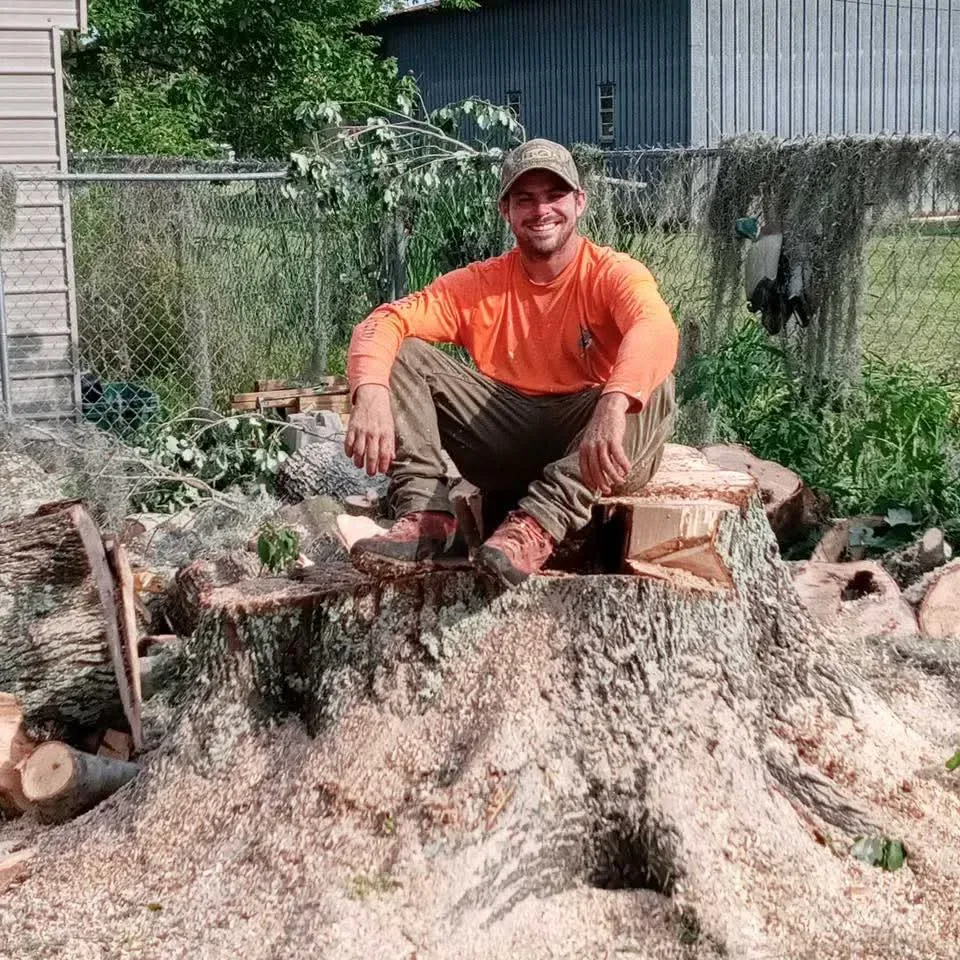
Follow a Topic Into a Useful Next Action
After reading, the next step might be observation, more research, a qualified assessment or an estimate request. A practical guide ends with a short checklist tied to that decision: what was seen, when it changed, which people or property could be affected and what outcome is desired. Safe wide photographs, access information and any relevant work history can help a professional interpret an inquiry.
The Knowledge Center should connect related guides intentionally rather than create a maze of nearly identical articles. Readers looking for storm damage should be able to reach cleanup, safety and documentation topics; a tree-health reader should find pruning and preservation context. Links ought to reflect different search intents, not manufacture hundreds of location variants. The company can review inquiries, but an online request does not schedule work by itself.
Discuss the next step for your property
Use these guides to identify useful observations and questions before contacting a tree professional. A newly leaning tree, loose limb, roots near pavement and ordinary pruning request require different safety and scope discussions. Keep photographs to safe public or owner-authorized positions; the articles do not diagnose a particular tree.
Frequently Asked Questions
Where should I begin if I do not know what is wrong?
Start with the visible symptom and its urgency. Choose a safety guide first if people, buildings or utilities could be in immediate danger.
Does a guide diagnose disease from a photograph?
No. Images help describe observations; diagnosis and risk assessment may require an in-person qualified evaluation.
How do I choose between pruning and removing a tree?
Compare the desired outcome with the tree’s condition and surroundings. A professional assessment can explain feasible alternatives and limitations.
Are all pruning recommendations the same for every species?
No. Timing and technique depend on species, condition, local climate and the purpose of the work.
What should I read after a storm?
Begin with safety and utility concerns, then documentation and the relevant damage or cleanup guide. Avoid unstable areas.
Can an article determine my insurance coverage?
No. Coverage depends on your policy and circumstances; keep supporting records and speak with the insurer.
Do equipment guides mean a crane is always necessary?
No. Equipment choices depend on reach, access, ground support, nearby structures and tree condition.
Why do local conditions matter in tree care?
Soil, drainage, development, storms and property constraints can change the risk and practical work plan.
Can a generic online price replace an estimate?
No. A meaningful quote identifies the actual trees, site constraints, work scope, hauling and exclusions.
How can I tell when an article is only general education?
It should describe observable factors, explain uncertainty and identify where a site-specific assessment is needed.
How are related guides selected?
They should connect different decisions—such as tree risk, removal, storm response or preservation—rather than repeat identical text.
What information helps when contacting Tree Huggers?
Share the address, visible concern, when it changed, desired result and safe contextual photographs. Scheduling and scope require confirmation.
Get a scope for your property
The Tree Knowledge Center is a starting point for questions, not a remote diagnosis. Use the guides to understand the differences between a dead branch, a changed tree lean, a root or pavement conflict, a storm debris problem and a planned removal. Those issues call for different observations and sometimes different professionals.
Take safe, wide photographs when conditions allow, but do not climb, tug on broken limbs, dig into major roots or stand near an unstable trunk to obtain better images. Visible symptoms should be interpreted with surrounding conditions and the actual occupancy of the site.
Before requesting an estimate, identify which question you need answered: whether a tree can be retained, what work would reduce exposure, what access is feasible or which debris and stump items are included. Keep a simple record of changes, previous work and known utilities. When an article discusses a potential defect, it does not establish that defect at your address. Use the relevant guide to prepare a focused inquiry, then ask for the qualified assessment and written work boundaries the situation warrants.