Preserve when preservation makes sense
Mature trees can provide shade, character and property value that may take decades to replace. When the trunk, roots and canopy remain viable, targeted work may reduce specific risks or improve vigor without removing the tree. The right treatment depends on the actual problem, not on applying every service to every tree.
Build a tree-health plan around the cause, not the symptom alone
Leaf color, sparse growth, trunk wounds and mushrooms can each have more than one explanation. Start by recording when the change appeared, which part of the canopy is affected and whether construction, flooding, drought, soil disturbance or irrigation changes preceded it. Photos from repeated positions provide context, but they are not a substitute for appropriate diagnosis. Avoid applying fertilizer or chemicals solely because leaves look stressed; inappropriate treatment can waste resources or worsen conditions when root damage or drainage is the real issue.
A practical preservation recommendation should identify the suspected stressors, what can safely be changed, and which symptoms need observation after the change. Protect soil around established roots from vehicle traffic and avoid piling mulch against bark. For significant structural defects, disease concerns or rapid decline, seek a qualified assessment and discuss whether specialized testing is warranted. Keep the follow-up record separate from sales claims; tree response may take time and no treatment guarantees recovery.
Site planning detail: For a tree health consultation, start with a simple inventory rather than treating every discolored leaf as an emergency. Note each tree’s approximate location, changes in canopy density, dead branches, visible cavities, surface roots and recent disturbances such as paving, grade changes or repeated standing water. Photograph the same view in different seasons so natural leaf cycles can be distinguished from a new decline. Avoid pulling bark, exposing roots or testing suspect limbs yourself.
A photograph helps orient the discussion but cannot establish whether an internal defect is structurally significant. An on-site evaluation can consider species, age, exposure and likely targets together. Ask for a written distinction between maintenance, further assessment, monitoring and removal, including which observations support the recommendation and when conditions should be reviewed again. Protect the soil under retained trees from parking, stockpiles and concentrated foot traffic while the decision is pending.
Structural defect, canopy decline, storm damage, nutrient stress, pest pressure or site change.
Pruning, support, injection, fertilization, protection or monitoring based on need.
Preservation is a process. Condition and risk should be reviewed as the tree and site change.
Structural support and risk reduction
Cabling and bracing can sometimes reduce movement or support weak unions when the tree remains a suitable candidate. Pruning may reduce end weight or remove deadwood. These measures do not make a tree risk-free, but they can be part of a practical preservation strategy.
Health treatments and site conditions
Tree injection and fertilization should be tied to a diagnosed need. Soil changes, construction, root-zone compaction, drainage, species and existing stress all influence tree condition. We avoid treating symptoms blindly when the site itself may be the underlying issue.

Start a tree-health record with observations you can repeat
A useful baseline includes the whole canopy, trunk flare, nearby grade, obvious wounds and adjacent construction. Take photographs from the same ground-level locations where practical and note when changes actually occurred. Compare seasons fairly; normal leaf turnover or seasonal dormancy should not be mistaken for immediate failure.
Keep the reason for an inspection specific: sudden dieback, a new crack, soil movement or a clearance conflict demands a different discussion from routine long-term care.
Compare observations over time before choosing a tree treatment. Leaf color, bark marks or a thin canopy can have several possible causes and may vary with season, species, weather and previous site work. Record safe repeat photographs from consistent angles, along with approximate dates, watering changes, soil disturbance and visible trunk or root-zone conditions. Bring those observations to a qualified tree-care assessment instead of treating one photograph as a diagnosis or ordering injections, fertilization or support hardware by default. A preservation plan should identify what is being monitored, which site pressures can be reduced, when another assessment is warranted and what circumstances would change the recommendation. Protect the root zone while decisions are pending.
Separate evidence of decline from a treatment decision
Discolored leaves, small canopy growth and dead branches can point to very different causes. Before selecting an injection, fertilizer or structural support, record whether the symptoms affect one branch, an entire crown or multiple trees, and when they first appeared. Note recent grading, trenching, drainage changes or compacted parking areas near the roots.
These observations help distinguish a site problem from a pest or nutrient issue, though a qualified inspection may still be necessary. A preservation estimate should explain the working diagnosis, what treatment would change, which defects it would not correct and when conditions should be reassessed.
Tree-health services
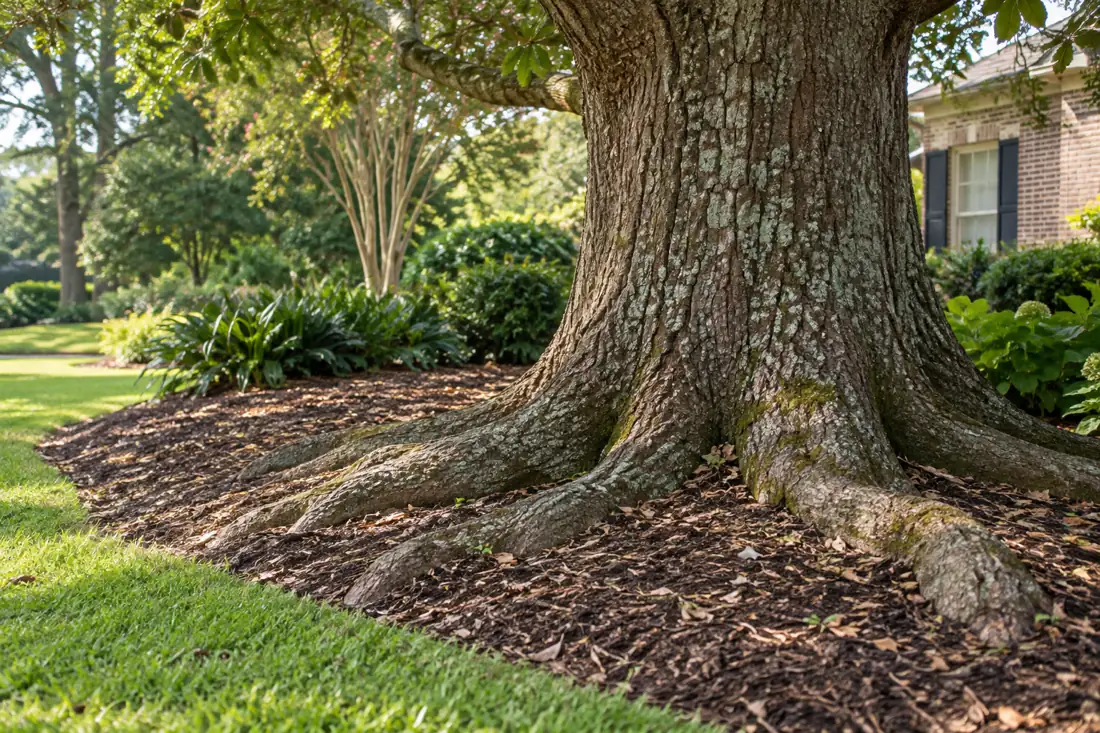
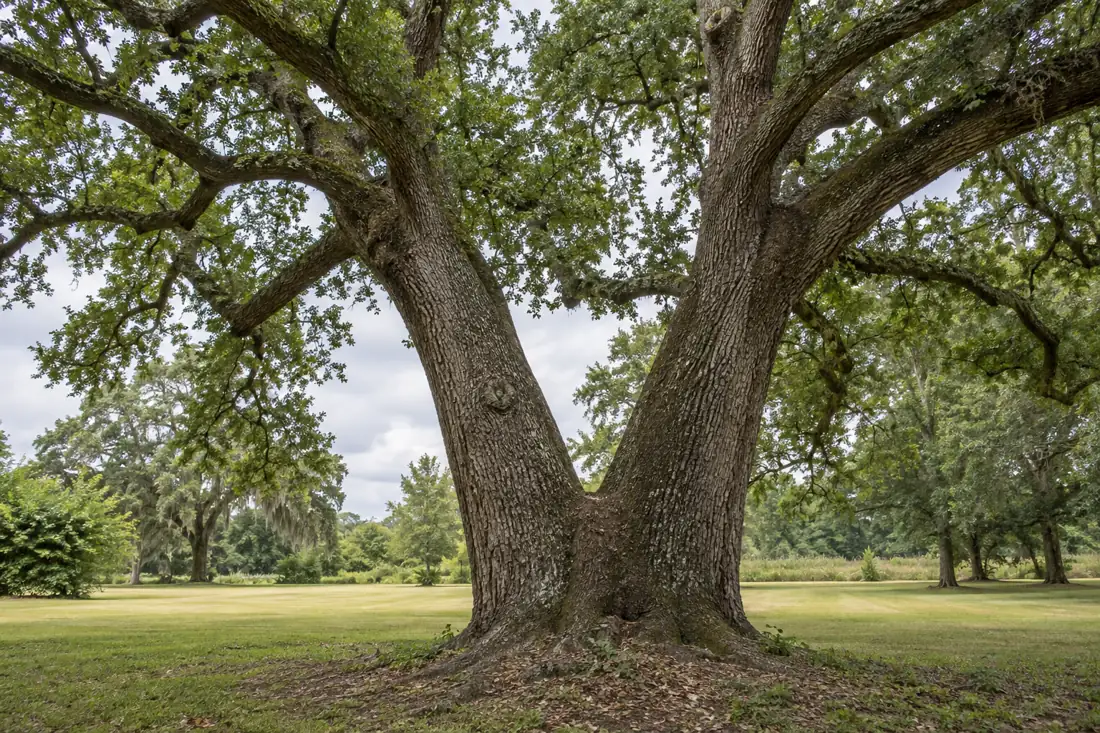
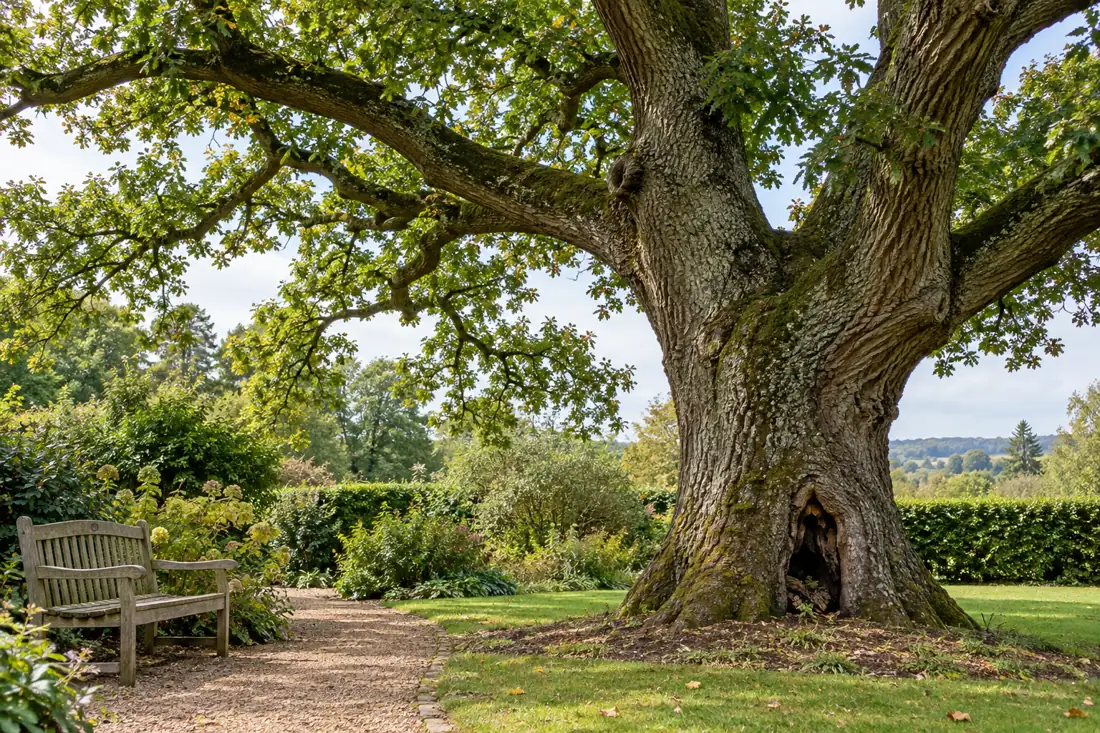
Use this page to discuss tree health & preservation with Tree Huggers. Start with the current condition, the property and the outcome you need. The sections below explain the information a contractor needs, the responsibilities to clarify and the way to compare the proposed work with the finished result. The right scope depends on the tree and site; a general service description does not confirm a method, price or arrival time.
Tree health can change after drought, standing water, soil disturbance, root loss, insect activity or ordinary seasonal shifts. Begin with a dated description of what changed: thinning on one side, discolored foliage, declining branch tips, fungi near the base or new movement of the trunk.
Photograph the whole tree and the ground around it from safe positions, then note construction, grading, irrigation, herbicide use, drainage changes and storm damage. Do not decide on fertilizer, pruning, injection or removal from a close-up of a leaf alone. A condition affecting a canopy is not automatically the same as a structural hazard above a frequently used entrance.
Make a preservation decision from the whole tree
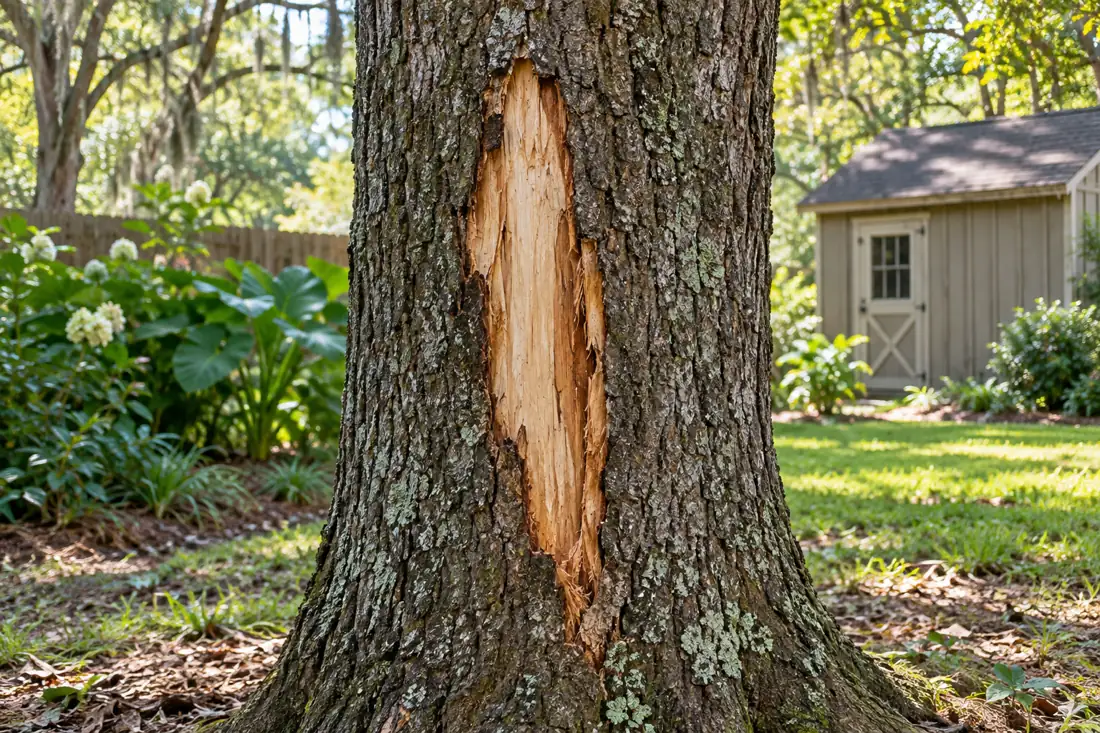
Start with the relationship between the canopy, root collar and surrounding ground rather than selecting treatment from a single branch photograph. Record recent excavation, changes in soil coverage, new leaf loss, repeated vehicle traffic or drainage changes around the tree. Note which conditions are old and which appeared recently; a cavity photograph alone cannot establish internal strength.
A preservation scope should distinguish root-zone protection, selective pruning, follow-up observation and conditions requiring a qualified on-site assessment. Do not promise to save a tree with fresh movement, an unstable hanging limb or nearby conductors from images alone. Restrict access where an immediate hazard could affect people or property.

Choose between tree care, condition evaluation and urgent protection
A green canopy does not prove that every limb, union and root is sound. Equally, a small patch of deadwood does not by itself mean that removal is necessary. A thoughtful preservation request should identify the species if known, where the tree stands, what has changed and whether the concern involves health, clearance or a visible structural defect. Recent grading, paving, drainage changes or construction can be useful context. Photograph only from a safe location, and never dig into a root area simply to see what is underneath.
Separate routine pruning or plant-health care from a defined tree-risk question. Ask whether a service estimate, a closer qualified assessment or monitoring is appropriate and what each deliverable will actually include. A price to prune is not a guarantee that the tree will remain stable during future storms.
If people are exposed to a new lean, root movement or a suspended large limb, avoid the area while appropriate help is arranged. Explain both the outcome you hope for and the limits of what a site visit can establish.
Request an assessment that distinguishes observed evidence, plausible causes, tests that might change the conclusion and uncertainties that require follow-up. Ask what can be improved with site management, whether pruning is justified, and which warning signs warrant prompt evaluation. If the tree leans suddenly, has a lifted root plate or holds hanging broken limbs over an occupied area, keep people clear while arranging qualified help.
For gradual, nonurgent symptoms, set a practical photo and monitoring record before approving a costly treatment. The estimate should state the intended outcome, limits of the assessment, cleanup and any optional later work; no treatment should be promised as a guaranteed cure.
Information to collect before the estimate
Describe the current condition and the outcome you want. Note when the issue was first observed, whether the site or tree recently changed, and which people or property are affected. Identify who controls access and who can approve the work. If the concern involves public property, utilities, another owner or a construction project, explain those interfaces before a method or schedule is confirmed.
Be clear about the question the assessment must answer
A work estimate and a tree assessment serve different purposes. The owner may need a price for an unwanted tree, an opinion about a visible defect, a documented review for a property manager, or several of those things. State the question when arranging the visit. Ask about the assessor’s relevant qualifications, the scope of the evaluation and the form of any written findings.

Provide the history you know, including storms, pruning, construction, flooding and changes in the tree or its surroundings. Identify the people, buildings and routes within the affected area. No assessment can promise that a living tree will never fail, and some conditions may need additional investigation or monitoring. Ask the professional to distinguish findings from assumptions and recommendations. That makes the next decision more useful than a broad declaration that the tree looks good or should be removed without an explanation of the basis.
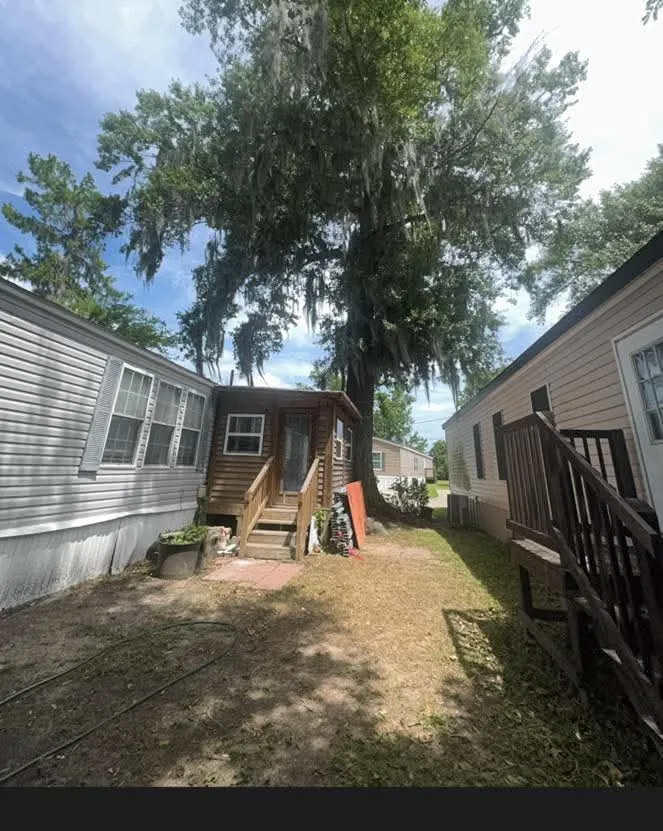
Original Tree Huggers field photo. Large tree standing between neighboring buildings before removal.
Look beyond the visible canopy
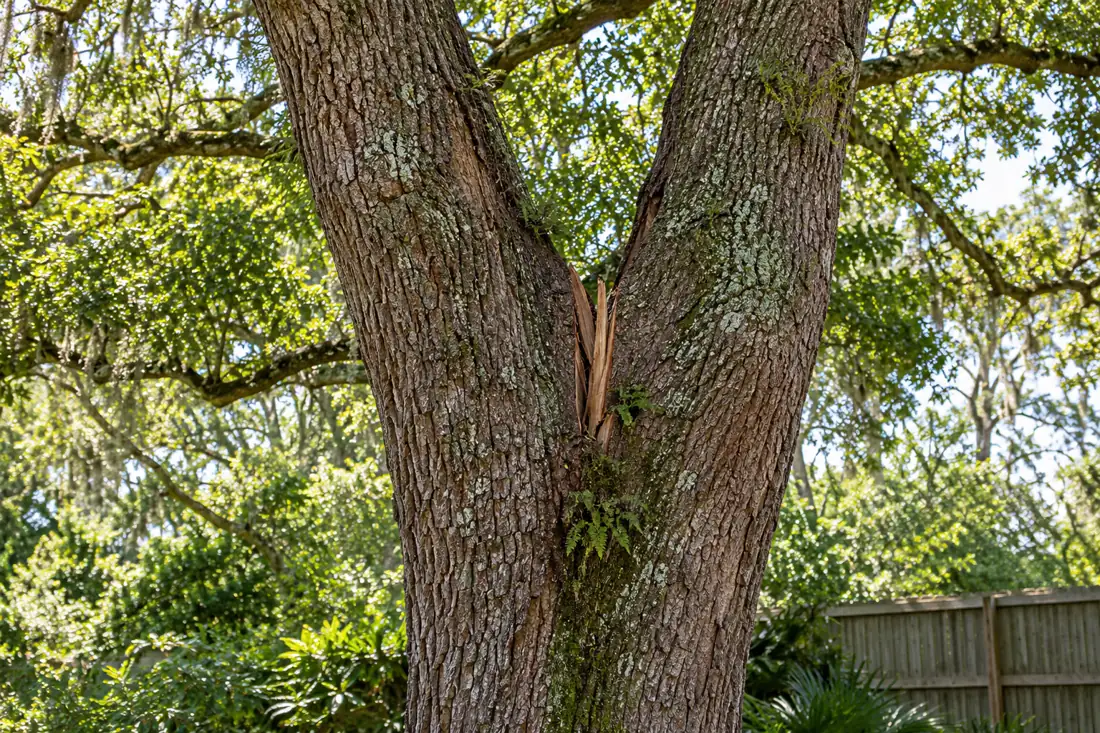
Tree structure includes the trunk, root system, major unions and the way branches connect. A green canopy alone does not establish that those parts are sound. Tell the assessor about visible splits, cavities, changed lean, previous failures and recent construction or storms. A photograph may help identify the concern but cannot reveal every defect or establish structural safety.
The assessment should relate the observed condition to the tree and the targets around it. Ask what is known, what remains uncertain and whether further evaluation is recommended. Pruning, support, monitoring and removal have different purposes and limitations; none should be selected simply because it sounds less disruptive. If the condition appears unstable, keep the affected area clear while arranging the appropriate response. The customer can help by describing changes and site use without entering the hazard area or attempting to test the wood.
Give retained trees a deliberate protection plan
Preserving a tree involves more than leaving its trunk standing. Access traffic, excavation, material storage, grade changes and damage to roots or bark can affect retained trees. Identify them before clearing or construction is priced. Share the proposed work footprint and ask what protection or coordination is appropriate while changes to the project are still possible.
A preservation discussion should be linked to the actual tree, site and intended use. Pruning or treatment afterward may not correct damage caused during the work. Agree on the areas that must remain clear of traffic and storage, how those limits are communicated, and who can authorize a change. If a tree has existing condition concerns, ask whether further assessment is needed before investing in a protection plan. Keep the tree-care scope distinct from building design, excavation and other specialist responsibilities.
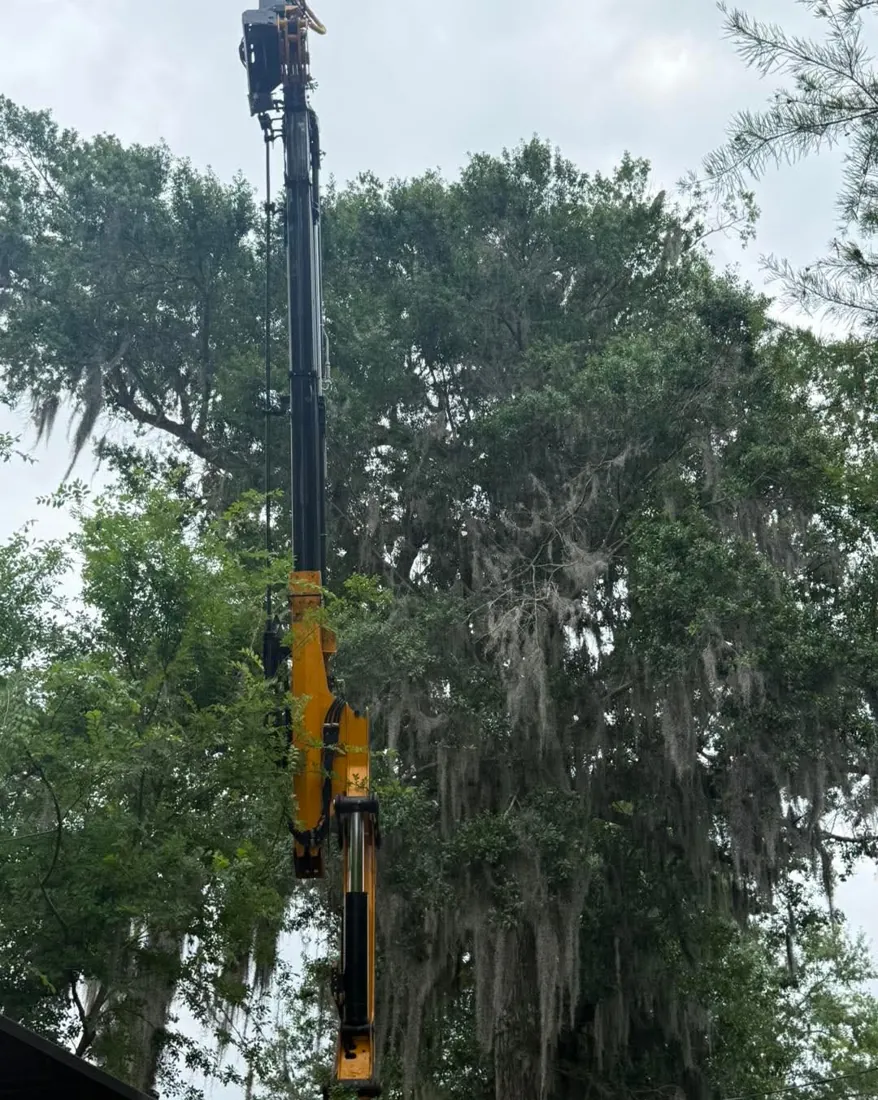
Original Tree Huggers field photo. Extended Tree Huggers equipment positioned beside a tall tree.
Keep authorization, changes and completion traceable
The project record should connect the request to the work actually authorized. Keep the agreed scope, marked tree information, access arrangements and the name of the approval contact together. If the contractor finds a different condition or the customer requests another task, document the proposed change through the agreed process. This is useful for homeowners as well as managed properties and public buyers.
Completion records should describe what was done, not make unsupported claims about safety, coverage or future performance. Photos can show visible conditions and work results when they are labeled with the location and task. Current licenses, insurance documents and project-specific requirements should be requested directly where needed. Store the final invoice and any unresolved-item notes with the scope. A clear record helps an absent owner, property manager or reviewing buyer understand the job without relying on a conversation they did not attend.
Ask for a scope you can compare
A useful tree-work quote identifies the property, the trees or areas included and the objective of the work. It should also make important assumptions visible: access, site preparation, hauling, stump treatment and any exclusions. When comparing prices, ask whether the contractors are describing the same work and finish. A lower total may reflect a different scope rather than a more efficient solution to the same job.
Share the information that affects the estimate before requesting a firm commitment. Include photos, the work objective, access restrictions, relevant history and a preferred time window. Identify who can authorize the work and changes. If an item is unclear, ask for a written clarification before scheduling.
Tree Huggers can discuss the project at 504-458-8336; a request through the form starts that conversation and does not by itself confirm a price, work date or emergency dispatch. Keep a copy of the final agreed scope for the completion review.
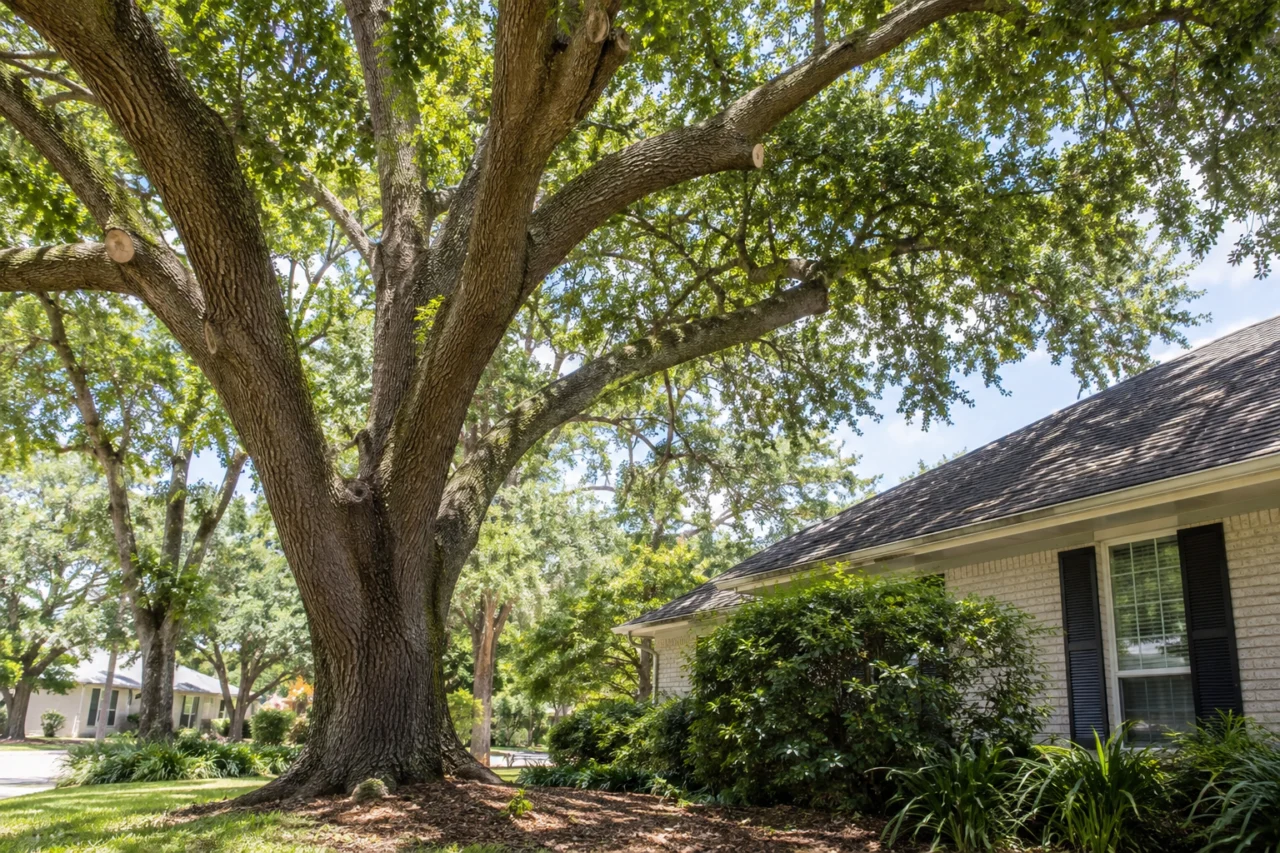
How to recognize a meaningful change between tree assessments
A useful preservation plan records the starting condition, not merely whether the tree looked green during one visit. Choose a few safe, repeatable views from the same public or private standing points and note the date, tree position, canopy outline, visible deadwood, soil disturbance, and recent landscape work. Do not climb, probe a cavity, excavate roots, or stand beneath suspect limbs to collect evidence. A qualified assessor can decide what observations warrant closer examination and what cannot be inferred from photographs.
Keep different types of concern separate. Sparse foliage following drought, a newly exposed root after grading, a crack at a large union, and a branch extending across a roof do not share one diagnosis or one remedy. Tell the provider whether the priority is retaining shade, managing a structural hazard, improving root conditions, or planning space for construction. The decision should compare realistic care options with the consequences of delaying a necessary risk-control step, rather than assume preservation or removal is always the right answer.

Protect the soil and access routes around retained trees
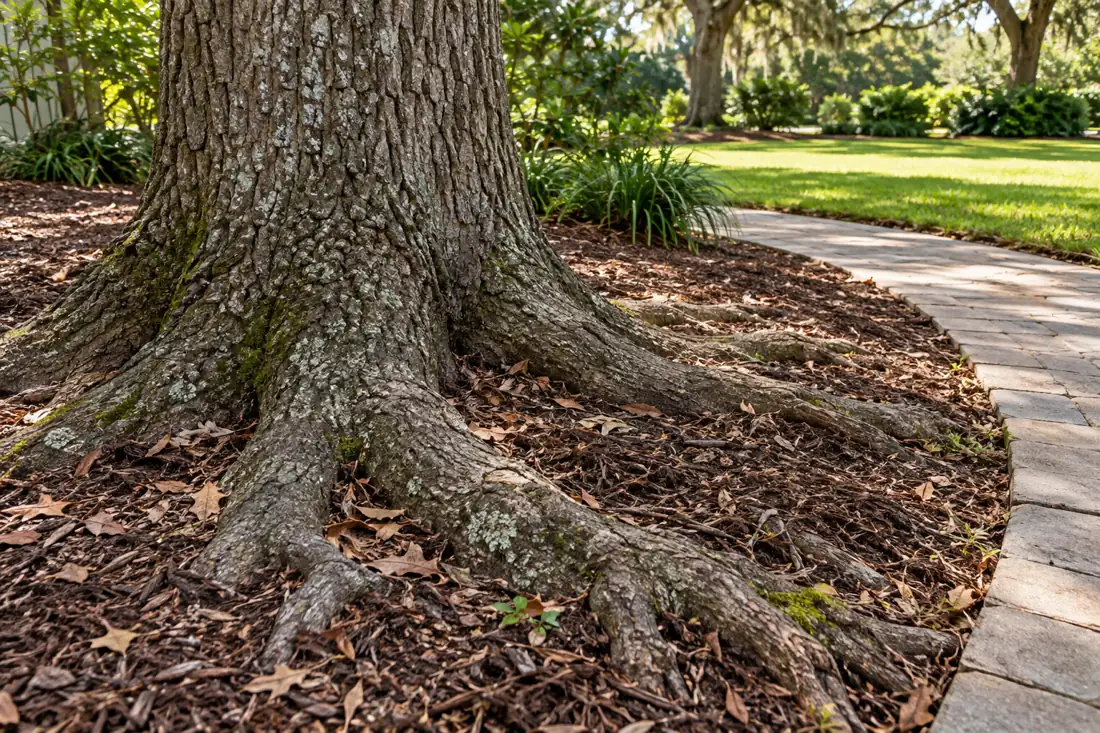
Tree preservation often begins with what happens on the ground. Parking, repeated cart traffic, stockpiles and changes in drainage near an existing root zone can matter even when the visible canopy looks unchanged. Before a landscaping or building project, identify the tree intended to remain, the paths equipment will use and areas where soil should be protected. Photograph the base and the broader site so those constraints can be discussed early.
Mulch, irrigation and pruning are not interchangeable fixes. A thick pile against the trunk is different from an appropriate soil-surface mulch ring, and extra water may be unhelpful where drainage is already poor. Ask what site evidence supports a treatment recommendation, whether work near roots requires a more detailed assessment and what signs should be monitored over time. Do not promise that a treatment will save a tree without examining the cause and severity of the concern.
A practical preservation scope should say which activities are allowed near retained trees, how access controls will be marked and who will monitor changed site conditions. When construction is involved, coordinate with the project lead before excavation or storage areas are established. Keep a simple before-work photographic record and note later changes so a professional can compare conditions without relying on memory or a misleading generic illustration.
Ask how the recommendations will be revisited. A written plan can identify which visible changes should prompt an earlier call, what work would be considered only after reassessment, and who will track watering, mulching, irrigation leaks, or new trenching near the tree. That creates a practical record for the property owner and a better basis for a future conversation, without suggesting that an inspection or treatment guarantees a tree cannot fail.
When a preservation discussion needs a separate risk decision
An owner may want to preserve a favorite shade tree while also worrying about a fresh crack, changed lean or roots disturbed by construction. Those are related but not identical questions. A preservation conversation should define the tree’s valued functions and the changes the owner has observed; an assessment of a potentially unstable condition may require different timing, expertise and access precautions. Treating a green canopy as proof of structural safety would be misleading.
For a useful follow-up, date wide photographs from the same safe viewpoint, note nearby excavation or drainage changes, and keep recommendations tied to the particular tree and property. Ask which observations call for reassessment and which treatment decisions depend on further diagnosis. No pruning, injection, fertilization or monitoring plan can promise that a living tree will not fail in future weather.
Separate Preservation Goals From Immediate Safety Questions
A mature tree may be worth keeping for shade, habitat and long-term property value, but preservation should not be used as a substitute for assessing an actual defect. A thinning canopy, fungal growth, changed lean or fresh crack can have different causes and levels of urgency.
Record the observation, when it appeared, what nearby drainage or construction changed and where people or buildings could be exposed. The first decision may be whether a qualified assessment is needed before ordinary pruning, fertilization or other routine maintenance is discussed.
An owner who wants to protect a particular tree should identify the functions that matter: a shaded play area, separation from a road, stormwater infiltration or a valued landscape feature. Share historical photographs and any previous arborist report if available. Ask which recommendations address an observed condition, which are long-term monitoring choices and which need another specialist or property trade.
No treatment is a guarantee against future tree failure; the useful deliverable is a documented decision with reasonable follow-up triggers and a plan to avoid unnecessary root-zone disturbance.
- Date wide views of the canopy, trunk and surrounding soil from repeatable safe locations.
- Tell the estimator whether the priority is structural safety, protecting roots during construction or improving health.
- Request a clearly documented follow-up interval or trigger instead of an undefined promise of ongoing care.
Questions about this project
Is a free work estimate the same as a written risk assessment?
Not necessarily. Explain whether you need pricing, condition advice, a documented assessment or a combination. Ask what the visit includes, who provides it and what limitations apply to any findings or recommendations.
What history should I share?
Share known storm damage, prior failures, construction, root disturbance, flooding, pruning and recent changes. Include the timing and nearby property use. Useful history supports the evaluation without replacing inspection of the current tree and site.
Does healthy-looking foliage mean a tree is structurally safe?
No. Leaves do not establish the condition of roots, trunk or branch connections. Explain visible defects and recent changes, and ask for an assessment appropriate to the tree and nearby targets.
Should I test a cracked branch or trunk?
Do not pull, shake, climb or cut damaged material to test it. Keep clear of the affected area and describe the condition from a safe location. Qualified assessment and an appropriate work plan are needed.
Is leaving the trunk untouched enough to protect a tree?
No. Roots, soil conditions and nearby work can matter even when the trunk is not cut. Identify retained trees before planning access, excavation and storage, and ask what site-specific protection is appropriate.
Can pruning undo construction-related root damage?
Do not assume it can. Share the work history and ask for an assessment of the current tree and site. Pruning, monitoring or other recommendations should address an identified need rather than substitute for protection planning.
How should extra work be approved?
Use the agreed approval process and identify the change, reason, scope, price or schedule effect as applicable. Confirm who has authority before treating an additional tree or task as part of the original job.
What completion records are useful?
Keep the agreed scope, tree or area identification, authorized changes, invoice and labeled photos where appropriate. Include unresolved items and a contact. Contract-specific records should follow the buyer’s stated requirements.
What should I compare besides the price?
Compare tree identification, work objectives, access assumptions, hauling, stump treatment, site finish and exclusions. Ask whether permits or other coordination are part of the scope and who can approve changes if conditions differ.
Does an online request book the crew?
No. A request starts the estimate conversation. The company still needs to discuss scope, availability and any site assessment. For a dangerous or urgent condition, call 504-458-8336 rather than relying on a form response.
What should I tell Tree Huggers about tree health & preservation?
Explain the property address, the work you want and the specific concerns: tree condition,site history,assessment limits. Send safe photos of the tree, surroundings and access route. The contractor can then discuss the assessment and scope needed for this situation.
How do I request an estimate for this work?
Call 504-458-8336, text photos or use the estimate form on this page. Include the address, desired outcome and any timing constraints. The company will need to review scope and availability; an online request does not confirm a price, appointment or emergency dispatch.
Get a scope for your property
A preservation inquiry should begin with a tree’s setting and a clear decision, not a request to treat every symptom. Explain the species if you know it, approximate age or size, recent storms, soil disturbance and whether branches extend over frequently occupied places. Include one wide image showing the full crown and property context plus safe ground-level views of visible bark damage, root exposure or canopy decline.
Describe how long a change has been visible and whether irrigation, paving or construction work occurred nearby. Do not climb, dig into root flare tissue or apply a chemical before the condition is assessed.
Ask for a written evaluation that separates observed symptoms, plausible causes, uncertainties and monitoring choices. A preservation plan might address pruning, soil conditions, root-zone protection or further diagnostic work, but none should be promised before seeing the site. Clarify which recommendations Tree Huggers can perform, which require a consulting arborist or other specialist, and what constitutes a useful follow-up observation. Include safe access, protection of surrounding plants and cleanup expectations. Healthy appearance in a photograph does not establish that a tree is structurally sound.