Define suitable pruning objectives for roofs, driveways, occupied properties and retained shade.
Write the pruning objective before describing the cuts
Pruning near a building, sidewalk or parking lane should begin with a measurable concern: roof clearance, visibility, pedestrian access, deadwood or a structural imbalance. Those are not interchangeable requests. Ask which branches will be evaluated, whether the intended clearance is realistic without excessive foliage removal, and what alternative is proposed if cutting would harm the tree. Avoid asking a crew simply to make the tree small; heading or topping mature limbs can create weak regrowth and future maintenance problems.
A practical specification should identify obstacles such as service drops, streetlights, neighboring limbs and work-hour constraints. It should also state who will haul cut material and whether a follow-up inspection is appropriate after severe weather. If a limb is close to electrical conductors, leave clearance determination and work to qualified personnel using the proper utility coordination. Review the desired final condition before work begins, not only after the canopy has changed.
Replace a vague trim with a clear objective
People use the word trim for very different work. One owner wants deadwood removed; another wants branches off a roof; a third wants a smaller-looking tree. Begin by naming the concern and the result you want. If preserving shade or screening is important, say that too. The contractor can then discuss a pruning objective that reflects the tree and site rather than interpreting an undefined request to cut it back.
A useful written scope identifies which trees and objectives are included. It should make clear whether the work concerns a particular clearance area, selected dead branches or another defined need. Do not assume every visible branch receives the same treatment. The tree-trimming service page introduces the work, while this planning guide helps you prepare the information that makes the proposed result understandable before anyone begins cutting.
Show what the branch is affecting
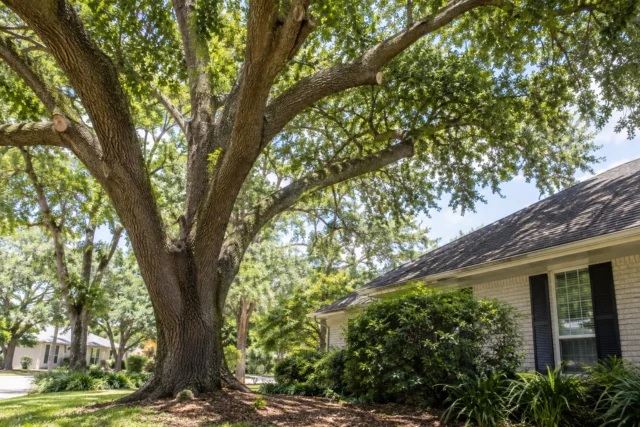
For roof clearance, include the branch, gutter, roof surface and nearby part of the crown in one wide view. For a driveway, show how vehicles normally use the space. For a sign or light, show the obstruction and the surrounding branches. The target explains the objective; a close-up of leaves alone usually does not. Add a safe detail photo only when it helps identify a specific concern.
Describe whether there is actual contact, a desired access change or simply a visual preference. If another contractor has requested clearance for a roof or building project, share that requirement and timing. The tree contractor still needs to evaluate a suitable approach for the tree’s structure. Keep the request tied to the affected feature so the estimate can distinguish a limited clearance task from broader canopy work that you may not intend to authorize.

Keep retained canopy and long-term form visible
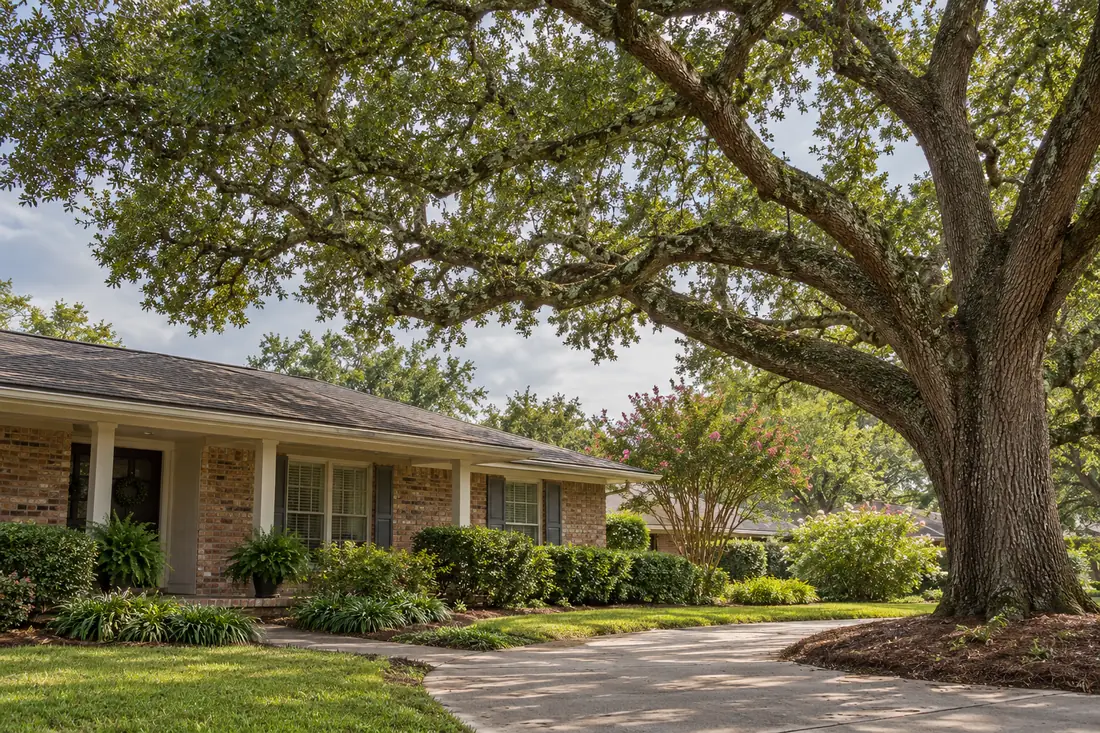
Before the walkthrough, think about the benefits you want to retain: shade over a patio, privacy from a neighboring window or the shape of a prominent front-yard tree. These goals help frame the discussion. Ask what the proposed work will leave and whether a particular request could conflict with the tree’s structure or ongoing care. A photograph of the tree before work can be a helpful reference for that conversation.
Avoid treating severe size reduction as routine maintenance merely because a tree has grown large. The tree-topping guide addresses an important distinction, and the tree-health section provides related preservation context. You do not need to choose cut locations yourself. You do need to understand the purpose and expected scope well enough to recognize whether the proposal matches your stated goal of keeping a useful, established tree.
Separate visible deadwood from a condition question
A request to remove visibly dead branches may also reveal questions about why part of the tree changed. Share when you noticed the condition, whether it followed a storm and whether nearby construction, paving or ground disturbance occurred. Do not describe a tree as healthy solely because the remaining leaves look green. The contractor needs the concern and site history, and may recommend evaluation beyond a routine trimming scope.
If a branch is split or hanging, keep clear rather than trying to shake it loose or inspect it from a ladder. The hanging-limb service page introduces that different situation. Make urgency clear when contacting the company. A planned maintenance visit and a new damaged-limb request should not be treated as interchangeable simply because both involve branches. The required assessment, work zone and timing can differ.
Make pruning objectives specific
Requests to trim a tree can conceal very different goals. Identify which roof, driveway, entrance, sign or outdoor use needs attention and describe the actual contact or clearance concern. A wide photograph should show the tree and affected feature together, with a second image only if it safely clarifies the branch.
If a delivery or maintenance vehicle is the issue, explain how it normally uses the space. Do not prescribe a cutting distance or an aggressive crown reduction based on a photograph when species, branch unions and site conditions have not been evaluated.
Ask the assessor to separate deadwood removal from selective clearance and structural pruning. Each has a distinct intended result. A useful plan describes what is being retained and how shade, screening and canopy balance factor into the decision. If a roof or utility trade has requested access, coordinate schedules and work-zone boundaries before crews arrive. Overhead electrical conductors must be handled through the responsible utility and qualified workers; the owner should not approach branches near energized lines to check an estimate.

Describe the needed clearance instead of requesting indiscriminate cuts
A clear pruning request identifies which branch or use of the space is causing concern. A limb above a roof, a branch that touches a vehicle or growth limiting a walkway are not interchangeable tasks. Show the complete crown and the target from several safe angles so the estimator can consider structure, access and the likely visual result. Avoid choosing the number of feet to remove without first understanding the tree and objective. Excessive reduction can create avoidable defects, while light work may not solve the stated use conflict. Ask how proposed cuts support the tree’s structure and what debris handling is included. Confirm whether the quote addresses only clearance or a broader pruning objective before accepting it.
Make the pruning-plan document a decision aid
A planning guide should help an owner prepare an accurate request, rather than imply that every species or property needs the same pruning method. Mark the approximate branches or clearance area in a ground-level photo, state the reason for the work, and note any structures, traffic, or utilities below.
List the parts of the canopy you want to retain and any concerns about an existing lean, old wounds, or recent storm damage. Do not specify a topping cut or an arbitrary amount of canopy removal. When the assessment occurs, compare the proposed pruning objective with what the contractor can safely accomplish and what tree health allows. This separates preparation advice from the actual professional pruning decision.
Compare the canopy with the clearance objective
An owner may want a branch farther from a gutter, more space above a driveway or improved passage near a gate. Those are different objectives. Mark the exact affected location in a wide photograph and explain what is being obstructed. The condition of the limb, species, canopy balance and future growth still require appropriate professional judgment.
Do not choose the percentage of foliage to remove solely from an illustration or a distance estimate. Ask the tree professional to explain which cuts are proposed, how the retained canopy will function and what ground access the work requires. Keep any work near power lines with the appropriate utility or qualified personnel.

Planning example: clearance without losing the whole canopy
Suppose an owner wants a branch off the gutter but also wants shade over the patio. A request to cut the tree way back could obscure the second goal. A better first message shows the branch, roof and patio together and states both objectives. During the estimate, the owner can ask which clearance work is proposed, what canopy is intended to remain and whether any visible condition needs evaluation beyond the pruning task.
The accepted scope should identify the tree and relevant clearance area rather than imply uniform cutting across the entire crown. Access, the patio work zone and debris handling still need attention. At completion, compare the defined objective with the result instead of judging whether the tree looks dramatically smaller.
If another branch concern is raised during the visit, clarify whether it is included, optional or requires a different assessment. This hypothetical example shows why practical objectives are more useful than an unspecified amount of trimming. It does not prescribe cut locations, a fixed clearance or a pruning method for a real tree.

Turn a pruning request into a checkable finished condition
A request to trim a tree is too broad to verify. Photograph the exact conflict from the normal viewing position: a path, roof edge, sign, driveway or service area. Then describe the outcome needed, such as restoring visible clearance for a walkway while retaining a balanced canopy. Avoid prescribing an arbitrary percentage of foliage removal or topping a mature tree. The tree-care professional should choose appropriate cuts based on species, branch structure and the real target.
Ask the proposal to distinguish deadwood removal, clearance pruning and structural work. Identify any overhead service lines or access restrictions before approving the schedule. At completion compare the same ground-level view with the original concern and discuss whether the objective was met; a fuller-looking pile of cut branches is not evidence that the pruning was better.
Plan access for pruning as carefully as removal
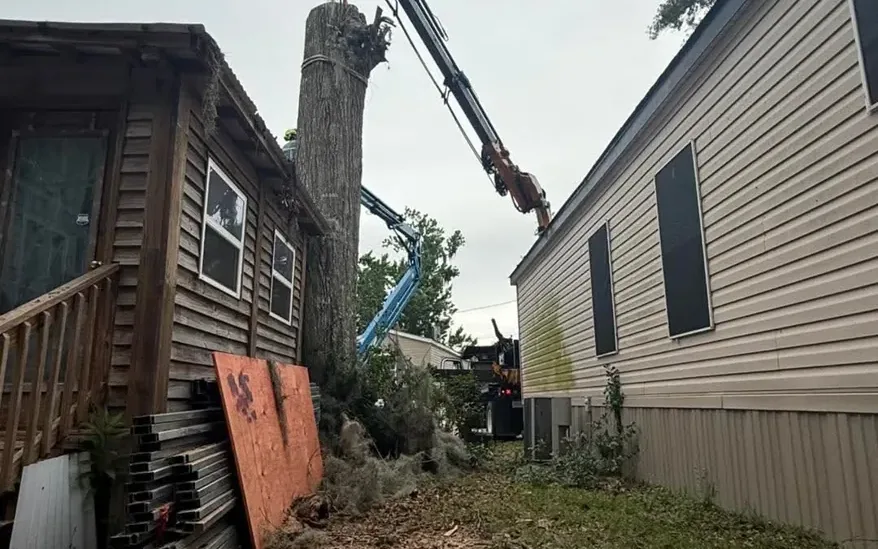
A tree can stay in place while still requiring substantial access and material handling. Show the route to the work area, gates, turns, overhead features and loading location. Tell the estimator about a pool, delicate paving, retained beds or known buried components. Branches removed from a rear tree still need a path out, and equipment suitability depends on more than whether the trunk fits within the yard.
For an occupied property, agree on entrances, vehicles and areas that must close during the work. A person should not pass beneath the canopy because the task is described as maintenance rather than removal. Pets, children, customers and other trades need the same clear separation from the active zone. The work window should account for cutting, handling and cleanup, with reopening confirmed by the responsible parties. Preparation should follow the agreed plan instead of an assumption that pruning needs little space.
Preserve structure and coordinate clearance
Make acceptance depend on the agreed objective, not simply on whether the tree looks smaller. Compare safe ground-level views of the target area, note which branches were intentionally excluded and ask when future growth may justify another review. Clarify debris handling and any separate property restoration. Retain the written scope and approved changes so future workers know why particular cuts were chosen. Avoid representing a generic planning image as a documented pruning result.
Decisions to confirm
- Name the exact target and typical use below the canopy
- Separate deadwood, clearance and structural tasks
- Coordinate access with other contractors
- Record retained limbs and defined completion views
Coordinate timing with the tree and the site
Tell the company about the reason for your preferred date: a roof visit, a moving vehicle, a property event or a recurring access constraint. Ask what timing is appropriate for the specific tree and objective rather than choosing solely from an online calendar rule. The Louisiana pruning-timing guide explores the related question. Condition, task and site needs all belong in the discussion.
An urgent damaged branch may need a different response from elective appearance work. Explain any change noticed while waiting and keep clear of a newly affected area. If access or another contractor’s schedule changes, tell Tree Huggers before arrival so the work plan can be reviewed. A requested window is useful planning information, but it does not confirm an appointment or guarantee that a particular amount of pruning is suitable for the tree at that time.
Define cleanup and the completion view
Pruning generates branches, leaves and sometimes larger wood, but the amount and location depend on the task. Ask what is hauled, whether any useful wood remains and which areas are included in the cleanup. If material travels across a shared path or business frontage, include that route in the finish discussion. Do not assume cleanup includes replacing planting, repairing existing surfaces or performing unrelated landscape maintenance.
Use the original tree identifiers and objectives to review completion. The relevant question is whether the agreed care or clearance work was performed, not whether every branch looks identical to the next tree. If another issue was observed during the visit, record whether it was addressed, deferred or needs separate assessment. Keep those notes with the invoice and reference photos. A clear completion view reduces the chance of a later disagreement over an unstated expectation such as thinning the entire canopy.
Request care without promising a storm-proof tree
Pruning can be part of a considered tree-care plan, but no quote should be understood as a guarantee against every future storm or branch failure. Ask which objectives the work addresses and which concerns remain. If the request involves structural support, treatment or a condition review, discuss those as specific services rather than assuming ordinary trimming covers them. The support-system page provides related scope context where appropriate.
To start, send the address, safe whole-tree photographs, the affected target and the result you want. State what canopy you hope to retain and any site restrictions. Use the estimate form for routine work and call about a newly dangerous condition or response availability. The guides below can help refine a particular question; the final plan still needs to fit the tree on your property.
A thoughtful pruning request gives the contractor an objective while leaving technical cut and method decisions to the qualified people reviewing the work.
Tree Pruning and Clearance Planning questions
What is a useful pruning objective?
Name the specific result, such as deadwood removal or clearance above a roof or drive. Include what shade, screening or canopy you want retained.
Is cut it back enough information for a quote?
It leaves substantial room for interpretation. Identify the trees, affected features and expected outcome so the proposed work can be discussed clearly.
Which photos help with roof clearance?
Show the branch, roof, gutter and surrounding canopy together from a safe position. A detail image can supplement the wide view if needed.
Can I ask to keep the patio shaded?
Yes. Tell the estimator that retaining shade matters. Discuss how the clearance objective and retained canopy can be considered together.
Does green foliage prove a tree is sound?
No. Share visible defects and changes as well as foliage condition. Some concerns need assessment beyond a routine pruning estimate.
Should I shake loose a hanging branch?
No. Keep clear and describe the condition from a safe place. A damaged or suspended limb requires an appropriate response and work plan.
Does pruning need an equipment access route?
It can. The contractor needs to reach the work and move removed material out. Show gates, turns, overhead features and loading space.
Can people walk beneath maintenance work?
The active work area needs controlled access. Arrange alternate routes and keep people and pets outside it until reopening is confirmed.
How should timing be chosen?
Discuss the tree, care objective, condition and property constraints. A general calendar rule alone does not confirm the appropriate work or appointment.
Does cleanup include new planting?
Only when agreed. Define hauling, retained wood and the cleanup boundary separately from landscape installation or unrelated surface work.
Can trimming make a tree hurricane-proof?
No. Ask what the work addresses and what concerns remain. Tree care cannot guarantee immunity from severe weather or future failure.
What should a pruning estimate request include?
Send the address, whole-tree photos, target or concern, retained-canopy goals and access restrictions. Mention a recent dangerous change directly by phone.
Describe the result you want from pruning
Tell us whether the goal is clearance from a roof, safe access, canopy structure, broken-branch removal or routine maintenance. Identify the affected tree and nearby wires, buildings or shared boundaries, using photos taken from the ground at a safe distance. Avoid promising a fixed percentage of canopy removal before the tree is evaluated. The pruning scope should reflect tree condition, species, seasonal considerations and the reason the work is being requested.