Compare site constraints and the practical questions behind specialized tree-work equipment.
Site access determines more than which machine can fit
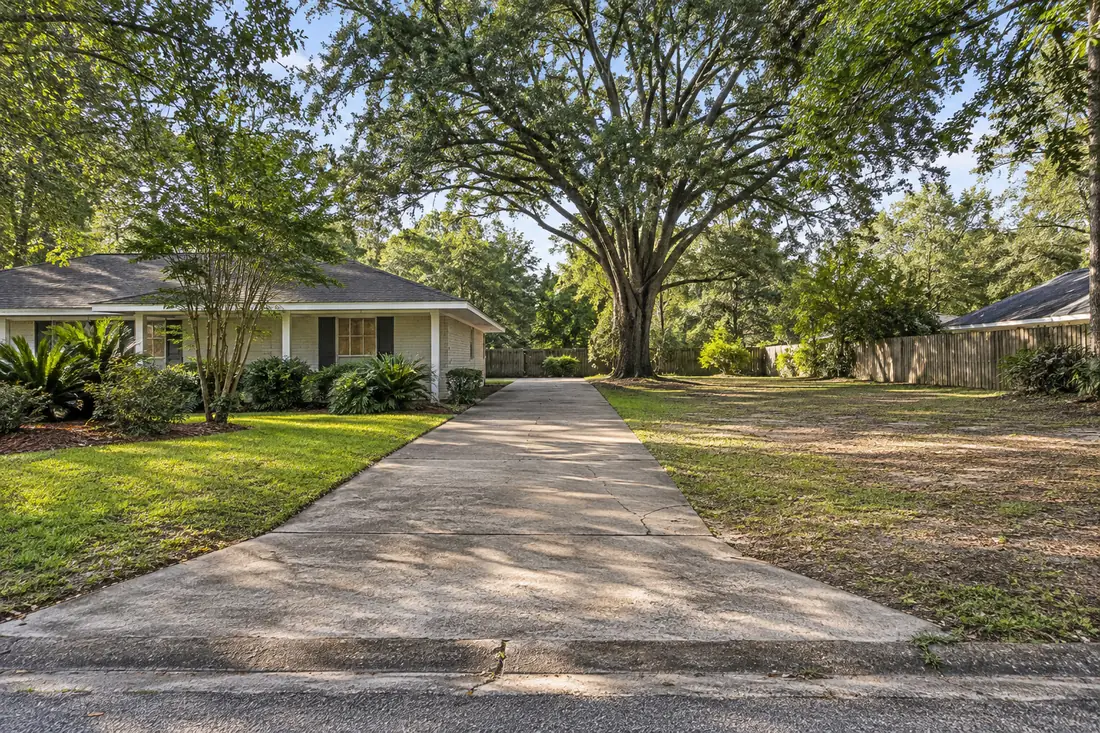
Measure usable gate and driveway clearances at the narrowest point, not just the opening at the street. Include turns, slope, overhead branches, wires, soft ground, septic components, irrigation heads and the location where debris must leave the property. A compact machine may fit through a gate yet lack the reach, working clearance or ground support needed at the tree. Conversely, a larger setup may require temporary protection or a different entry that should be agreed upon before a crew arrives.
Ask the estimator to explain where material will be lowered, whether a crane or lift is being considered, what surfaces need protection and how weather could affect access. Do not infer equipment capacity from a marketing photograph; load, stability and working configuration are job-specific. If a neighboring driveway or public lane is involved, obtain the proper permission and coordination first. Confirm whether restoration of ruts, damaged turf or removed fence panels is included in the written scope.
Let the site define the equipment discussion
Equipment can be impressive without being appropriate for a particular property. A crane, remote-controlled cutting system or compact handling machine still needs a suitable route, setup and task. Begin with the tree condition, nearby targets and desired result. Tell the estimator where the tree stands and how material could leave. That gives the machinery discussion a practical foundation instead of starting with a preferred tool and trying to make the site fit it.
The equipment service page introduces Tree Huggers’ planning conversation. This hub brings together the access questions that often determine what is feasible. A photo or machine specification can help explain an option, but it does not confirm a lift, reach, load, setup or work method. Those decisions belong with the qualified people assessing the actual tree, property and equipment involved.
Photograph the route as a sequence
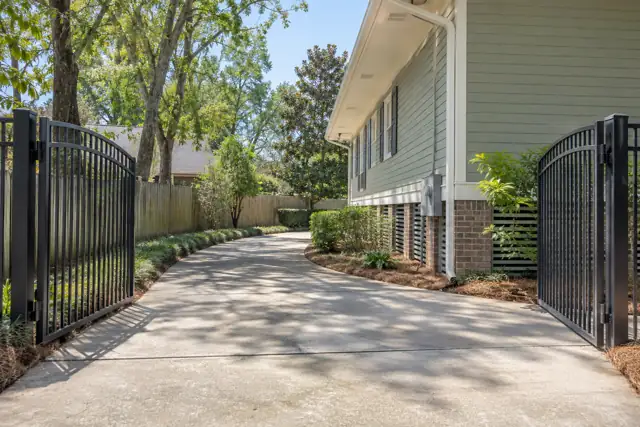
Start at the street or delivery entrance and show each part of the approach. Include the narrowest opening, tightest turn, slope, overhead obstruction and final setup area. A wide gate is useful only if equipment can travel beyond it. Show both directions where possible, since material and trucks may need a practical way back out after the work.
Add known measurements as observations, clearly distinguishing estimates from measured clearances. Do not climb, enter a hazard or remove part of the property to obtain them. Mention fixed air-conditioning units, meters, steps, eaves and gate operators. The remote-controlled removal page provides related context, but compact access should not be assumed from the label alone. The contractor needs the real route and proposed work before suitability can be discussed confidently.
Separate travel space from setup space
A machine may fit along a drive yet lack a suitable place to operate. The estimator needs the final positioning area, room around it and relationship to the tree. Show fences, buildings, retained trees, overhead services and any restriction on nearby space. If another property offers apparent setup room, identify the separate authorization that would be needed rather than treating it as part of the customer’s site.
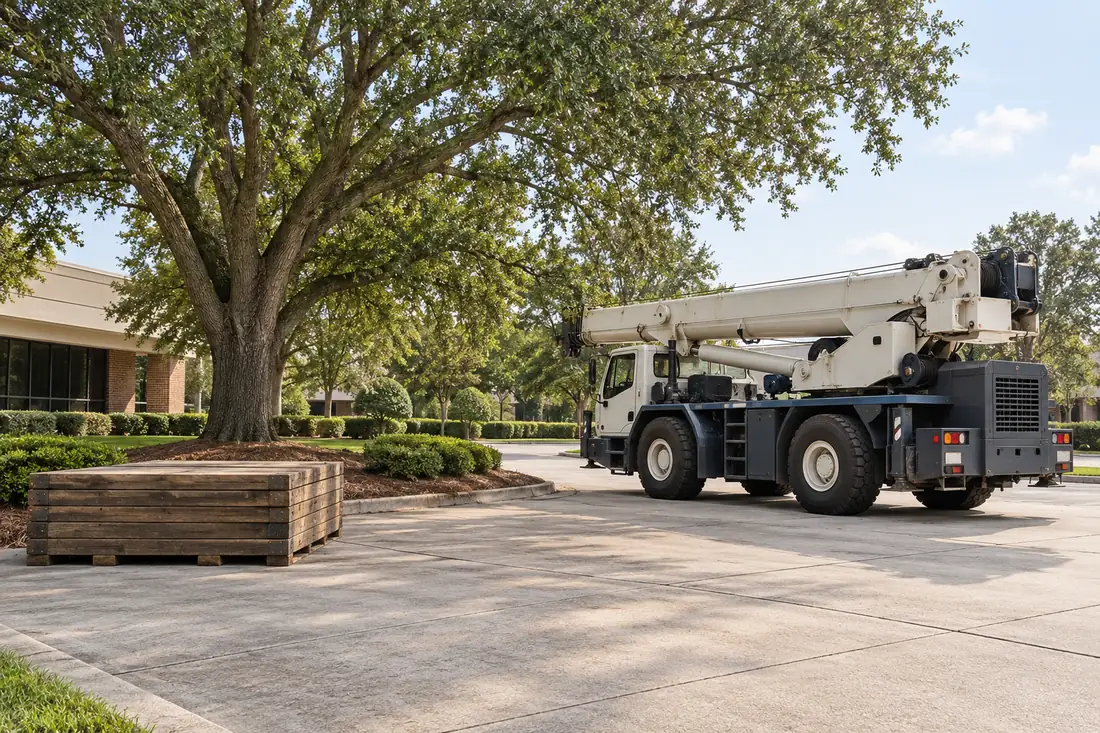
For crane-assisted removal, setup and reach are connected to the task and ground conditions. Do not infer lifting capability from boom length alone or assume the street can serve as a work area. Explain which areas the customer controls and which require outside coordination. A useful scope makes the assumed setup location visible so a later change can be reviewed before the crew and equipment are committed to a different approach.
Identify ground and surface constraints
Tell the contractor about known buried services, drainage features, utility covers, retaining elements and fragile surfaces along the route. Mention places that remain soft or collect water. A paved appearance does not establish the capacity or underlying condition of every driveway, slab or path. Site information and an appropriate review are needed before treating a surface as suitable for proposed equipment and loads.
Discuss protection measures in relation to the actual route. Mats or coverings may be useful, but they should not be interpreted as permission for any machine to cross any feature. If weather changes the ground after the estimate, update the company before arrival. The work plan should reflect the property’s condition on the workday, with a clear discussion of any changed timing, route or method instead of an automatic assumption that the original setup still applies.
Map equipment access from the street to the tree
Measure more than the gate opening. Photograph the entire approach in order: street, curb, driveway, turns, gate, work area and likely material-loading point. A small machine may fit through a gap yet fail to make the turn or pass beneath eaves and service lines. Describe slopes, parking restrictions and shared access. These facts help frame an assessment, but the operator must still verify carrier dimensions, reach, setup and control of the work area.
Ground conditions can rule out a proposed approach even where space looks sufficient. Note wet lawns, recently dug trenches, catch basins, aging slabs, buried utilities and irrigation. Ask who will verify bearing support and equipment placement; neither the homeowner nor a generic brochure can establish safe outrigger or track loading. A crane, lift, compact loader and grapple-saw attachment have different requirements. Ask the provider to explain why the chosen method fits the site rather than assuming one machine is always superior.

Check every turn, not just the opening width
A machine can fit through a gate on paper and still be unsuitable for the route beyond it. Include overhead clearance, a turning area, slope, wet soil and protection of paths, drainage or buried features when describing access. Share photographs from both sides of the entrance and identify the exact tree and loading location. Ask what method is planned if the ground remains soft after rain. Homeowners should not dismantle fences or authorize use of a neighbor’s property until the proposed scope and access responsibility are clear. A quote that names a crane, loader or other machine should explain the role that equipment plays rather than implying every site with a difficult tree needs that same tool.
Record travel path and working position separately
A route that looks wide at its entrance may still fail at a corner, slope, utility crossing or place where the machine has to turn. For equipment planning, photograph successive access points from the street to the work area and identify gates, soft ground, drainage features, retaining edges and overhead lines.
Mark the proposed staging area separately from the travel route. The contractor must confirm equipment dimensions, load, support needs and safe operating clearance rather than relying solely on measurements supplied by an owner. If a fence panel or landscaping feature might need temporary removal, ask who would arrange and restore it.
This planning record is most useful when it limits assumptions before any machine enters the property.
Planning example: a wide gate and a tight turn
Suppose a homeowner measures a double gate and believes a machine will fit, but the route turns sharply beside a raised porch before reaching the tree. Beyond the turn is a soft lawn and a narrow loading path. A single gate-width message misses the constraints that matter after entry. The useful photo sequence starts at the drive, follows the turn and shows the setup area and way material would leave. Known ground and surface concerns should be included honestly.
The contractor can then review whether an appropriate approach exists, whether preparation is needed and how the handling connects to loading. The owner should not remove the porch railing or a fence panel before that review. If a different route requires another owner’s permission, resolve it separately.
This hypothetical example shows why access and setup cannot be reduced to one dimension or a compact-machine label. It does not establish a particular machine’s clearance or lifting capability. A feasible plan follows the whole route and task, with changed conditions reported before mobilization.

Verify the machine's complete route and working envelope
An equipment plan cannot be based solely on advertised machine width. Walk from the street to the tree and consider turning radius, gates, overhead lines, low limbs, slope, soft ground and the actual space needed when a platform, stabilizer or load is operating. A machine that passes through an opening may still lack a safe position for lifting or lowering wood.
Ask the contractor to distinguish travel, setup, operation and removal routes, including where logs and brush will be staged. Protect irrigation, root zones, sidewalks and driveways only where the protection method is suited to the soil and load. Permission for a shared drive, public street space or neighbor's lot must be resolved before the crew arrives, not inferred from an aerial image.
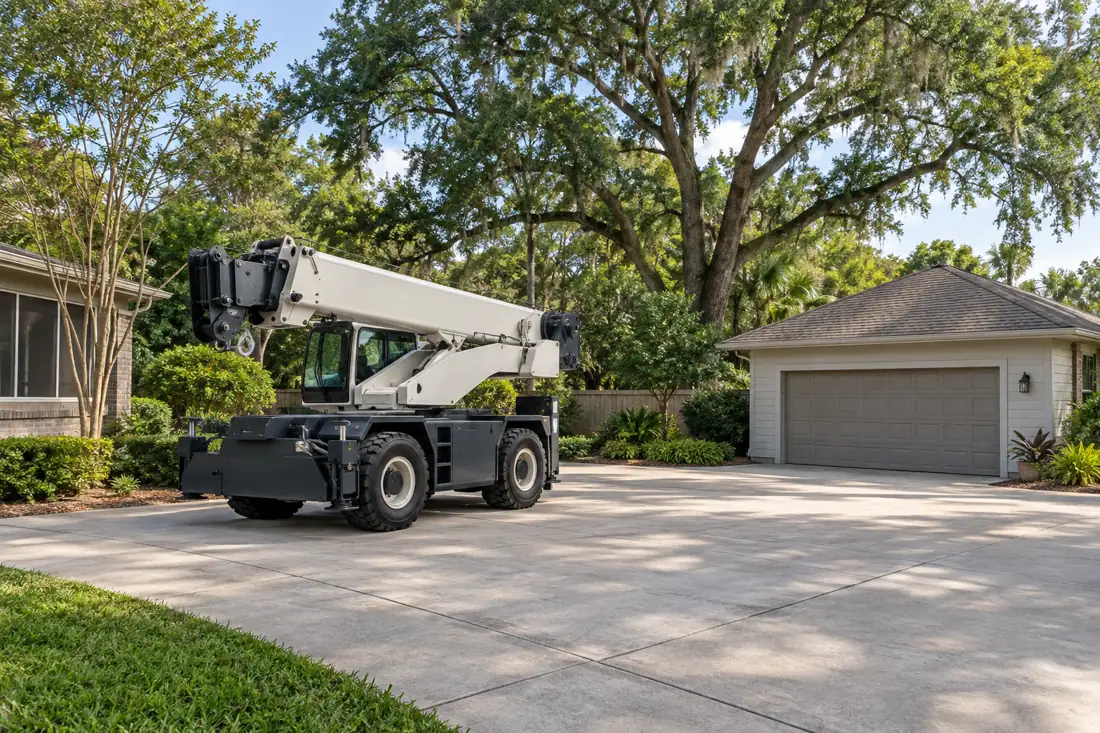
Agree on a fallback if wet conditions or hidden site constraints make the original route unusable: smaller pieces, another lifting method, a later date or a revised scope may be necessary. Keep the decision and any change to price or access approval in writing. This educational equipment scene demonstrates planning concepts, not clearance measurements for a specific job.
Account for overhead space and neighboring targets
Low eaves, utility drops, branches and wires can matter even where the ground route is open. Show them from safe viewpoints and identify known conflicts. Trees near electrical facilities need appropriate utility coordination and qualified handling; a customer should not move a line or touch contacting material to prepare access. Keep the tree-work and utility responsibilities distinct in the discussion.
Also show the areas beneath and around the handling path. A neighboring shed or glass patio roof may be outside the trunk’s footprint but relevant to the method. The difficult-removal page addresses related constraints. A useful equipment proposal explains how the site is accounted for rather than treating mechanization as a guarantee that nearby property no longer matters. The targets, tree condition and work-zone controls remain part of the plan.
Review support and material-handling constraints
Clarify the temporary exclusion area, where bystanders and occupants will be redirected, and how debris will leave without damaging features that remain. If the site shares access with neighbors or another trade, agree on timing and authorization before setup. At handoff, record the actual route, any surface impact and excluded restoration. Keep planning images labeled as hypothetical scenes rather than completed projects or evidence that a particular vehicle can enter this property.
Decisions to confirm
- Photograph the entry route in sequence
- Record overhead and ground-bearing constraints
- Leave equipment suitability to qualified operators
- Agree on exclusion, staging and surface restoration
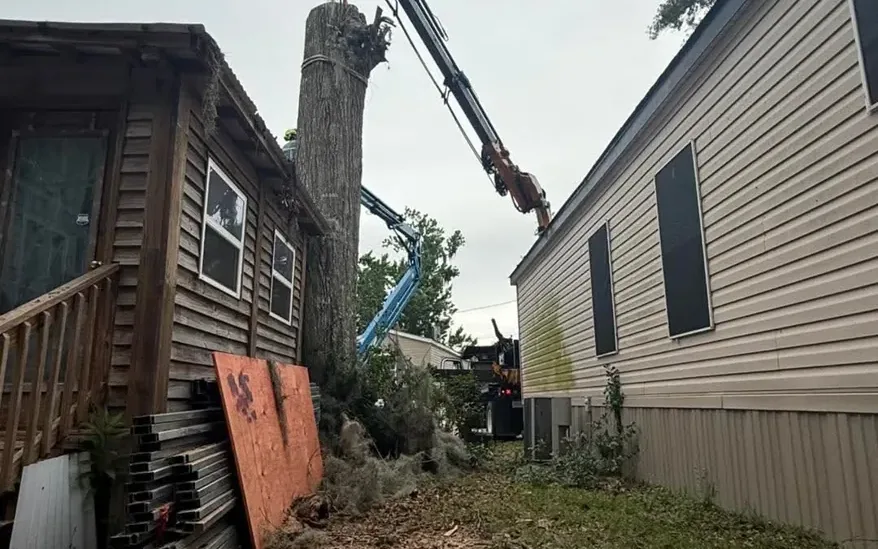
Plan handling and loading as one operation
Ask where tree sections or brush go after cutting and how they reach the truck. A site with room for a machine may still lack loading space or a workable route for material. Identify shared drives, gate hours, parked vehicles and deliveries. Discuss whether the work can be phased without assuming every route stays open throughout cutting, handling and cleanup.
If wood remains, identify a feasible location and handling arrangement before pricing. If all agreed material leaves, confirm hauling and cleanup boundaries. The debris-planning hub explores those finish decisions. Avoid treating faster cutting as proof that the complete job takes little space or time. Production depends on the connection between the tree, setup, handling and destination, not only the speed of one tool while it is operating.
Agree on preparation and change responsibility
The customer may need to move vehicles, arrange gate access or coordinate a temporary opening. State who does each task and when. Do not dismantle a fence or clear another tree before the proposed approach is reviewed. If the preparation depends on a neighbor, manager or other contractor, keep that contact and authorization connected to the accepted scope.
Changes matter. A new shed, delivery of building material, locked route or altered ground can invalidate an assumption used during estimating. Send updated information promptly and ask what effect it has on the plan. The contractor should not have to discover a different site only after arriving. Keeping preparation explicit also helps distinguish normal tree cleanup from separate restoration of an access opening, landscape area or surface affected by another part of the project.
Ask for a method you can understand
You do not need to approve technical lifting calculations to understand a tree-work proposal. You should know which tree is included, the access and setup assumptions, which areas close, how material leaves and what finish is included. Ask for practical clarification where a machine name stands in for those details. Compare proposals against the same site and outcome instead of selecting solely by the largest equipment pictured.
To begin, send the address, tree views and a route sequence from entrance to work area. Include known restrictions and the intended finish. Safe photos prepare the discussion; they do not confirm the final method. The guides below expand individual equipment and access questions. The goal is a feasible whole-job plan that uses suitable equipment deliberately and leaves the customer with clear responsibilities before mobilization.
Tree Equipment and Access Planning questions
Should I choose a machine before requesting an estimate?
Start with the tree, targets, access and desired result. Equipment suitability follows the site and task rather than a preferred machine name.
Which route photos are useful?
Show the street approach, narrowest opening, turns, overhead features and final setup area in sequence, including the way material would leave.
Does fitting through the gate confirm access?
No. Turns, slopes, overhead clearance, ground conditions and setup space can still restrict the proposed method.
Is travel room the same as operating room?
No. A machine can fit along a route without having suitable space to set up and perform the actual task.
Does pavement prove ground suitability?
No. Explain known buried features and surface restrictions. Capacity and support need review for the proposed equipment and loads.
Do mats make every route usable?
No. Protection measures must fit the surface, conditions and work. They do not remove every load or access limitation.
Can boom length alone confirm a crane lift?
No. Reach, load, setup and site conditions must be assessed together by the qualified people planning the operation.
What overhead features should I show?
Include eaves, branches, utility drops and wires from safe positions. Do not touch or move lines or contacting trees to improve access.
Why does loading space matter?
Cut material needs a handling route and destination. Trucks, parked vehicles, gate hours and occupied routes can shape the complete operation.
Who prepares a temporary opening?
Agree on authorization, preparation and reinstatement before work. Do not alter the fence or assume a neighbor’s access without review.
What changes should I report before arrival?
Send new obstructions, changed ground, construction activity, locked routes or tree damage. The method, schedule or scope may need reassessment.
What should I understand in an equipment proposal?
Know the included tree, setup assumptions, affected areas, material handling and finish. Ask for plain clarification beyond a machine label.
Check the equipment path as carefully as the tree
Describe gate openings, driveway width, turning space, overhead utilities, soft ground and any paving, septic or irrigation infrastructure that must be protected. Safe photographs of the approach are often as useful as photographs of the tree. Do not attempt to measure near energized lines or unstable limbs. Explain whether the route crosses neighboring property or shared access, because approval and equipment selection need to follow the actual site conditions.