Plan difficult access, large trees, structures and a clearly defined removal scope.
A removal inquiry should produce an unambiguous site handoff
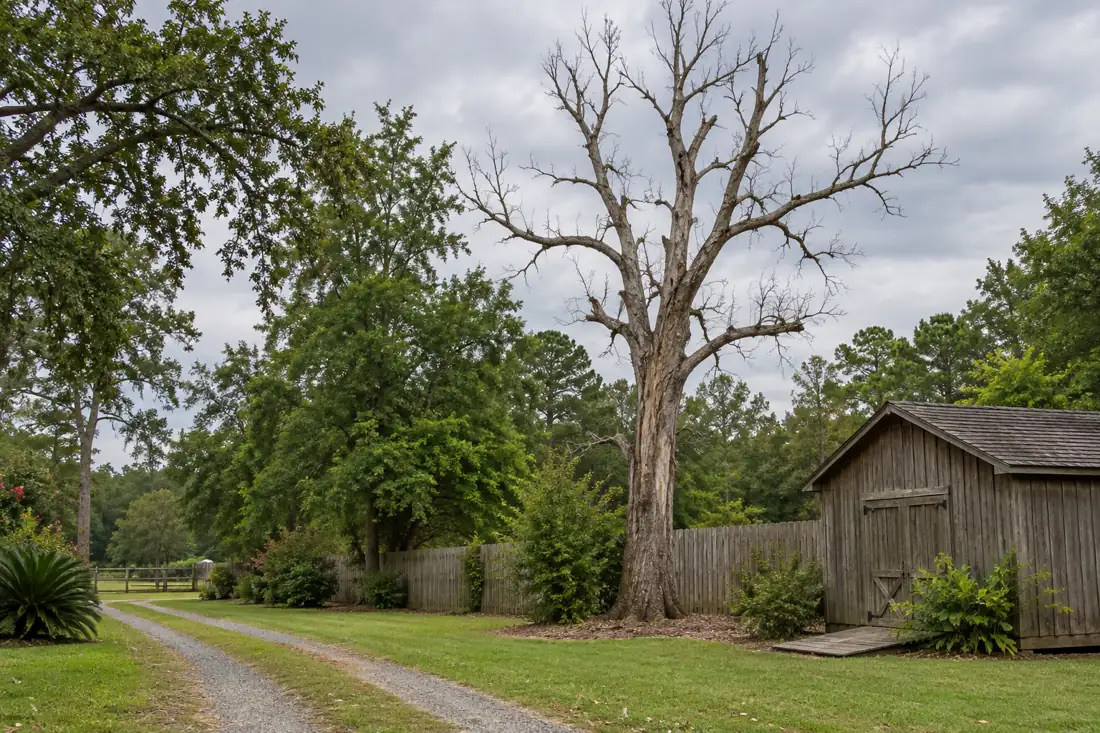
Label the exact tree on a wide property photograph and include the nearest structures, overhead wires and known buried systems. Confirm whether the request is for an assessment of whether removal is appropriate or a price for an already authorized removal. These are different decisions, and mixing them creates avoidable scope changes.
Work backward from the final ground condition: does the owner want the trunk flush-cut, the stump ground, chips hauled, and soil placed for landscaping? Those choices should be visible on the estimate. The same plan should identify the access route, public-space restrictions, how wood will be lowered and where it can be loaded.
If property lines or protected-tree requirements might apply, resolve permissions before mobilization. Photograph the access and surrounding surfaces before equipment arrives, and record any limitations that prevented a complete view of the tree. A good removal plan offers a safe sequence and measurable end condition without representing an illustration as a documented past job.
Removal preparation: make the decision before the quote
Use a site sketch and photos to answer three separate questions before contacting a crew: why removal is under consideration, who controls the tree and the land beneath it, and what access can legally be made available. Distinguish a dead or structurally compromised tree from one that is simply shading a future landscape plan. Never assume a property-line tree or a tree near utility conductors can be handled on the owner's instruction alone.
This planning article helps assemble facts and alternatives; it does not replace a qualified on-site assessment or a contractor's actual work proposal. When the choice is to request physical removal, use the linked removal-service page to describe the tree, the protection needed for nearby property, debris handling and whether stump work should be priced separately. That handoff avoids turning general guidance into an implied service guarantee. Tree Removal.
Decide whether you need removal advice or a removal price
There is a useful difference between asking whether a tree should be removed and asking what an already decided removal would cost. If the concern is a visible defect, declining foliage or a branch that changed after weather, explain that you need the condition reviewed. If the tree conflicts with an approved project, provide the project information. The contractor should understand which decision remains open before treating removal as the only outcome.
An estimate introduces the work and its price assumptions; it is not automatically a documented assessment of every part of the tree. Ask what the visit includes and whether additional evaluation is needed for your question. If retaining the tree is important, make that objective explicit. A useful discussion can consider the concern, nearby targets and appropriate alternatives without presenting a distant photograph as proof that a tree must go or can safely remain.
Identify the complete tree, not only the trunk
A marked photograph helps when several trunks overlap or when a tree grows close to a boundary. Include the crown, base and surroundings from safe viewpoints. Tell the estimator which tree you mean using a fixed landmark, such as the detached garage or rear fence corner. A close view of bark can show a detail but cannot explain the tree’s relationship to a roof, drive or neighboring structure.

Work backward from the promised finish
A reliable removal plan follows the tree from assessment to the final truckload. Identify the equipment route, overhead lines, soft ground, site access, fragile hardscape and other trees that must remain untouched. Trace where wood will be lowered or handled and which areas must stay clear for residents, customers or emergency access.
Confirm in writing whether the estimate includes cut sections, handling and hauling wood, grinding the stump, removing chips, grading and repairing disturbed areas. Those are different tasks and should not be inferred from the phrase ‘remove tree.’ Record who can approve changes and whether neighboring access permission is necessary before scheduling.
Describe known history without trying to diagnose hidden conditions. Mention recent branch failure, a changed lean, construction nearby or an earlier partial removal. For a dead or damaged tree, say when the visible change was noticed. The dead-tree guide and high-risk removal page address related situations. Keep those observations tied to the identified tree so the assessment and accepted scope do not drift toward another similar tree on the property.

Follow the material all the way out
Removal planning is not finished when a section reaches the ground. The wood still needs a handling route and a destination. Show where trucks could load, how material travels from the tree and which gates or turns lie between them. A long narrow route can change the work even when there is room to cut beside the trunk. If you want wood left, identify a feasible storage place rather than assuming it can remain wherever it falls.
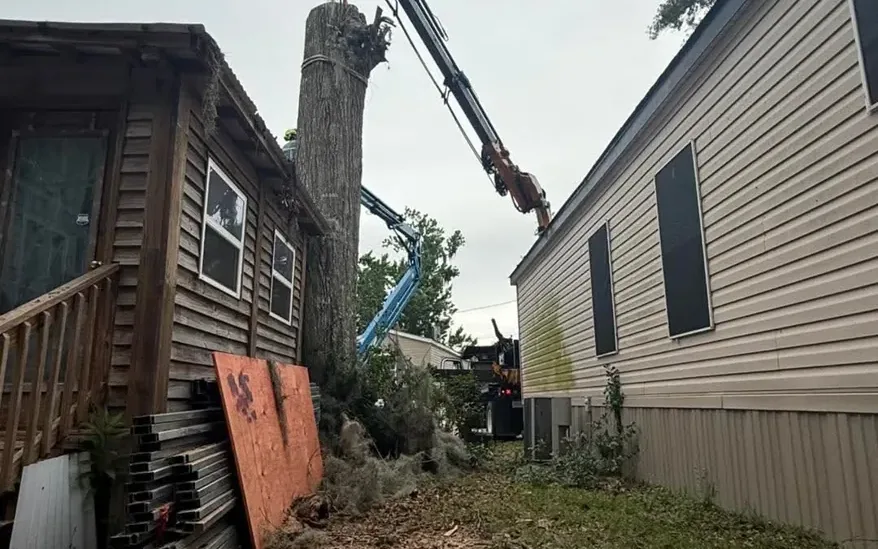
The proposed method should connect cutting, controlled handling and loading. Crane assistance or remote-controlled equipment may be useful on a suitable site, but the machine does not eliminate the need for access and setup review. Ask how the approach fits the tree’s condition and targets. A machine used successfully at another address is not, by itself, a reason to select it for your yard.
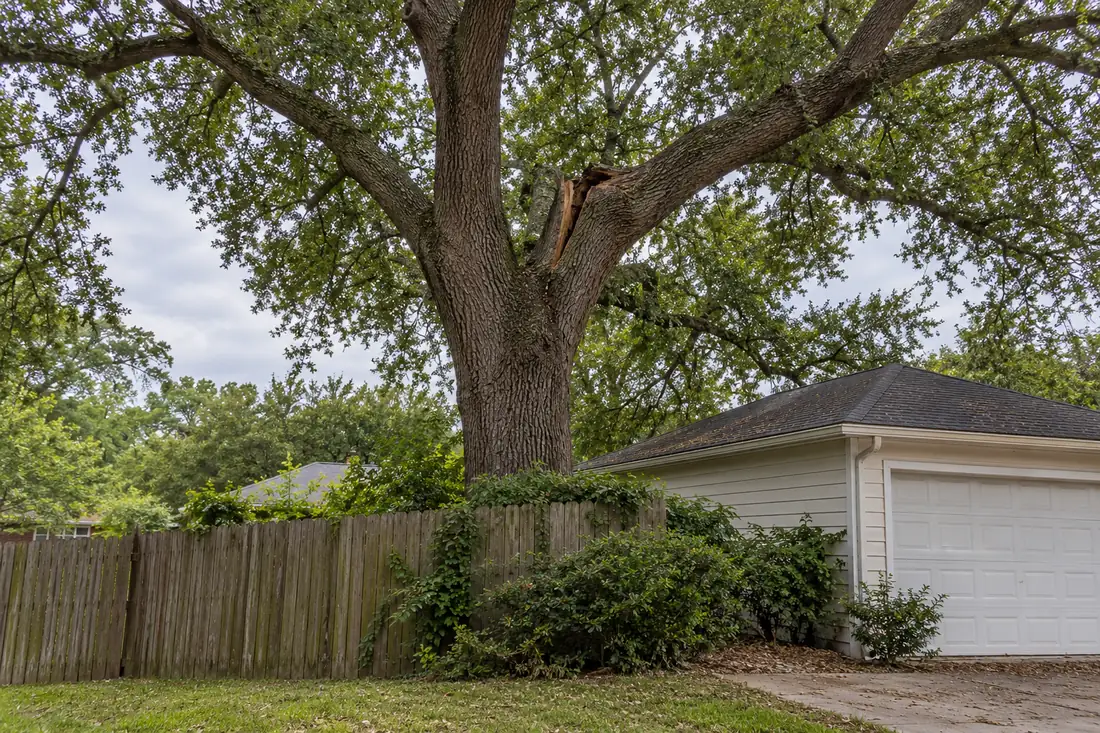
A photograph of the canopy cannot show whether equipment can reach a tree beside a detached garage. Document the narrowest gate, the driveway edge, roof overhangs, utility attachments, low branches and the proposed brush route. A contractor must evaluate those restrictions before choosing an appropriate removal method. Keep vehicles and residents out of the proposed work area once the responsible crew establishes its boundaries.
Ask each bidder whether access openings, ground protection, material staging, hauling and stump work are included. If equipment cannot enter the yard as first anticipated, confirm who may approve a changed method or price before work proceeds. The garage and retained trees should be part of the condition record rather than afterthoughts.
Make the access assumptions explicit
Photograph the route from street to tree in both directions. Include the narrowest opening, the tightest turn, roof overhangs, meters, drainage features and fixed equipment. Explain shared drive use and any entry time restrictions. If another property offers the apparent route, identify the separate authorization required. An accepted tree-work quote does not automatically make every convenient neighboring area available to the crew.
Ground conditions belong in the same conversation. Show fragile paving, known buried features and places that remain soft after rain. Ask what preparation and protection are proposed for the actual method. Do not remove a fence or alter the landscape before the route is reviewed. If a temporary opening is needed, agree on who prepares and reinstates it. A changed route after the estimate should trigger a discussion of the method and scope before mobilization, rather than an improvised substitution on arrival.

Check the route before choosing equipment
A removal conversation should cover more than whether a crew can reach the trunk. Walk the proposed route on the ground from the street, identify the tightest gate or turn, and note roof eaves, soft ground and irrigation. Photograph the whole tree from a safe position and the garage relationship in a separate wide image. The route may need protection or a different handling method, and the estimate should describe those assumptions rather than promising a machine that may not fit. If the garage is part of a later roofing project, agree on the sequence of work and where materials will be staged. The goal is a scope that identifies the tree, what happens to every major section, how debris leaves and what condition the site should be in when the crew finishes.
Plan what happens before the first cut and after the final haul
A removal plan should show more than which trunk is coming down. Before the site visit, identify the tree from two directions, note nearby rooflines, fences, service wires and the usable path from the street. Photograph the base of the trunk and any visible roots or ground features that may affect equipment staging. If a tree is partially over a neighbor's parcel, document that boundary question rather than assuming permission to cross or drop material.
Separately list the work components that can change cost or disruption: aerial dismantling versus ground handling, haul-away, logs left on site, branch chipping, stump grinding, surface protection and cleanup. For narrow properties, ask how the crew proposes to move cut sections without assuming the existing walkway or lawn can bear the same loads as the driveway. The method and safety perimeter belong in the field assessment, not an online guarantee.
Before accepting an estimate, request wording that states what will be removed, what will stay, who handles access approval, and what triggers a revised scope. If a utility, permit, nesting concern or protected tree category is relevant, the responsible party should verify it before work. Record the condition of paving, fences and landscaped edges before arrival, and document the agreed closeout standard. This provides useful comparisons between estimates without inventing a completed project.


Garage-side equipment access
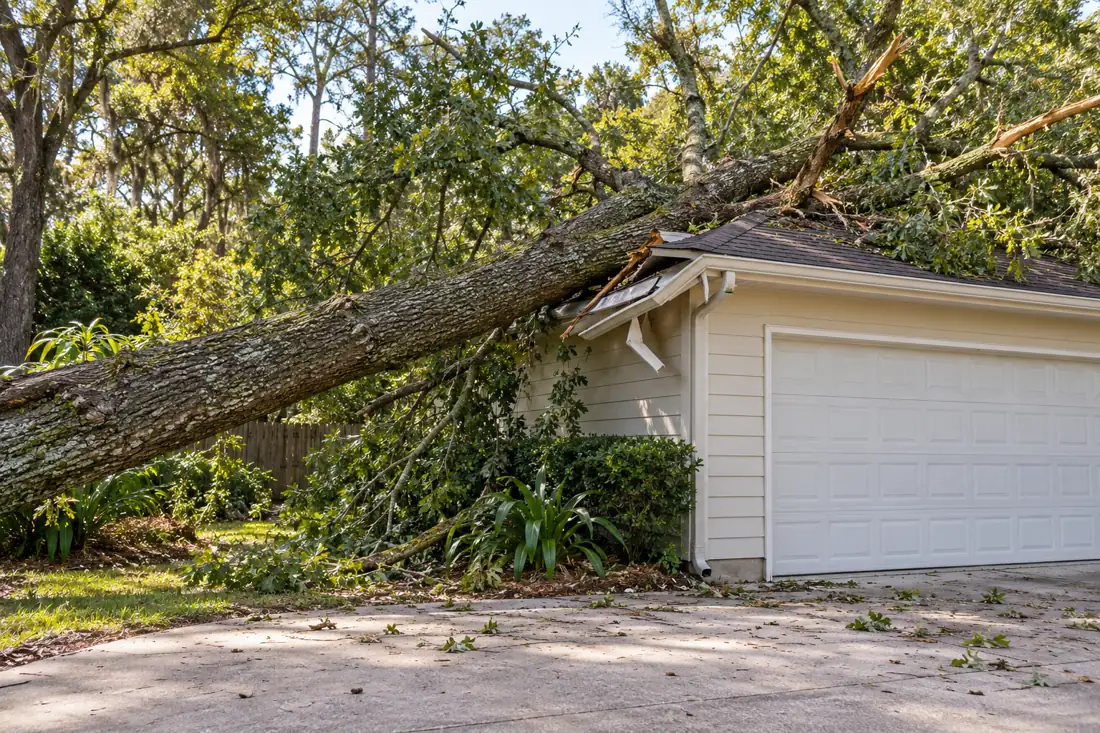
A detached garage and mature trees create distinct access and material-handling questions, even when the tree itself is obvious. Show the route from road to tree, including the tightest gate, corners and any roof overhang. A realistic planning image cannot establish whether a crane or chipper can enter this particular property. Ask bidders to document the actual route, protection measures, loading location and any changes that require separate approval.
Planning example: a pine beside a detached garage
Suppose a homeowner wants a pine removed before replacing the garage roof. The trunk is in the rear lawn, the canopy extends above the garage, and the only ground route passes a narrow side gate. The useful request includes the roof-project date, the whole tree, the garage relationship and the route from the street. It does not start by promising the roofer that the tree will disappear on a particular day or insisting on one machine before access is reviewed.
The proposed scope should identify the pine, the access assumptions, removal and hauling, and the stump decision. If the roofer will store materials in the side drive, that changes the route and needs coordination before either contractor arrives. If the homeowner wants the stump ground for a future bed, say so during estimating.
At completion, check the identified removal, hauled material and accepted finish separately from roof repair. This hypothetical example shows why the next project and the route out belong in the first tree-work conversation, even when the standing tree appears to be the only problem.
Name the targets that need special attention
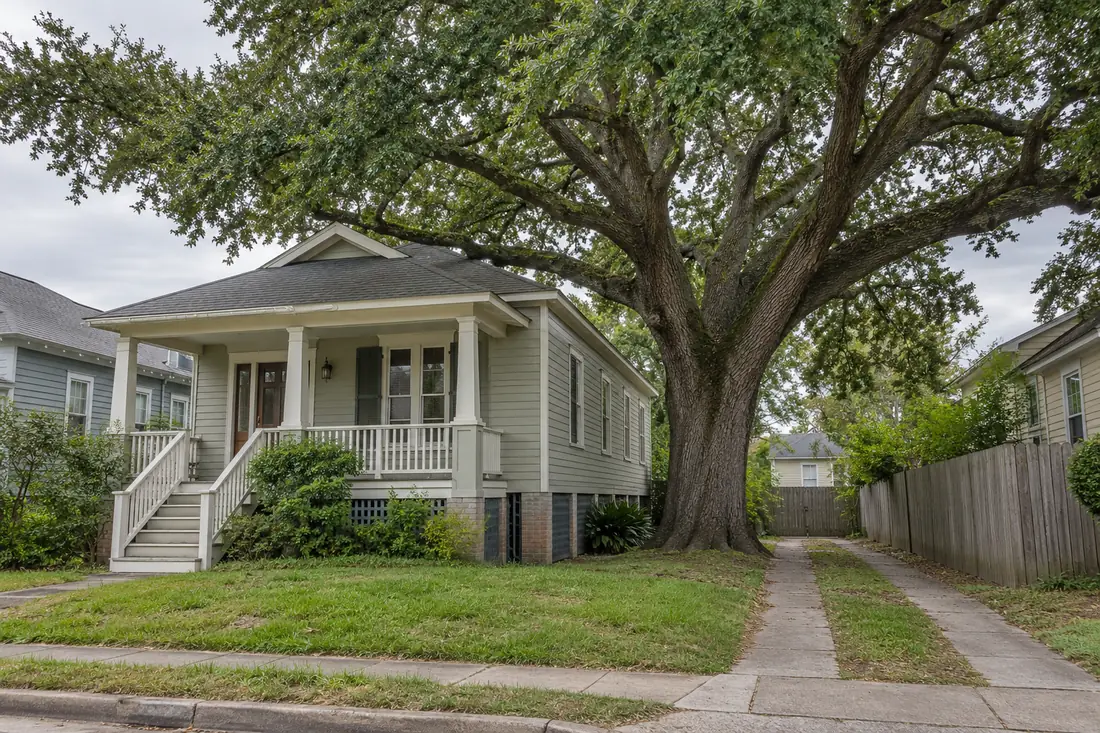
Buildings are only part of the surroundings. Pools, sheds, irrigation, lighting, garden beds and trees to retain can affect how material is handled. Point out fixed features and existing damage, including things hard to see in a wide image. Tell the estimator what can move before work and what must stay. The plan should reflect the site as it will actually be used during the job, not an idealized empty version of the yard.
People and pets also need an access arrangement. Explain the household’s normal entrance and whether another route exists if the side yard closes. At a business, identify deliveries and occupied spaces. For a removal over a structure, the large-tree page provides additional scope context. Do not treat coverings or mats as a guarantee that every target or surface can accommodate the proposed work. The method must still fit the tree and property.
Choose the stump finish before the tree disappears
Tree removal may leave a cut stump unless further treatment is included. Explain the next use of that area: lawn, planting, a fence or a construction project. Stump grinding can address a visible obstruction, but it differs from complete root excavation or structural preparation. If another contractor has requirements for the next stage, share them while the tree scope is still being developed.
Clarify chip handling, backfill, grading and any replacement landscape. These can materially change the handoff even when the removal task is identical. Keep useful wood, grindings and small debris as separate decisions where needed. A price described as removal and cleanup should not require the customer to guess whether the result is a low stump, a ground area full of chips or a space ready for another trade. Written finish details make estimates easier to compare and completion easier to inspect.
Compare scope before comparing totals
Ask each estimator to identify the same trees and objectives. Check hauling, stump work, access preparation, protection assumptions and exclusions. A lower price may describe less work rather than a more efficient way to complete the same task. If an item matters to your decision, request a clarification before scheduling instead of relying on an informal phrase such as everything included.
For several trees, keep a marked list that connects the proposal to the property. Separate current authorization from optional future tasks. Name the person who can approve a change if conditions differ during the work. That record is useful even on a small home project; it becomes more important when an owner is absent, a property manager handles access or a different contractor will perform the following restoration. The scope should remain understandable to someone who did not attend the original walkthrough.
Prepare the request and the completion check together
Send the address, safe wide views, access photographs and the reason for considering removal. Include your desired finish and any timing constraint. For a newly dangerous condition, call about current availability and keep clear of the affected area. An online estimate request does not itself confirm a work date or emergency dispatch. Wires or immediate threats require the appropriate emergency or utility contact.
At completion, use the accepted tree identifiers and finish notes to review what was done. Identify intentionally retained material and any unresolved item with a location and contact. Save the scope and invoice with useful photographs. The linked guides below explore specific removal situations, while the tree-removal service page leads to the project conversation. A clear request and a clear completion check are two ends of the same practical plan.
Tree Removal Planning questions
Should I request an assessment or a removal estimate?
State which question you need answered. Pricing a decided removal and evaluating whether a tree should remain can require different review and documentation.
What photos identify a removal tree clearly?
Show the whole crown, base, nearby structures and a marked trunk if trees overlap. Add fixed landmarks and only photograph from safe authorized positions.
Does the largest machine always provide the best method?
No. Reach, setup, ground support, tree condition and material handling must fit the property. Equipment choice follows the actual site review.
Why does the route out affect removal?
Sections need handling and loading after cutting. Gates, carrying distance, turns and truck access can change the practical scope substantially.
Should I open a fence before the estimate?
Wait for the route assessment. If an opening is needed, agree on its authorization, preparation and reinstatement before changing the fence.
Can removal preserve another tree beside it?
Identify retained trees and root zones in the scope discussion. Access and handling should account for what is staying as well as what is removed.
Is stump grinding part of every removal?
Only when stated. Define the stump task, chip handling and expected surface separately from removing and hauling the standing tree.
Will grinding prepare a new foundation?
Not automatically. Share the construction plan and coordinate with the relevant contractor. Grinding and structural excavation are different tasks.
Can I keep the logs?
Discuss suitable quantities, handling and a storage location before pricing. The scope should state what remains and what will be hauled away.
How should two removal quotes be compared?
Match the trees, work objective, handling, access, hauling, stump treatment and finish. Clarify exclusions before comparing the final totals.
What if the tree changes before work?
Report a new failure, split, lean or access change promptly. Keep clear; the assessment, urgency or work method may need review.
Does the estimate form schedule removal?
No. It starts communication about the site, scope and availability. A price, work date or emergency response requires direct confirmation.
Prepare a tree removal scope around the real site
Identify which tree is being considered, the reason for removal, and the nearby structures, gates, fences, driveways, lines and landscaping that could affect the approach. Include safely taken photos of the full tree and the access route if available. Clarify whether the requested finish includes logs, debris, stump grinding or restoration. An estimate inquiry starts a scope review, not an approval to remove a protected or neighboring tree.